

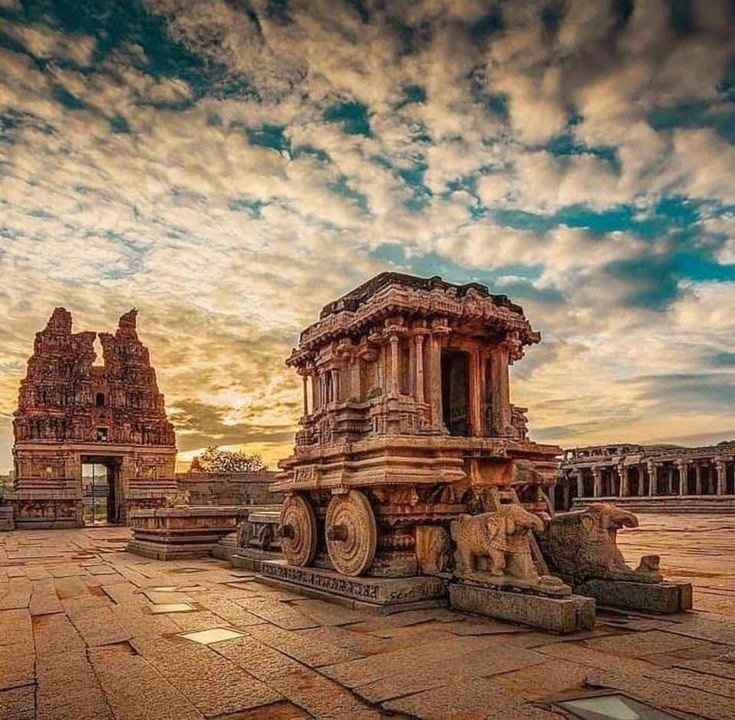
Hello Folks! Welcome to Hampi, a place where stones don’t just stand still—they speak. Scattered across this dramatic landscape of boulders and ruins is the magnificent Vijayanagara Temple Carving Style, a true celebration of art, power, and devotion.
As you walk through Hampi, Karnataka, every pillar, wall, and mandapa pulls you into a visual conversation filled with stories of gods, dancers, warriors, and everyday life. These carvings are bold, detailed, and full of movement, reflecting the grandeur of the Vijayanagara Empire at its peak.
This blog will take you through the artistic soul of Hampi’s temples, helping you notice the details you might otherwise walk past. Let’s decode the stone stories together.
Historical Background of Hampi’s Vijayanagara Art
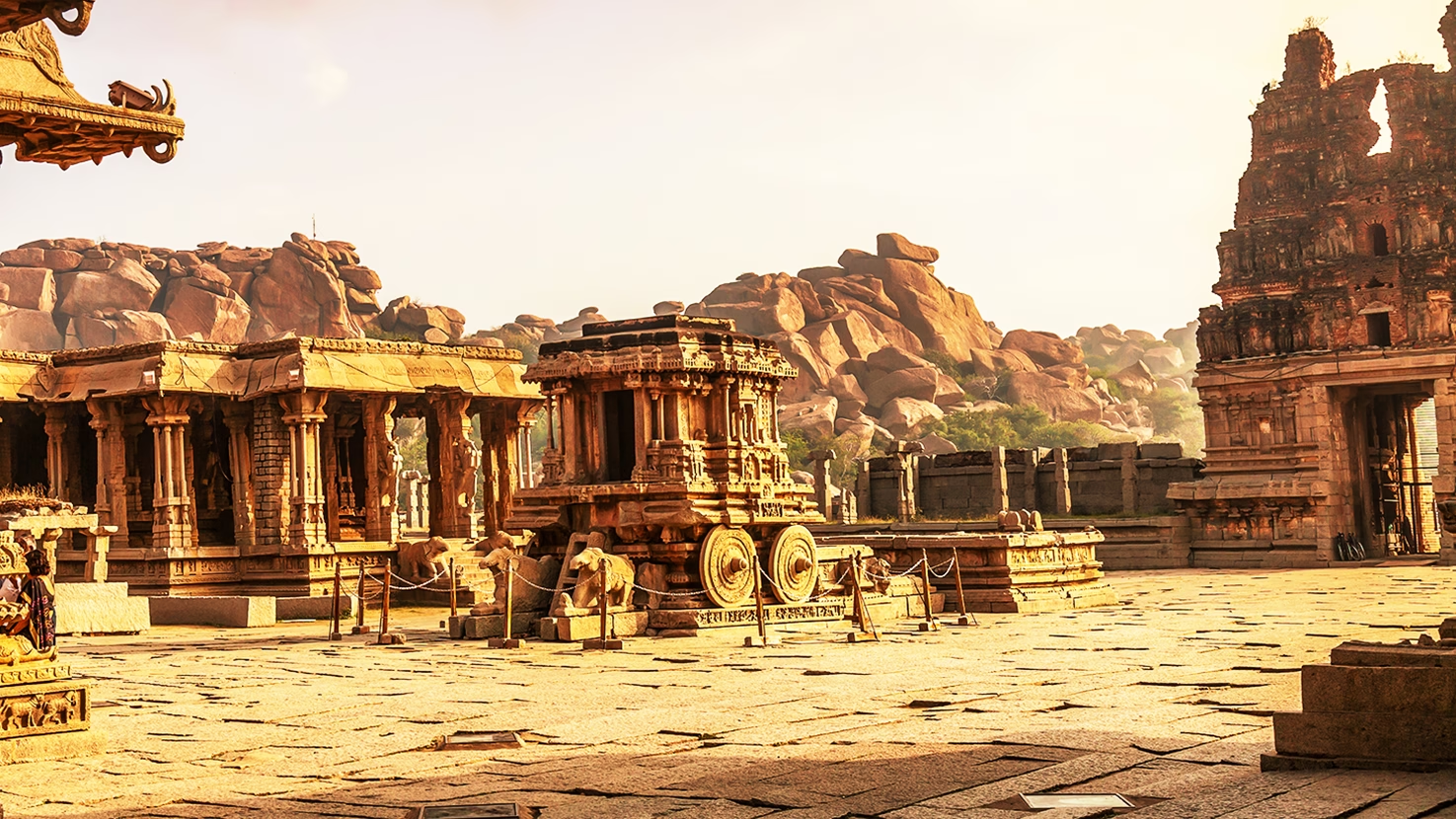
Let’s travel back in time—step by step—and see how Hampi became the heart of the iconic Vijayanagara Temple carving tradition. Here’s the story, told like a conversation through history
- 1336 CE – The Beginning
The Vijayanagara Empire was founded by Harihara I and Bukka Raya I.
Temple building began as a way to show power, faith, and cultural pride.
Early carvings were simple but strong in form. - 14th–15th Century – Growth Phase
Hampi became the royal capital.
Stone temples evolved with detailed pillars, yali figures, and narrative panels.
The Vijayanagara Temple style focused on scale, symmetry, and storytelling. - Reign of Krishnadevaraya (1509–1529)
This was the golden age of Vijayanagara art.
Temples like Vittala and Hazara Rama showcased highly refined carvings.
Sculptures depicted gods, dancers, musicians, and scenes from epics. - Mid-16th Century – Peak Artistic Expression
Carvings became bold, dramatic, and deeply ornamental.
Art blended devotion with royal propaganda. - 1565 CE – After the Battle of Talikota
The empire declined, but the stone carvings survived.
Today, they stand as silent storytellers of Vijayanagara glory.
In short, every Vijayanagara Temple carving in Hampi is history frozen in stone—inviting us to listen, observe, and admire.
Artistic Details of Vijayanagara Temple Sculptures
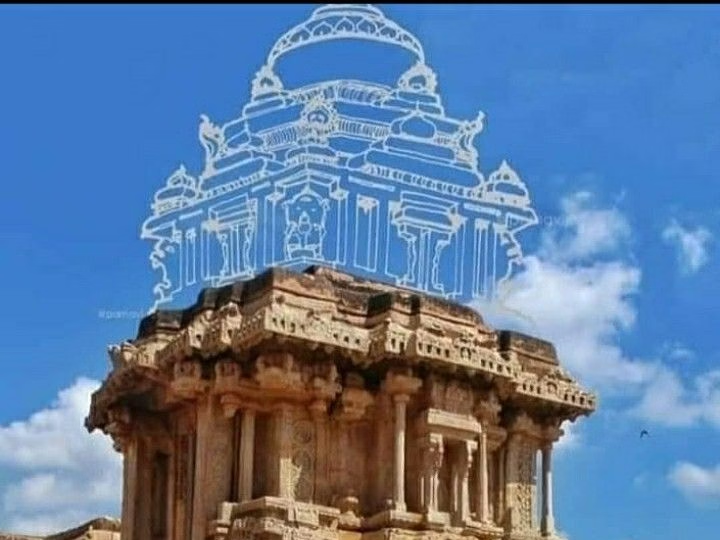
When you walk through Hampi, the first thing that grabs your attention is not just the massive ruins—it’s the storytelling carved into stone. The Vijayanagara Temple sculptures don’t sit quietly; they speak, perform, and almost move with you.
Key Artistic Highlights You’ll Notice Instantly:
- Dynamic Human Figures
Sculptures show dancers mid-step, warriors charging forward, and musicians lost in rhythm. Unlike rigid temple art, Vijayanagara carvings feel alive and expressive. - Mythology in Motion
Episodes from the Ramayana, Mahabharata, and Bhagavata Purana are carved like visual comic strips. You don’t need a guide—just follow the panels. - Yali and Animal Sculptures
The famous Yali (mythical lion) carvings dominate pillars. Horses, elephants, and lions symbolize royal power and protection in Vijayanagara Temple art. - Musical Pillars Magic
Some stone pillars produce musical notes when tapped lightly. Yes, real sound from solid granite—proof of advanced craftsmanship. - Everyday Life Carved in Stone
Market scenes, women carrying pots, royal processions—these carvings quietly document daily life during the Vijayanagara Empire. - Highly Detailed Ornamentation
Jewelry, clothing folds, hairstyles, and facial expressions are carved with microscopic precision, showing the sculptors’ mastery. - Granite with Grace
Working with hard granite, artisans achieved softness and depth—a signature feature of the Vijayanagara Temple carving style.
Why These Sculptures Feel Different
- They blend religion, royalty, and realism seamlessly.
- Art here isn’t just devotional—it’s celebratory.
- Every pillar feels like a paused performance.
In Simple Words
The Vijayanagara Temple sculptures of Hampi are not just art—they are frozen conversations from a glorious past, waiting for you to listen, observe, and admire.
Architectural Framework Supporting Temple Carvings
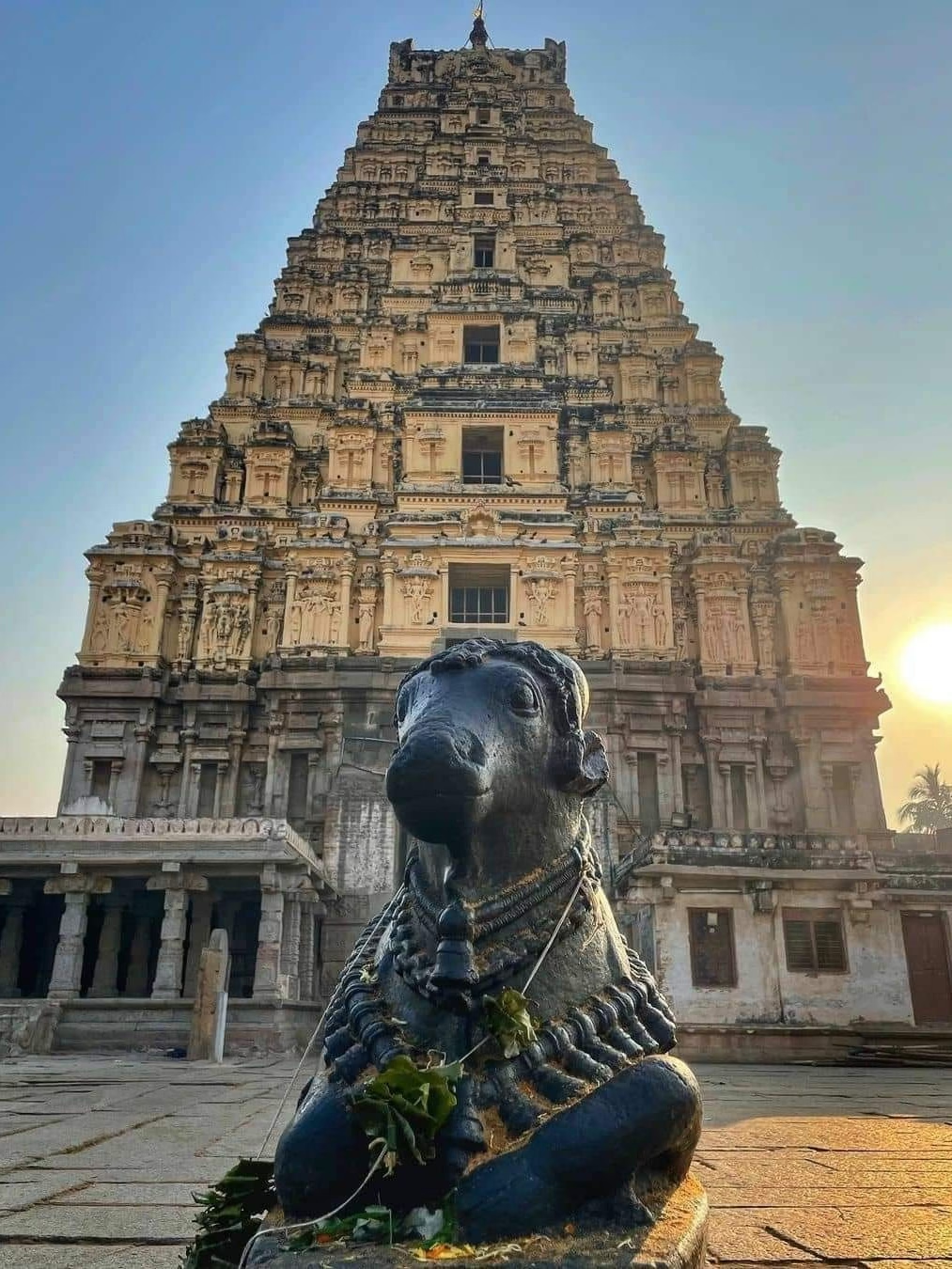
Let’s talk about how the architecture of Hampi actually makes Vijayanagara Temple carvings shine, not just exist.
- The Vijayanagara Temple layout is bold and spacious. Large courtyards, wide mandapas, and towering gateways give sculptors a massive canvas to work on.
- Granite stone is the main material. Tough to carve, yes—but that’s why the detailing feels powerful and long-lasting.
- The mandapas (pillared halls) are the real showstoppers. Every pillar is designed as a storytelling surface, packed with gods, dancers, warriors, and mythical creatures.
- Open-pillared halls allow natural light to hit the carvings from different angles. This creates shadows that enhance depth and drama.
- The raised platforms (adhishthana) act like visual bases, filled with horizontal carvings of animals, floral bands, and battle scenes.
- Gopurams (entrance towers) are architecturally tall and layered, guiding the eye upward while supporting narrative sculpture panels.
- Architecture and sculpture work together. Walls are never plain; they’re planned to hold meaning, movement, and myth.
- This thoughtful framework ensures carvings are not decorative extras, but an essential voice of Vijayanagara Temple design.
In short, at Hampi, architecture doesn’t compete with carvings—it sets them up to speak loud and clear.
Facts and Myths Associated with Hampi Carvings
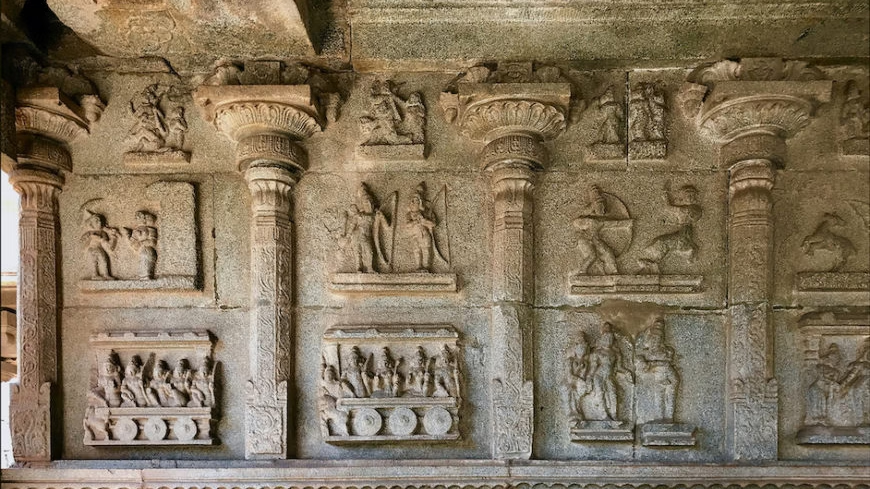
Let’s talk about Hampi carvings—not in textbook mode, but like curious travellers standing inside a Vijayanagara Temple, pointing at stones and asking, “Is this real or just a legend?” 😄
Facts You’ll Love Knowing
- Fact: The carvings are not random decorations.
Every sculpture in a Vijayanagara Temple follows a planned theme—religion, royal power, daily life, and cosmic order. - Fact: Musical pillars are real, not exaggerated.
When gently tapped, some stone pillars produce musical notes. The craftsmen of Hampi understood sound science centuries ago. - Fact: Animals tell stories too.
Elephants, horses, and mythical creatures symbolise strength, protection, and royal authority of the Vijayanagara Empire. - Fact: Everyday life is carved in stone.
Dancers, musicians, market scenes, and festivals appear frequently, showing that art celebrated common people, not just gods. - Fact: Precision tools existed.
The detailing in jewellery, facial expressions, and textiles proves advanced carving techniques in Vijayanagara Temple workshops.
Myths That Still Spark Curiosity
- Myth: The stones were carved overnight by divine forces.
Sounds magical, but in reality, skilled artisans worked for years under royal patronage. - Myth: Musical pillars were created by magic spells.
Truth is more impressive—perfect stone selection, hollowing techniques, and acoustic knowledge. - Myth: Every sculpture hides secret treasure.
While hidden chambers exist, carvings mainly served symbolic and ritual purposes, not treasure maps. - Myth: All carvings follow one religious idea.
Actually, Vijayanagara Temple carvings blend Shaivism, Vaishnavism, folk beliefs, and royal imagery.
Why These Stories Matter
- They keep Hampi alive beyond ruins.
- They turn silent stone into storytelling art.
- They make every Vijayanagara Temple visit interactive, curious, and unforgettable.
Hidden Details and Lesser-Known Sculptural Elements
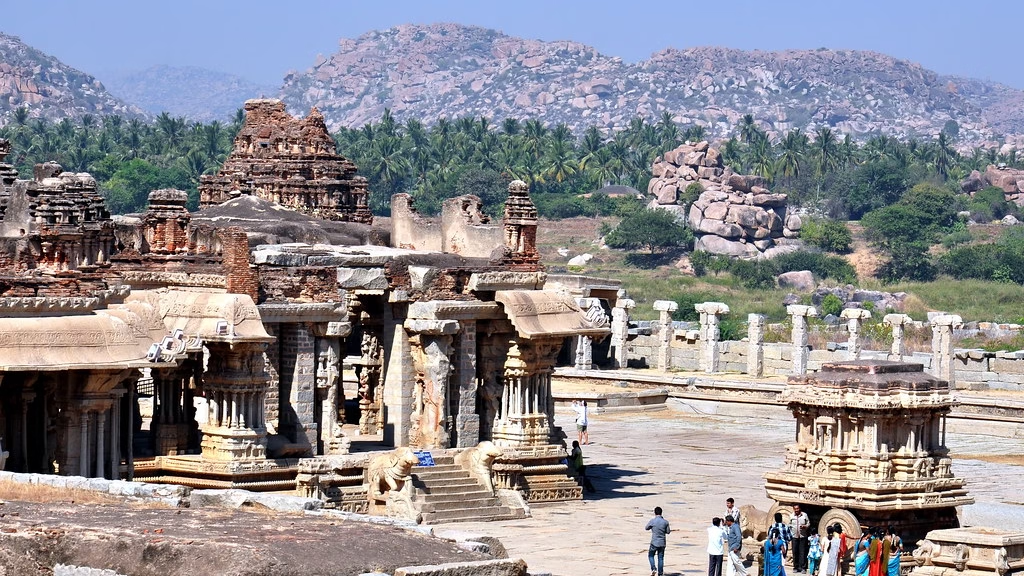
Vijayanagara Temple Carving Style – Hampi, Karnataka
Let’s slow down and really look at Hampi. Beyond the grand pillars and iconic stone chariots, the Vijayanagara Temple carvings hide playful, symbolic, and surprisingly human details. Here’s what most visitors miss 👇
- Miniature life scenes carved in corners
Look closely at pillar bases. You’ll spot wrestlers, traders, musicians, and farmers. These everyday moments quietly record daily life during the Vijayanagara Empire. - Secret humor in stone
Some carvings show exaggerated facial expressions, teasing couples, or animals in funny poses. Yes, temple artists had a sense of humor. - Musical pillars with visual rhythm
In temples like Vittala, carvings visually mimic musical flow. Dancers, drummers, and instruments are arranged like a frozen performance. - Hybrid mythical creatures
Ever noticed lion-elephant hybrids or horse-bodied warriors? These symbolize royal power, speed, and divine protection—classic Vijayanagara Temple symbolism. - Narratives carved like comic strips
Stories from the Ramayana and Mahabharata unfold panel by panel. Each carving acts like a frame, guiding the viewer through the tale. - Hidden celestial beings
Look above eye level. Tiny apsaras, gandharvas, and flying figures float quietly near ceilings and cornices. - Unfinished carvings tell real stories
Some sculptures remain half-done. Instead of flaws, they reveal working techniques and sudden historical interruptions. - Directional symbolism
Certain carvings face sunrise or sacred routes. Placement mattered as much as beauty in the Vijayanagara Temple layout.
These hidden details transform Hampi from a ruin into a conversation across centuries. Once you notice them, every stone starts talking back.
Itinerary for Exploring Carved Temples of Hampi
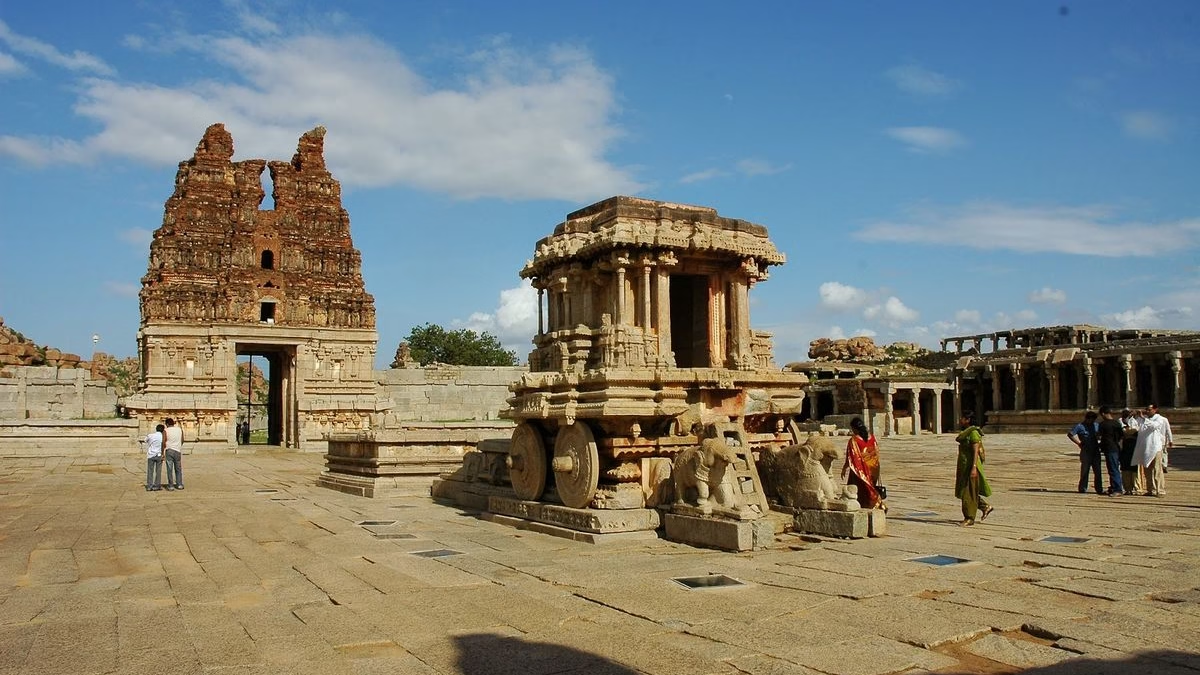
- Start your day early at Virupaksha Temple
This is the heart of Hampi and a perfect introduction to the Vijayanagara Temple carving style.
Walk slowly. Look up. The pillars and wall panels narrate stories from the Ramayana and Shiva legends.
Morning light highlights the stone details beautifully. - Move to the iconic Vittala Temple complex
Take your time here—it’s a masterpiece of Vijayanagara craftsmanship.
Focus on the musical pillars, horse-drawn chariot carvings, and mythological reliefs.
Every corner feels like a sculpted textbook of temple art. - Explore Hazara Rama Temple next
This one is smaller but incredibly detailed.
The continuous friezes show royal processions, war scenes, and epic tales.
It gives a clear glimpse of how Vijayanagara Temple carvings blended devotion with daily life. - Post-lunch, head towards Achyutaraya Temple
Less crowded, more peaceful.
Observe floral motifs, yali figures, and finely carved columns.
This is where hidden details really stand out. - End your day at Hemakuta Hill temples
Perfect for sunset.
The simpler carvings here contrast beautifully with grand temples.
It’s a calm way to reflect on the artistic legacy of the Vijayanagara Temple tradition.
The Bottom Lines
The Vijayanagara Temple carving style of Hampi is not just about stone figures and grand pillars—it’s about stories frozen in time. Every sculpture, from divine deities to playful dancers and mythical creatures, reflects the confidence, devotion, and artistic brilliance of the Vijayanagara Empire.
Walking through these temples feels like having a quiet conversation with history, where every carving whispers tales of faith, power, and daily life.
Even today, the legacy of the Vijayanagara Temple carvings continues to inspire architects, artists, and curious travelers. Hampi reminds us that art was once a language of expression, pride, and belief. These temples don’t demand attention—they earn it, one carved stone at a time.
Punch line: “Stone stories that still love talking.”
Also read: Khajuraho Erotic Sculptures – Madhya Pradesh

Leave a Reply