

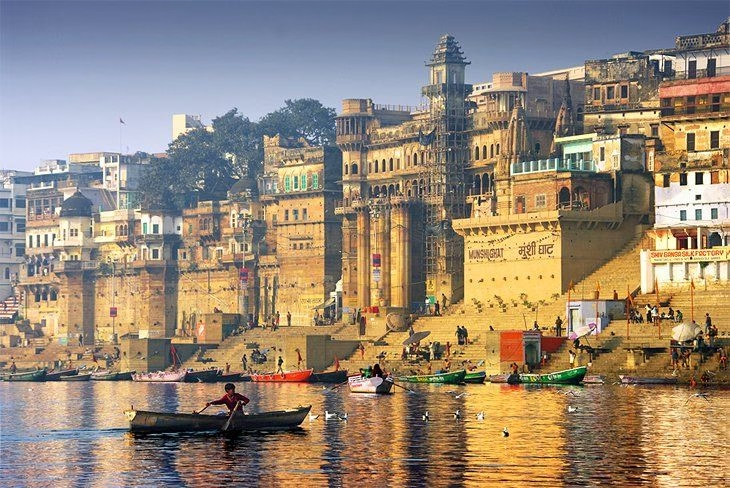
Varanasi does not open up at first glance.
It draws you in slowly. Through lanes that twist, narrow, and suddenly breathe into ghats, temples, and courtyards.
At first, the crowds feel overwhelming. Over 6 million residents share space with nearly 7 million visitors every year. On peak days, especially during festivals, footfall can cross 1 million in a single stretch of the old city. The question feels obvious. Is the architecture to blame?
Yet, Varanasi architecture was never meant for speed. It was designed for pause. Homes stacked close for shade. Alleys shaped to carry sound, not traffic. Buildings aligned with rituals, seasons, and the river’s rhythm.
More than 80% of the old city still follows its historic urban layout. Very little has changed in centuries. And that is precisely its power.
What looks like congestion today was once community planning. What feels chaotic now was once deeply intentional.
So, is Varanasi overcrowded by poor design? Or are we witnessing a living artwork struggling to survive modern pressure? Let’s explore today in this write-up!
Understanding Varanasi Architecture: A Living Legacy Along the Ganges
Varanasi does not behave like a modern city, and it never tried to. Its architecture was not drawn on planning sheets or designed for traffic flow. It grew slowly, shaped by faith, daily rituals, and an unbroken relationship with the River Ganges. This is why Varanasi architecture feels lived-in rather than constructed.
The city rises organically from the riverbank. Ghats lead to temples. Temples lead to homes. Homes lead into lanes that seem confusing at first but follow an internal logic shaped over centuries. Every turn has a purpose, even if it is not immediately visible.
How History and Faith Shaped the Built Form
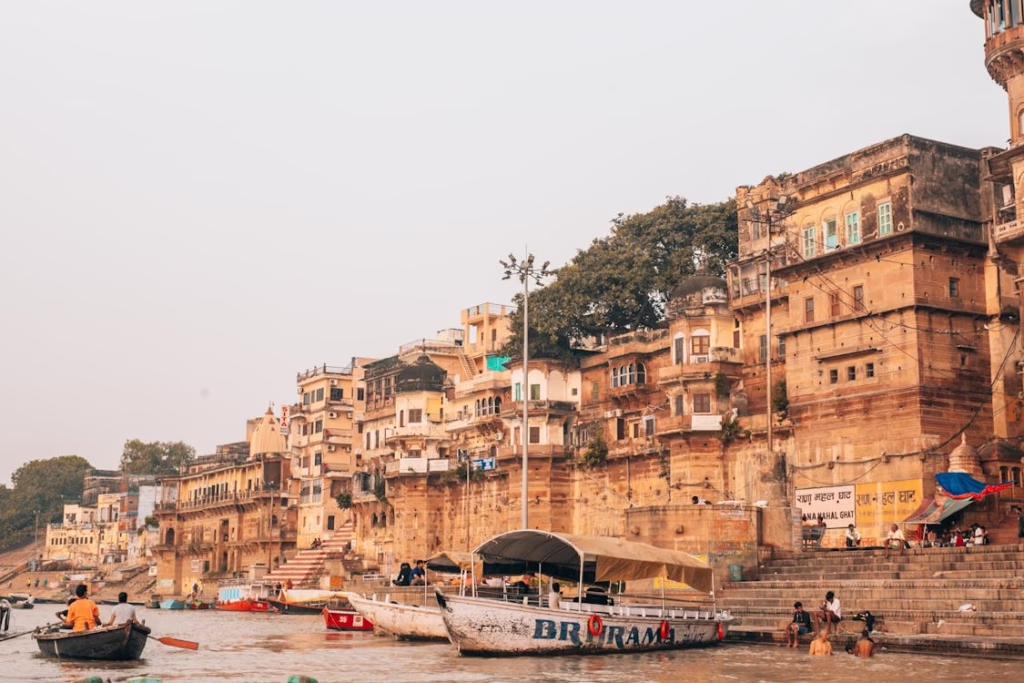
Unlike planned cities, Varanasi expanded through human movement. Pilgrims arrived. Priests settled. Traders followed. Architecture adjusted without erasing what already existed.
Several elements define this growth:
- Sacred orientation
Most major structures face the Ganges. The river determines alignment, not roads. - Compact housing patterns
Buildings were placed close to reduce heat, encourage community living, and support shared rituals. - Layered construction
New structures were built over older ones, preserving history rather than replacing it.
This is why Varanasi architecture feels dense yet meaningful, crowded yet intentional.
A Timeline of Varanasi’s Architectural Journey
- c. 1500–1200 BCE: Earliest Settlements
Varanasi emerges as one of the oldest continuously inhabited cities. Early communities cluster along the River Ganga, using water for trade, rituals, and daily life. These settlements lay the foundation for the city’s heritage architecture.
- 6th century BCE: Spiritual Hub
The city becomes a center for learning and pilgrimage. Its sacred spaces and riverfront steps influence the layout of streets and early Ganga ghats, blending function with devotion.
- 8th–12th century: Temple Expansion
Temples multiply, shaping narrow lanes and guiding pilgrim movement. Places like Dashashwamedh Ghat and Manikarnika Ghat reflect how ritual life dictates urban design.
- 14th–18th century: Ghats and Monuments
Over 80 ghats are constructed, including Ganga Mahal Ghat, under Maratha and regional patrons. Palaces and forts like Ramnagar Fort add to the city’s cultural heritage.
- 21st century: Revitalisation & Tourism
Projects like the Shri Kashi Vishwanath Corridor improve access while preserving history. Varanasi welcomes over 72.6 million tourists in 2025, cementing its place as a global cultural tourism hub.
The Shri Kashi Vishwanath Corridor: Architectural Revival Meets Crowd Management
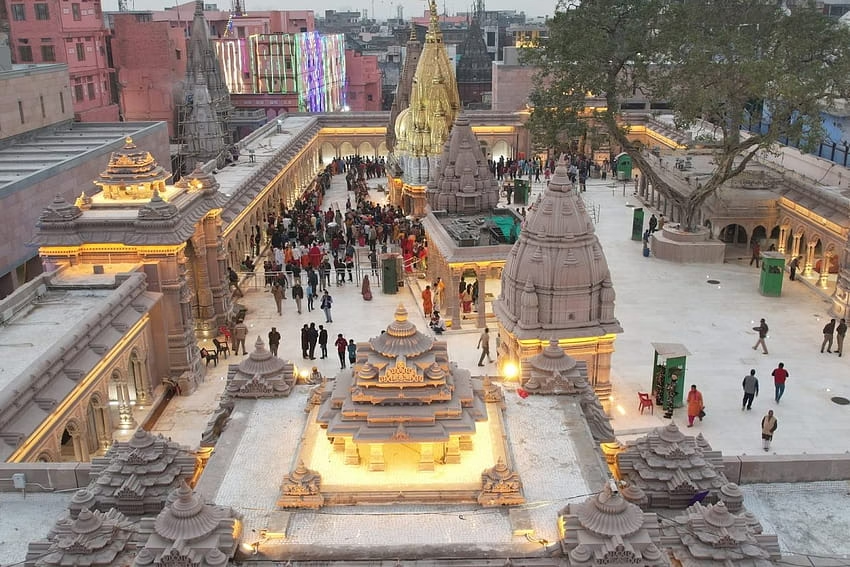
The Shri Kashi Vishwanath Corridor is more than a pathway—it is a blend of devotion, art, and urban design. Completed in the 21st century, the project reconnects the historic Kashi
Vishwanath Temple directly to the Ganga ghats, improving visitor movement while celebrating centuries-old heritage architecture.
Artistic and Architectural Highlights
- Intricate Wall Carvings
The corridor walls feature carvings of deities, mythological scenes, and floral motifs. Each panel tells a story from Hindu scriptures, inviting pilgrims to reflect on faith while walking. - Vibrant Colour Palette
Soft golden sandstone, ochre tones, and natural stone textures create a warm, spiritual ambience. Lighting accentuates carvings and guides the eye toward the temple spire. - Spiritual Design Elements
The corridor is aligned along ritual axes. Sacred symbols like lotus motifs, Om inscriptions, and divine footprints are etched along pathways, reinforcing devotion at every step. - Enhanced Visitor Flow
Wide walkways and open plazas manage crowds efficiently. Over 50,000 pilgrims daily can move comfortably during festivals, without compromising the serene, spiritual experience. - Integration with Ghats
The corridor offers unobstructed views of Dashashwamedh Ghat and the Ganges, connecting spiritual practice with natural beauty.
The Shri Kashi Vishwanath Corridor is a masterpiece where art, architecture, and crowd management coexist, making it a living symbol of Varanasi’s timeless charm.
Ghats and Temples: Where Art, Ritual, and Life Meet
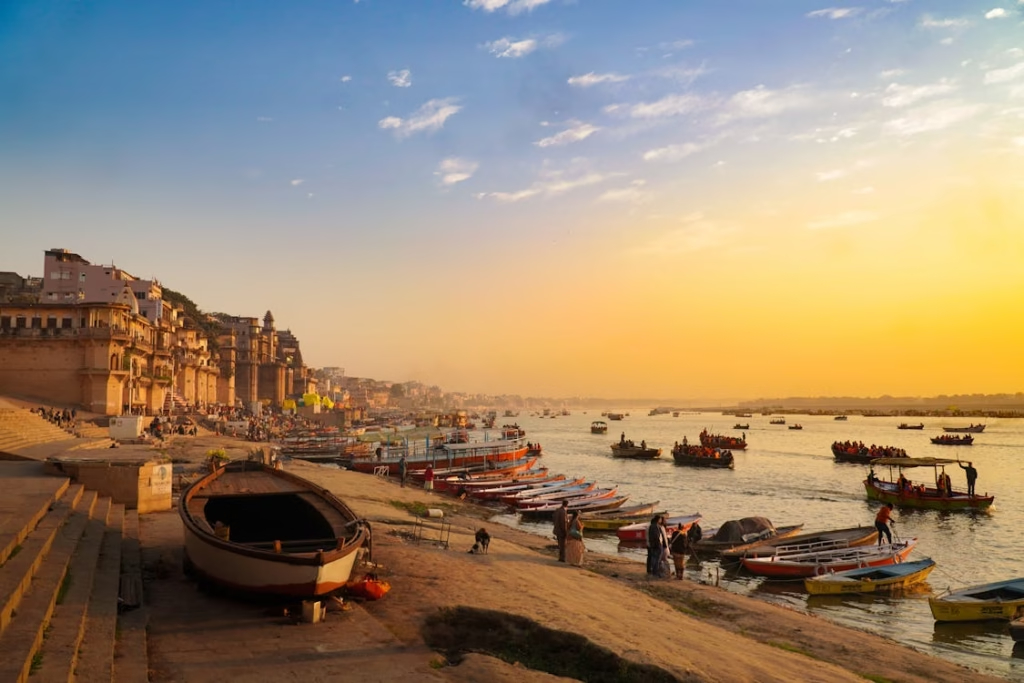
Varanasi’s ghats and temples are not just functional spaces—they are living canvases of art, devotion, and history. Stretching along the River Ganga, they showcase the city’s heritage architecture while hosting daily rituals and festivals.
Artistic and Spiritual Highlights
- Stone Steps and Terraces
Ghats like Dashashwamedh, Manikarnika, and Assi feature wide stone steps with carved balustrades. These steps guide pilgrims to the river while offering spaces for meditation, chanting, and rituals. - Temple Spires and Domes
Kashi Vishwanath, Annapurna, and other temples rise with gilded spires, domes, and intricately carved pillars. Designs often depict mythological tales, gods, and sacred symbols, blending spiritual meaning with aesthetic beauty. - Wall and Pillar Carvings
Elaborate motifs include lotus flowers, geometric patterns, and divine figures. Each carving tells a story, connecting visitors to centuries-old Hindu traditions. - Vibrant Colours and Textures
Ochre, sandstone, and marble combine with natural light to create a spiritual ambience. Morning sunlight on the ghats highlights carvings, while evening lamps cast a warm glow on the riverfront. - Ritual Flow and Community Life
Ghats support 50,000+ daily visitors. Activities like prayer, bathing, cremation, and music performances create a continuous rhythm of devotion and cultural life.
Varanasi’s ghats and temples are living masterpieces where art, architecture, and spirituality meet in perfect harmony.
Timeline of Varanasi’s Famous Folk Art Traditions
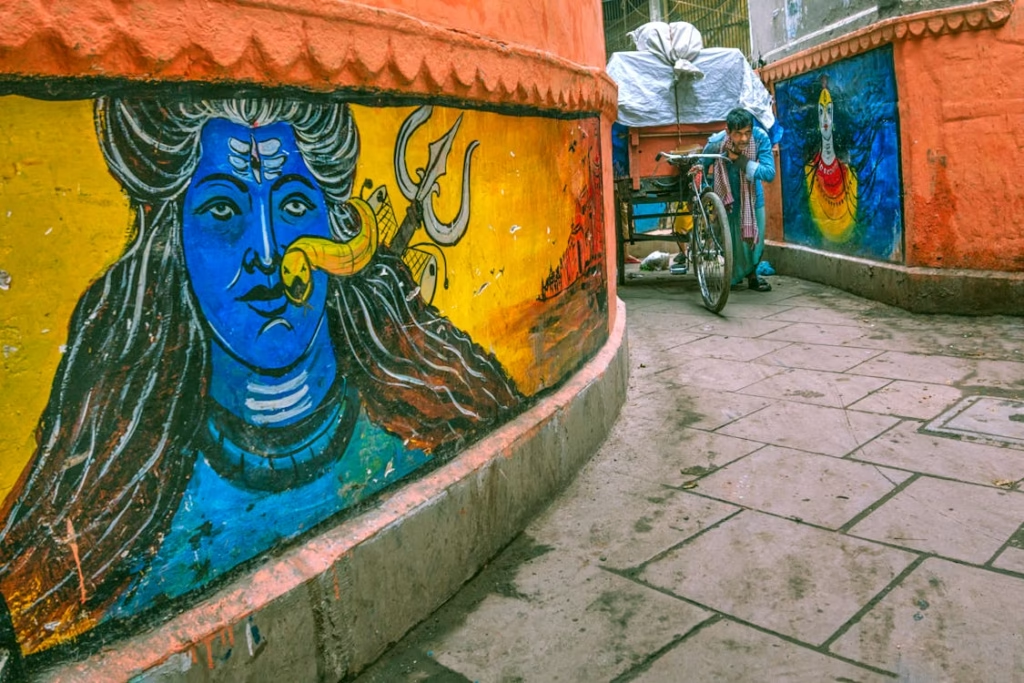
c. 1200 – 1500 CE: Banarasi Silk Weaving Emerges
The iconic Banarasi silk sarees originate during this period. Skilled weavers craft intricate floral and paisley motifs inspired by temple carvings and Mughal patterns. This art form combines practicality with beauty, creating textiles that are world-famous for craftsmanship and detail.
16th–18th Century: Miniature Painting Flourishes
Local artisans begin painting miniature depictions of gods, ghats, and rituals. Using natural dyes and fine brushes, they preserve mythological stories on paper, cloth, and temple walls. These artworks often complement the architecture of temples and palaces, bridging devotion with artistry.
18th–19th Century: Wood and Stone Carving Traditions Expand
Intricate carvings on temple doors, balconies, and pillars reach artistic maturity. Craftsmen use motifs like lotus flowers, elephants, and divine figures. Many of these carvings survive today, forming a crucial part of Varanasi’s heritage architecture.
19th–20th century: Terracotta and Brass Folk Crafts
Local artisans craft idols, lamps, and ritual objects in terracotta, brass, and copper, integrating folk symbols with daily devotional life. These crafts are found across ghats, temples, and residential courtyards.
21st century: Preservation and Revival of Folk Art
Efforts now focus on preserving traditional crafts and supporting artisans through exhibitions, fairs, and tourism. Workshops in weaving, painting, and carving continue to pass Varanasi folk art to new generations, keeping the city’s cultural heritage alive.
Is Varanasi Architecture Fueling the City’s Overcrowding or Its Timeless Charm?
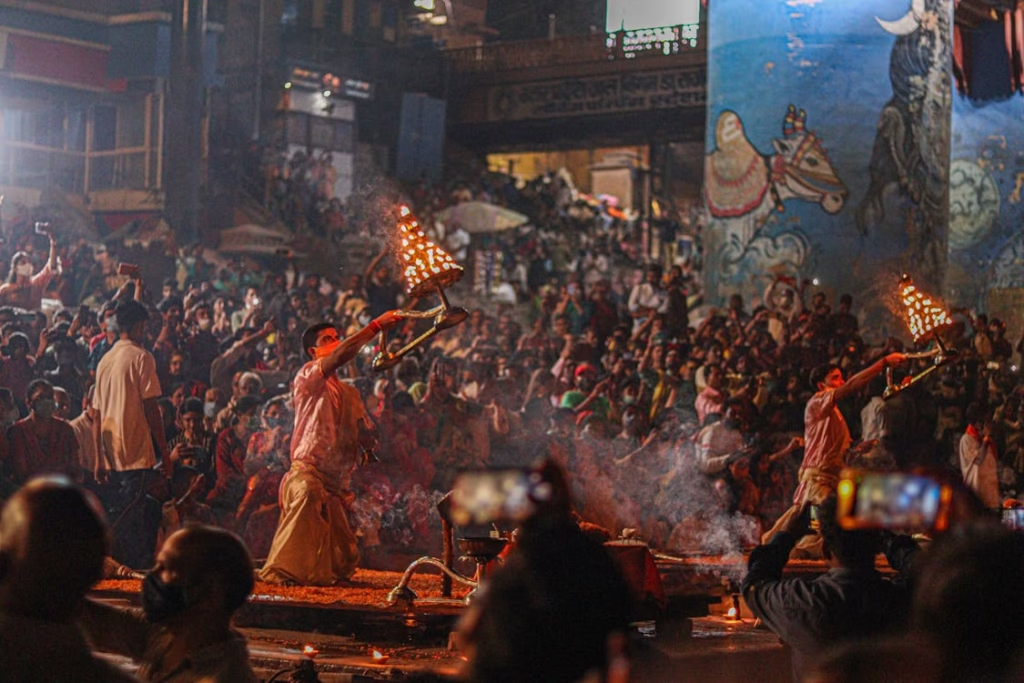
So here’s the thing. After walking through centuries of history, gazing at intricately carved temples, climbing layered ghats, and soaking in vibrant folk art, you’d think we’d have an answer, right? Yet, somehow, the question stays the same.
Yes, Varanasi can feel crowded. Really crowded. Narrow lanes, stacked houses, and over 1 million visitors during festivals can make even locals pause. Modern traffic struggles to keep up, and at times, it seems chaos rules.
But here’s the twist—the same “crowding” is part of the city’s heartbeat. Every carved doorway, every spire, every step along the Ganga ghats tells a story. The architecture invites you in, encourages reflection, and connects you to centuries of culture, devotion, and art.
So, even after knowing all its history and charm, we still ask: is it too crowded, or is this the magic? Maybe the answer is simple—Varanasi’s beauty is in living, breathing, and yes, wonderfully packed chaos.
Also Read:
Dhokra Art: Tribal Alluring Metalwork from Eastern India
Bastar Iron Craft: Tribal Blacksmithing Inspiring Minimalist Sculptures

Leave a Reply