

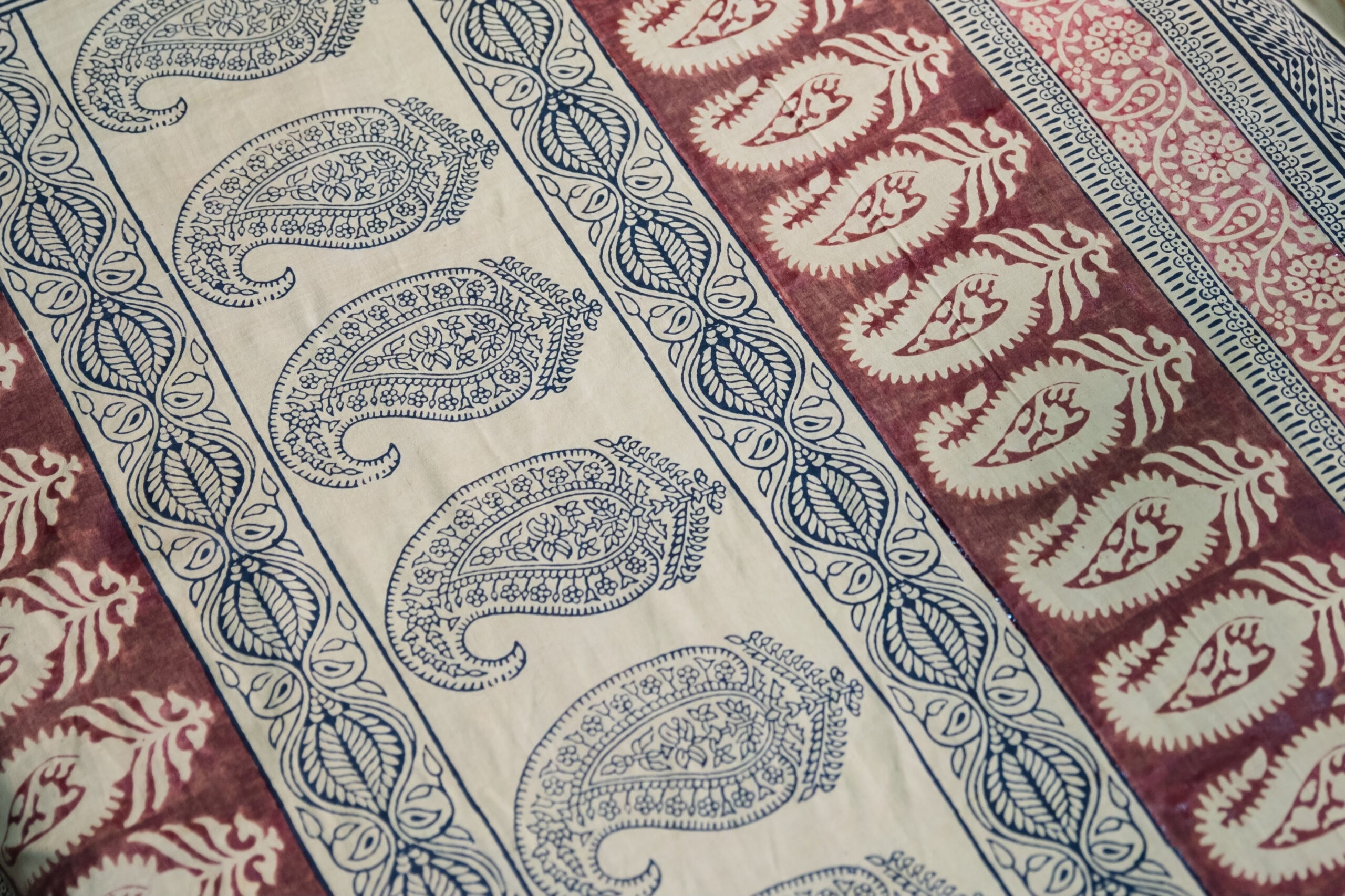
Hello, wonderful readers! Today, let’s step into the colorful world of Bagh Print from Madhya Pradesh, a craft that beautifully blends tradition with nature. This traditional textile art of Madhya Pradesh is known for its striking red, black, and white patterns, all created using natural dyes and hand-carved wooden blocks.
Originating from the quiet town of Bagh, this art form reflects centuries of cultural heritage and artistic devotion. Each print tells a story—of skilled artisans, river traditions, and timeless beauty—that continues to charm fashion lovers and art enthusiasts across the world even today.
History and Cultural Roots of Bagh Printing
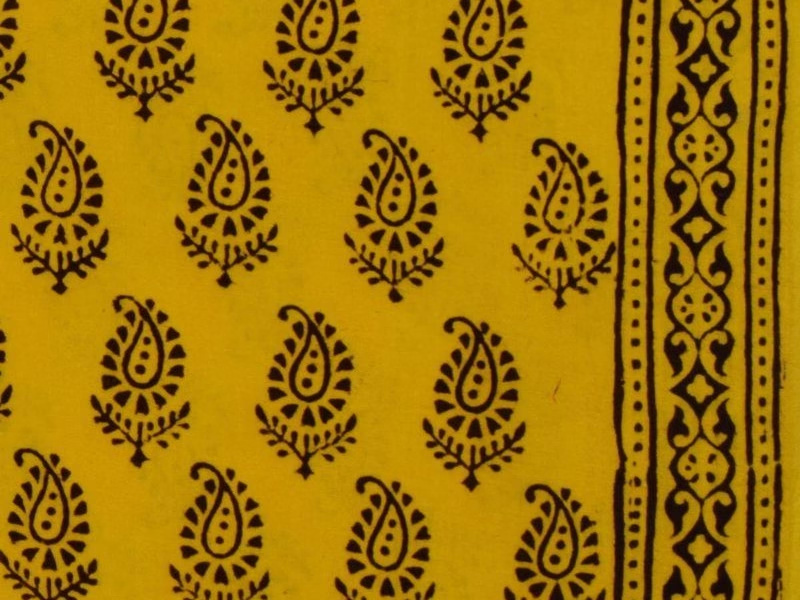
This traditional textile art of Madhya Pradesh dates back several centuries and is believed to have been brought to Bagh by a community of skilled artisans known as the Khatris. These artisans migrated from Gujarat around the 5th century, carrying with them the ancient techniques of hand block printing. But once they settled near the banks of the Bagh River, something magical happened — the mineral-rich water gave their prints deeper color, sharper outlines, and a natural charm that became the soul of Bagh Print.
The art soon evolved beyond just fabric—it became a reflection of life, nature, and devotion. The motifs inspired by flowers, geometric forms, and temple carvings linked the craft closely with local culture. For generations, the people of Bagh have kept this printing tradition alive using natural dyes and wooden blocks, making it not just a craft but a cultural identity of Madhya Pradesh. Even today, every piece of Bagh print tells a story woven through history, heritage, and heart.
Materials Used
- Base fabrics
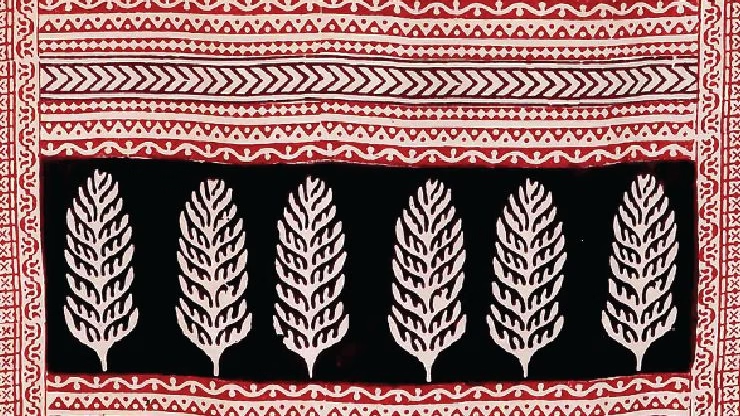
- Cotton: The most common base — absorbent, strong, and ideal for block printing.
- Silk and Tussar: Used for finer or premium pieces like stoles and dress materials. Cotton remains the workhorse for everyday textiles and most travel-style products.
- Cotton: The most common base — absorbent, strong, and ideal for block printing.
- Wooden blocks
- Natural and mineral dyes
- Red dye: Traditionally obtained using alum (fitkari) mixed with plant extracts; historically alizarin was also used.
- Black dye: Made using iron (ferrous sulfate or corroded iron filings) combined with jaggery and tamarind seed powder — a fermentation and rust process produces the deep black.
- Other colours: Indigo, mustard and greens are derived from plant sources. Natural dyes give the fabric its characteristic earthy palette (red/black on white) and eco-friendly appeal.
- Red dye: Traditionally obtained using alum (fitkari) mixed with plant extracts; historically alizarin was also used.
- Mordants and auxiliaries
- Alum (fitkari): Acts as a mordant to fix reds and brighten colours.
- Tamarind (chiyan) powder and jaggery: Used in dye preparation and as thickeners/assistants in colour reactions. These natural additives are central to the Bagh dye chemistry.
- Alum (fitkari): Acts as a mordant to fix reds and brighten colours.
- Dye containers and tools
- Copper or large iron vats, wooden vats, palea (dye trays), and bamboo mesh (kartali) to float the dye and load blocks. Clean river water (historically from the Bagh/Narmada region) is used for washing and soaking.
- Copper or large iron vats, wooden vats, palea (dye trays), and bamboo mesh (kartali) to float the dye and load blocks. Clean river water (historically from the Bagh/Narmada region) is used for washing and soaking.
Step-by-Step Process of Making Bagh Print
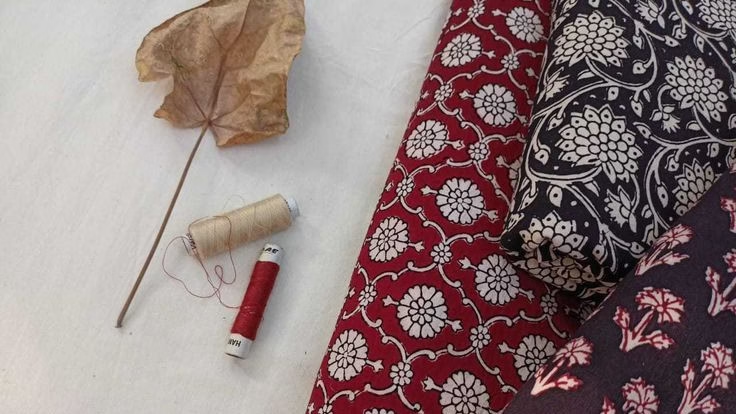
Below is the traditional, practiced sequence — each step requires care and timing. This is the heart of the traditional textile art of Madhya Pradesh.
1. Pre-treatment of cloth
- Scouring and bleaching — The raw fabric is washed thoroughly to remove sizing and starch. Historically, river water and natural washing agents were used to get a clean white base.
- Soaking in mordant bath — For parts of the cloth that will take red, the fabric is treated with an alum solution or other mordants to help colour adhere.
2. Designing and block carving
- Design selection — Traditional motifs (geometric diamonds, floral patterns, jaali/architectural motifs) are chosen.
- Carving blocks — Carvers cut these designs into wooden blocks (some designs are centuries old). Blocks are tested on scrap cloth to ensure alignment.
3. Preparing dyes
- Making red dye — Alum is boiled with plant extracts or powders (like dried alizarin sources or dhavadi flowers) and processed to create the red paste.
- Preparing black dye — Iron filings/ferrous sulfate are combined with jaggery and water and left to ferment; the rusted solution is later boiled with tamarind powder to obtain a lasting black. This hands-on chemistry is unique to Bagh.
4. Loading the blocks (kartali method)
- Palea and kartali — The dye is kept in a tray (palea). A bamboo mesh topped with wool (kartali) is floated on the dye so it soaks evenly. The block is gently pressed onto the kartali to pick up dye evenly before printing. This traditional method controls dye pickup and reduces blotching.
5. Hand block printing
- Printing sequence — Artisans align the block, press it firmly and rhythmically, repeating the pattern row by row. Printing often begins with red motifs (if used) and finishes with black overlays. Accuracy and timing are critical to match repeats and maintain symmetry.
6. Setting the colour and finishing
- Boiling/Fixing — The printed cloth is boiled (sometimes in big copper vats) so the mordant and dye react and set the colour; rinsing follows to remove loose pigments.
- Drying and final wash — After multiple washings, the fabric is sun-dried and pressed. For travel-friendly products, the printed fabric is then stitched onto stronger backing (canvas/leather) to make bags and accessories durable.
Symbols and Motifs in Bagh Print Designs
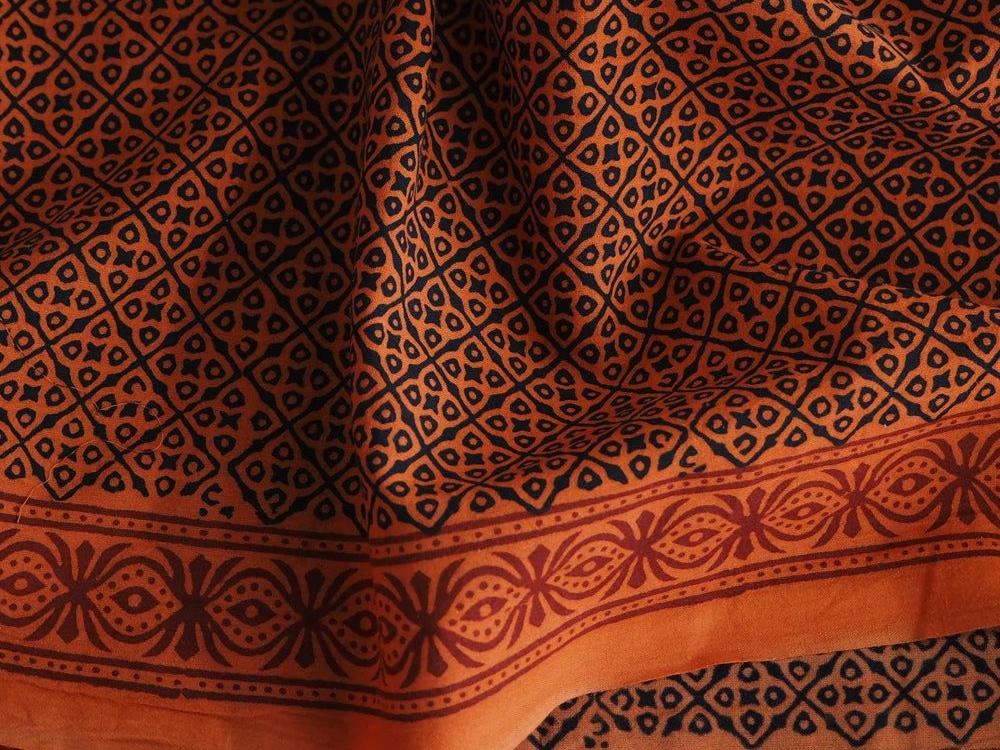
If you’ve ever held a piece of Bagh Print from Madhya Pradesh in your hands, you’d know that it’s not just fabric — it’s a story told through patterns, colors, and centuries of craftsmanship. Each motif, whether it’s a simple floral design or a complex geometric pattern, holds meaning and reflects the soul of this traditional textile art of Madhya Pradesh. Let’s explore these designs together and uncover the stories they whisper through their beautiful symmetry.
1. The Essence of Nature in Every Pattern
Nature has always been the heart of Bagh prints. The rivers, flowers, and leaves of Madhya Pradesh’s Narmada valley inspire many of the designs.
- Floral Motifs: Flowers like jasmine, marigold, and lotus are seen often. They symbolize purity, beauty, and prosperity. Artisans carefully hand-carve wooden blocks that capture the delicate symmetry of petals, bringing a sense of calm and grace to the fabric.
- Leaf Patterns (Patti and Bel): These leafy vines and creepers symbolize growth and life’s continuity. When printed on sarees, stoles, or home textiles, they remind us of nature’s ever-flowing rhythm.
- River Waves (Jal or Leheriya): Representing the life-giving Narmada River, these wavy lines connect the design deeply to the artisan’s surroundings. It’s as if the fabric itself carries the rhythm of flowing water.
Each natural element isn’t just decorative—it mirrors the deep bond between the artisan and the landscape that nurtures them.
2. Geometry with Meaning: The Sacred Lines and Forms
If you think geometry is all about rulers and angles, Bagh prints will change your mind! The geometric motifs here are artistic interpretations of balance and harmony.
- Diamond (Chakra or Phool Buti): The diamond shape, often found in central motifs, represents unity and completeness. It’s believed to bring protection and energy to the wearer.
- Triangles and Grids: These stand for strength and structure, showing how even simple lines can hold deep spiritual symbolism.
- Circular Mandala-like Patterns: Circles represent the eternal cycle of life. When printed in repeating formations, they create mesmerizing patterns that symbolize wholeness and perfection.
These geometric forms add rhythm and order to the designs, making Bagh Print from Madhya Pradesh instantly recognizable among India’s diverse textile traditions.
3. Cultural and Spiritual Symbols
Bagh prints are deeply rooted in local culture and faith. Many motifs draw inspiration from ancient temple art, tribal customs, and spiritual beliefs.
- Temple Borders (Mandir or Dholki): These stepped designs are inspired by temple architecture and symbolize divine protection. When seen on sarees or dupattas, they often represent the sacred bond between art and spirituality.
- Animal and Bird Motifs: Elephants, peacocks, and parrots are woven into the design language to represent wisdom, beauty, and companionship. They add a storytelling charm to the fabric, often capturing folk tales in visual form.
- Conch Shell (Shankh): A recurring motif symbolizing auspiciousness and purity, inspired by the rituals performed near the Narmada River.
Each pattern connects modern wearers to ancient beliefs, turning a simple cloth into a sacred canvas of culture.
4. The Harmony of Color and Symbol
The motifs of Bagh Print from Madhya Pradesh are incomplete without their colors. Traditionally, artisans use natural dyes—deep red (from alum and alizarin), black (from iron and jaggery), and white (from bleaching).
- The red stands for life, energy, and fertility.
- The black symbolizes depth, mystery, and protection.
- The white highlights purity and balance.
Together, they frame the motifs beautifully, making every pattern appear alive and meaningful.
5. Symbolism in Modern Adaptation
Today, Bagh prints have found their way into modern fashion—on scarves, handbags, shirts, and even home décor. Yet, artisans preserve the original motifs, keeping the emotional connection intact.
Designers might simplify patterns, but the essence remains: each print still tells a story of tradition, nature, and timeless artistry.
Facts and Statistics: The Present Status of Bagh Printing Industry
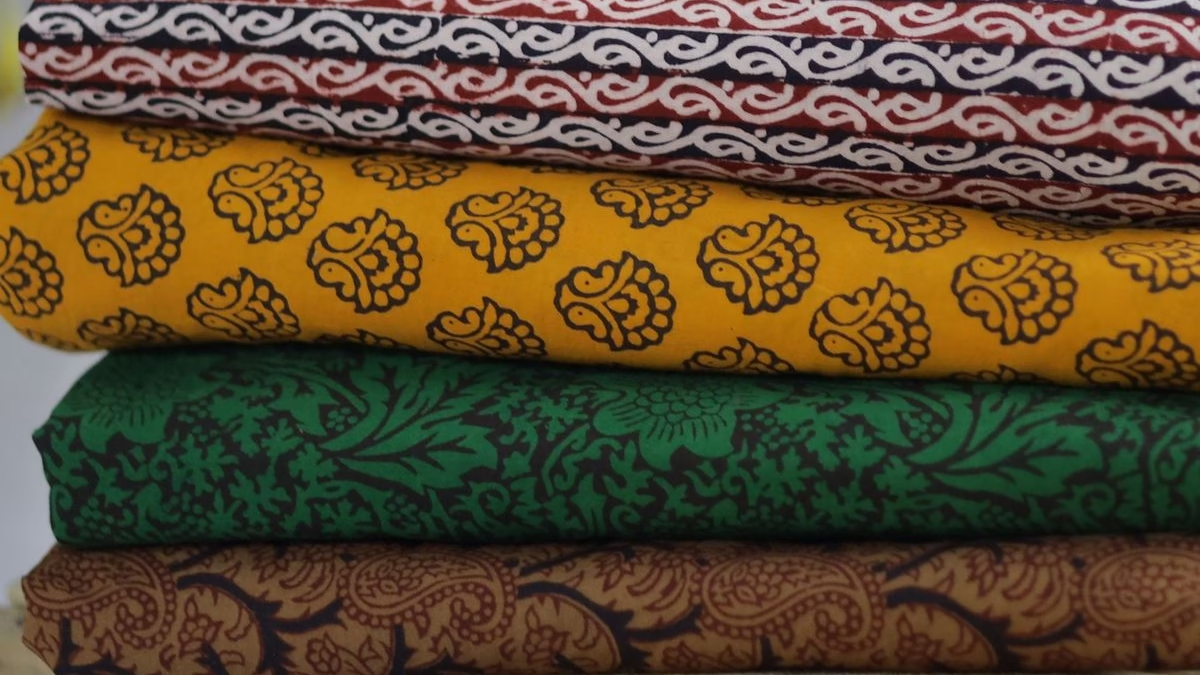
Let’s take a closer look at how Bagh Print from Madhya Pradesh is doing today — not just as an art form, but as a living, breathing tradition that continues to grow, evolve, and inspire.
A Living Heritage
- Bagh Print remains one of the most loved examples of the traditional textile art of Madhya Pradesh, known for its natural dyes, hand-block printing, and eco-friendly process.
- The craft is centered in Bagh village, located in the Dhar district of Madhya Pradesh, where nearly 200–250 artisan families are still involved in this age-old art.
- Around 60% of these artisans are from traditional printer families, ensuring that skills are passed down through generations.
Economic and Social Impact
- The Bagh printing community has been steadily growing due to increasing domestic and international demand.
- It is estimated that Bagh textiles contribute nearly 8–10 crore INR annually to the regional handloom and handicraft economy.
- The Government of India and the Madhya Pradesh Handloom Department have recognized the art with multiple awards and a Geographical Indication (GI) Tag in 2008–09.
- Many artisan cooperatives and small workshops now collaborate with designers and brands, blending heritage with modern fashion.
Global Reach
- Products featuring Bagh Print from Madhya Pradesh are exported to Europe, Japan, the U.S., and Australia, where people admire its earthy charm and sustainable craftsmanship.
- In recent years, exhibitions and textile fairs have boosted awareness, helping artisans connect directly with international buyers.
- Online platforms and digital marketplaces have also opened new opportunities for artisans who previously relied only on local fairs.
Conclusion:
Bagh Print from Madhya Pradesh is more than a textile art—it’s a living tradition that bridges the past and present through every rhythmic hand block and natural hue. What began as a humble village craft now stands as a symbol of India’s sustainable artistry and cultural pride.
Each pattern tells a story, each dye speaks of the land’s harmony with nature. As we wrap ourselves in the beauty of Bagh prints, we aren’t just wearing fabric—we’re carrying forward a heritage that continues to breathe through the hands of its devoted artisans.
Read also: Zardozi and Chikankari Art from Uttar Pradesh

Leave a Reply