

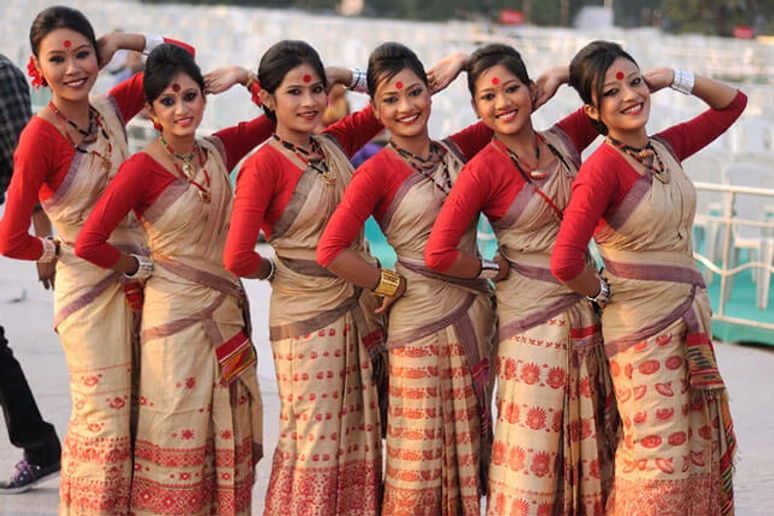
Hello folks, Ever seen a saree that takes just two minutes to wear? That is the magic of the Mekhela Sador. For centuries, Assamese women have worn this two-piece wonder. It is not just clothing. It is pride. It is identity.
And honestly? It is having a major moment right now. Young girls are pairing it with crop tops. Designers are going crazy over its pristine silk. But here is the thing—behind that glossy finish lies weeks of handwork by a single weaver. One Mekhela Sador can take up to 15 days to complete. Pure patience. Pure art.
Whether you are attending a Bihu dance or a beach wedding, this drape fits right in. Ready to fall in love with Assam’s gift to the world? Let’s explore more about it!
What Exactly Is an Assamese Mekhela Sador? Assam’s Traditional Two-Piece Wonder
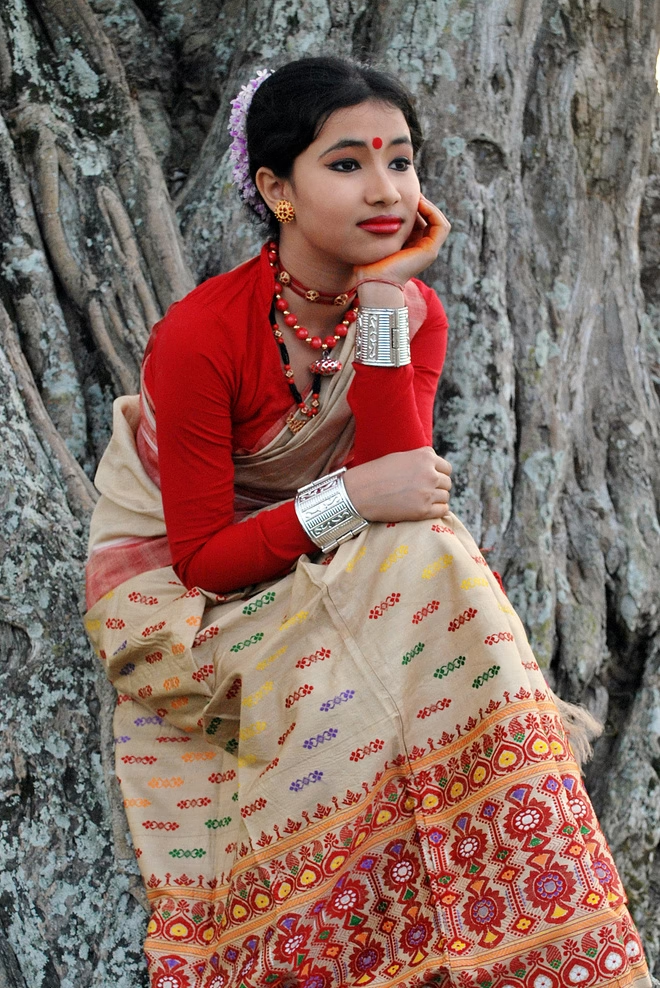
Let us clear this up right now. A Mekhela Sador is not a saree. Not really.
Yes, it is draped. Yes, it looks like a saree when worn. But the similarity ends there. This is Assam’s traditional ensemble, and it has been around for over 500 years. The design? Pure genius.
It comes in two separate pieces:
- The Mekhela: This is the bottom portion. It is a cylindrical skirt. You wrap it around your waist, pleat it, and tuck it in. No nivi pleats like a saree. Just clean, sharp folds. It is usually 2 to 2.5 meters long.
- The Sador: This is the top drape. Think of it as a large rectangular shawl. It is about 1.5 meters long. You drape it over the upper body, covering one shoulder. It flows like grace.
Here is the kicker. One single Assamese Mekhela Sador takes 7 to 15 days to weave. By hand. On a traditional loin loom. The weaver sits on the floor, legs stretched out, working thread by thread.
Why is it special? No cutting. No stitching. Just pure woven fabric. The body measurements are built into the loom itself. Imagine that. A dress custom-made for you before you are even born.
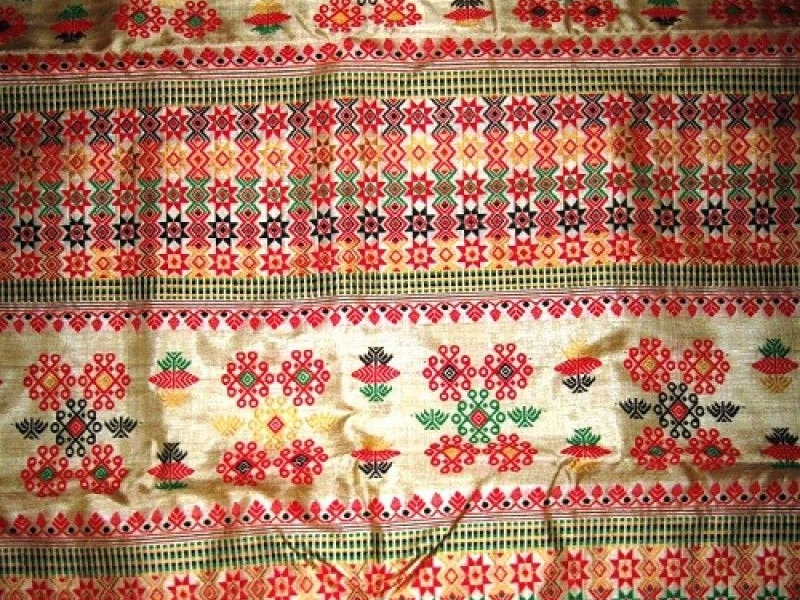
And the motifs? Flowers, leaves, and stars. All woven by memory. No sketches. No graphs. Just the weaver’s mind and years of practice.
Quick fact: The Assamese Mekhela Sador received its GI tag in 2007. That means only Assam can claim it. Only Assam can make it.
So next time you see one, remember. It is not just fabric. It is 500 years of culture, wrapped in two pieces.
Types of Silk You Will Find in Assamese Mekhela Sador
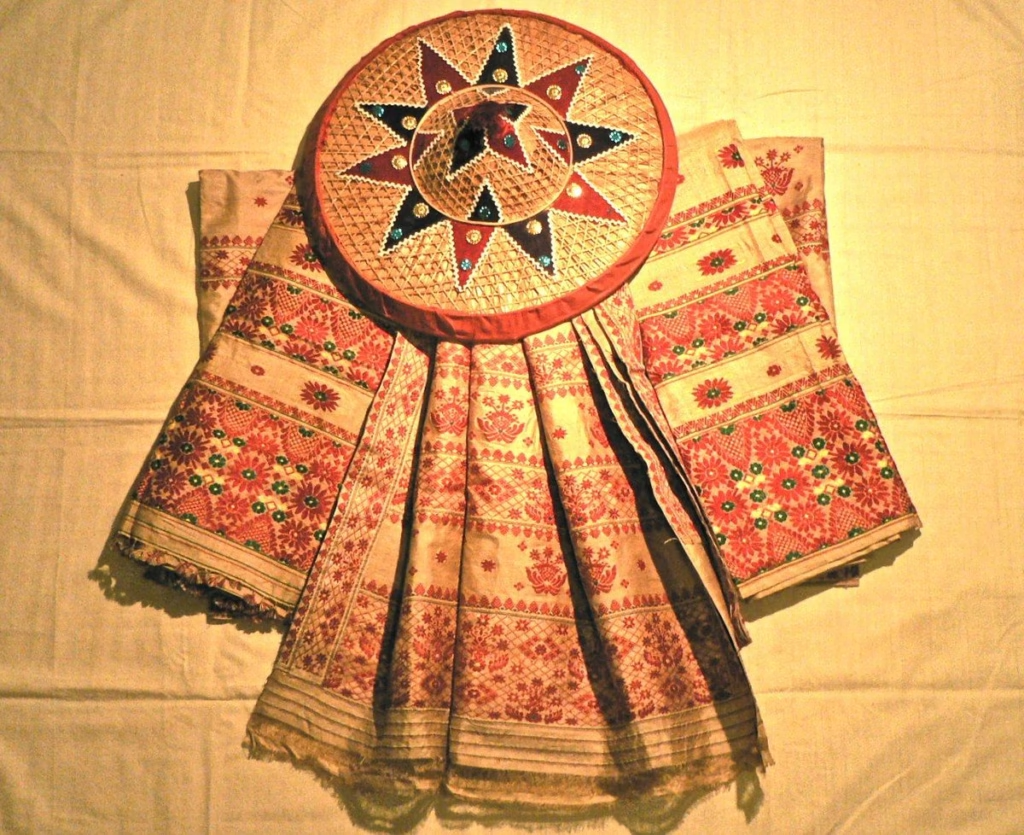
Assam is silk country. In fact, India produces18% of the world’s silk, and Assam contributes a massive chunk of that.
But not all silk is the same. Each type has its own personality, its own story, and its own price tag. Here is the breakdown.
Muga Silk—The Golden Wonder
This is Assam’s crown jewel. Literally.
- What makes it special? Muga silk is naturally golden. No dyes needed. The color deepens with every wash.
- Durability: It is one of the strongest natural fibers in the world. A Muga Mekhela Sador can last 50+ years if cared for properly.
- GI Tag: Received in 2007. Only Assam produces genuine Muga.
- Price range: ₹8,000 to ₹30,000 depending on weave density.
- Best for: Weddings, religious ceremonies, heirloom pieces.
Fun fact: Muga silk is so durable that mothers pass it down to daughters. It ages like fine wine.
Pat Silk – The Pure White Classic
Soft, smooth, and absolutely elegant.
- Origin: Made from mulberry silkworms.
- Texture: Glossy and lightweight. Feels cool against the skin.
- Color: Naturally white or off-white. Takes dyes beautifully.
- Weave time: 10 to 15 days for a single piece.
- Price range: ₹4,000 to ₹15,000.
- Best for: Day weddings, receptions, and festive occasions.
Cultural note: Pat silk is considered pure. Many Assamese brides wear red Pat silk for their wedding.
Eri Silk—The Warmth Giver
Also called “Ahimsa silk.” Why? Because the silkworm is not killed during extraction.
- Process: The cocoons are harvested after the moth emerges. Peaceful. Ethical.
- Texture: Matt finish. Thicker and warmer than Muga or Pat.
- Feel: Almost like wool but softer.
- Price range: ₹3,000 to ₹10,000.
- Best for: Winter weddings, casual wear, spiritual ceremonies.
Sustainability fact: Eri silk production supports over 20,000 rural families in Assam.
Tussar Silk—The Earthy Cousin
Not originally Assamese, but widely used in modern Mekhela Sador.
- Origin: Found in Jharkhand and Bihar, but Assamese weavers have adopted it.
- Color: Rich copper and bronze tones.
- Texture: Coarser than Muga but very durable.
- Price range: ₹2,500 to ₹8,000.
- Best for: Experimental fashion, fusion wear, and office parties.
Quick Comparison Table:
| Silk Type | Natural Color | Durability | Avg. Price | Best Use |
| Muga | Golden | 50+ years | ₹8k-30k | Weddings |
| Pat | White/Cream | 20-30 years | ₹4k-15k | Festivals |
| Eri | Beige/Brown | 15-20 years | ₹3k-10k | Winter |
| Tussar | Copper | 10-15 years | ₹2.5k-8k | Fusion |
Pro Tip: Always ask for a silk mark certificate when buying Muga or Pat. Fakes are everywhere. Real silk costs more. It is worth every rupee.
The Rich History: How the Mekhela Sador Shaped Assamese Culture
Let us rewind 1,200 years. The Assamese Mekhela Sador is not a trend. It is a dynasty. Literally.
9th Century: The Silk Roots
It all started with the Chutia and Ahom kingdoms. They mastered Muga silk—a golden fabric found nowhere else on earth. Ancient buranjis (royal chronicles) mention royal women draped in fine silk. This was the birth of Assamese identity.
13th-18th Century: The Golden Age
The Ahom rulers made it official. Wearing the Assamese Mekhela Sador became a cultural stamp. Every Assamese woman, from queens to peasants, wore it. The intricate motifs told stories. Flowers meant prosperity. Animals meant strength.
19th Century: The Colonial Test
The British brought machine-made cloth. Cheaper. Faster. But Assam refused. Handloom survived. In fact, over 50% of rural households continued weaving at home. It was rebellion through thread.
Today: A 500-Crore Legacy
Fast forward to 2024. Assam’s silk industry is worth over ₹500 crore. Mekhela Sador is now a global style statement. Yet, the soul remains the same. Still handwoven. Still golden. Still proudly Assamese.
Mekhela Sador vs. Traditional Saree: What’s the Real Difference?
At first glance, they both look like elegant drapes. But trust me, they are worlds apart. One takes minutes to wear. The other takes practice. One is two pieces. The other is a single long fabric. Let us break it down simply.
The Structure: Two vs. One
This is the biggest difference.
- Mekhela Sador: It is a two-piece garment. The Mekhela is the cylindrical skirt worn around the waist. The Sador is a long rectangular cloth draped over the upper body. Simple. No pleats to tuck.
- Traditional Saree: It is a single piece of fabric, usually 5.5 to 9 yards long. You have to tuck, pleat, and wrap it perfectly. It takes skill.
The Drape: Speed vs. Art
An Assamese Mekhela Sador is practical. You can wear it in under two minutes. Just tie the skirt and drape the top. A traditional saree? That takes time. On average, women spend 5 to 10 minutes just arranging the perfect pleats and pallu.
The Fabric: Regional Roots
Both use silk, but the variety differs.
- Mekhela Sador: Famous for Assam’s exclusive Muga silk. It has a natural golden sheen. This silk is so rare it holds a Geographical Indication (GI) tag.
- Traditional Saree: Think Banarasi, Kanchipuram, or Paithani. Each region uses its own silk and weaving techniques.
The Occasion: Daily vs. Grand
In Assam, women wear the Mekhela Sador for both daily wear and festivals like Bihu. It is versatile. Traditional sarees, especially heavy silk ones, are mostly reserved for weddings and big ceremonies in many parts of India.
The Verdict
Both are stunning. But the Mekhela Sador wins on comfort and speed. The traditional saree wins on dramatic draping variety. Choose what fits your mood.
How Much Does a Real Mekhela Sador Cost? (Full Pricing Guide)

Let’s talk money. Because a genuine Mekhela Sador is an investment. You cannot expect magic for five hundred rupees.
The price depends on three things—the silk type, the weave density, and the artistry.
Price Breakdown by Silk Type
- Pat Silk: This is the most common. Pure Pat starts at ₹3,500. A good quality piece with light weaving costs between ₹4,000 and ₹8,000.
- Muga Silk: This is the golden queen. It is expensive because it is rare and famously durable. A plain Muga set begins at ₹8,000. Intricate ones with heavy borders can go up to ₹25,000 or more.
- Eri Silk: Softer and warmer. Prices range from ₹2,500 to ₹5,000.
- Kula (Tant) Cotton: For daily wear. These are lighter on the pocket. Expect to pay between ₹1,800 and ₹3,500.
Where to Buy Original Mekhela Sador (Without Getting Cheated)
Fakes are everywhere. Synthetic stuff is sold as pure silk. You have to be smart.
Option 1: Government Emporiums (Safest Bet)
Visit Bhawan showrooms in your city. In Guwahati, go to Pragjyotika or Bhawan. Prices are fixed. Authentication is guaranteed. You will pay a little extra for the trust, but it is worth it.
Option 2: Direct from Weavers (Best Value)
Places like Sualkuchi (the silk village of Assam) are your best bet. Walking into a weaver’s home cuts out the middleman. You can negotiate. A ₹6,000 piece here might cost ₹9,000 in a city mall. Over 2.5 lakh weavers work in this region. Buy direct, and you support them directly.
Option 3: Certified Online Stores (Convenient)
Websites like Mishra Handloom or iTokri are reliable. Always look for the Handloom Mark label. It is a government tag that guarantees the product is handwoven. If the tag is missing, be suspicious.
Timeline for Buying
- Festival Season (Bihu – April): Prices spike by 15-20%. Book at least one month early.
- Wedding Season (November to February): Heavy demand. Weavers are busy. Custom orders need 45 to 60 days lead time.
- Off-Season (Months): You can score deals. Some shops offer 10% discounts just to clear old stock.
Remember this: a real Mekhela Sador breathes. It feels alive. If it feels plasticky, walk away. Your money deserves real craft.
Frequently Asked Questions About Mekhela Sador
1. What exactly is a Mekhela Sador?
It is Assam’s traditional two-piece garment. The Mekhela is the cylindrical skirt draped around the lower body. The Sador is the long cloth wrapped like a shawl over the upper body. Together, they create an elegant, timeless look distinct from regular sarees.
2. How old is the Mekhela Sador?
This drape is centuries old. Historical records from the Ahom dynasty (1228–1826) mention it. Some believe the design dates back even further to the ancient Kamarupa kingdom. For over 700 years, Assamese women have worn this without change.
3. What is the difference between Pat and Muga silk?
Pat silk is pure white or off-white. It is smooth, glossy, and cool. Muga silk is golden yellow. It is naturally glossy, extremely durable, and only found in Assam. Muga is more expensive and reserved for special occasions.
4. How long does it take to weave one Mekhela Sador?
A single piece takes 7 to 15 days. Handwoven on traditional looms, every thread is placed by human hands. Complex designs with heavy borders can take over a month. That is why authentic ones cost more.
5. Can I wear a Mekhela Sador without help?
Yes. That is the beauty of it. Unlike a nine-yard saree, the Mekhela Sador has only two pieces. The skirt ties easily. The Sador drapes over one shoulder. Two minutes and you are ready. No pins required.
6. Why is Muga silk so expensive?
Muga is rare. It is produced only in Assam. The silkworms feed on specific local trees. The yarn cannot be replicated anywhere else. Plus, it is naturally golden and gets glossier with every wash. Pure luxury.
7. How do I care for my Mekhela Sador?
Always dry clean pure silk pieces. Never use harsh detergents. Dry in shade only. Sunlight fades the natural sheen. Fold with tissue paper to avoid creases. Treat it like an heirloom because it lasts generations.
8. Can young girls wear Mekhela Sador?
Absolutely. In Assam, girls wear it from age five. Today, college girls style it with modern blouses. Crop tops, sneakers, and statement jewelry—mix it up. It is traditional but totally flexible for young fashion.
9. What is the price range for a good Mekhela Sador?
Cotton ones start at ₹2,000. Pat silk ranges from ₹4,000 to ₹10,000. Pure Muga starts at ₹8,000 and can cross ₹30,000 for heavy work. Government outlets offer fair prices. Always buy from trusted sellers.
10. Where can I buy authentic Mekhela Sador outside Assam?
Many online stores now ship nationwide. Look for GI-tagged products. State emporiums in major cities stock them. Cooperative societies like Gamusa House are reliable. Always ask for authenticity certificates for pure Muga.
Also Read:
Kalamkari Comeback: How Hand-Painted Textiles Are Winning Over Gen Z

Leave a Reply