


Hello folks!, ever noticed how some walls don’t just stand there, but speak? Welcome to the vibrant world of Chitera Wall Paintings of Haryana, where everyday homes turn into storytelling canvases.
Rooted deeply in village life, this folk art is created during festivals, weddings, and special rituals, bringing color, belief, and celebration together. Made using natural pigments and simple tools, Chitera Wall Paintings reflect harmony with nature and strong cultural values.
Animals, floral patterns, and sacred symbols come alive on mud-plastered walls, each carrying meaning beyond decoration. Simple yet powerful, this art form captures emotions, traditions, and collective memory in the most honest way. Get ready to explore a tradition where art isn’t framed—it lives, breathes, and welcomes you home.
Historical Roots: Origin and Evolution of Chitera Art
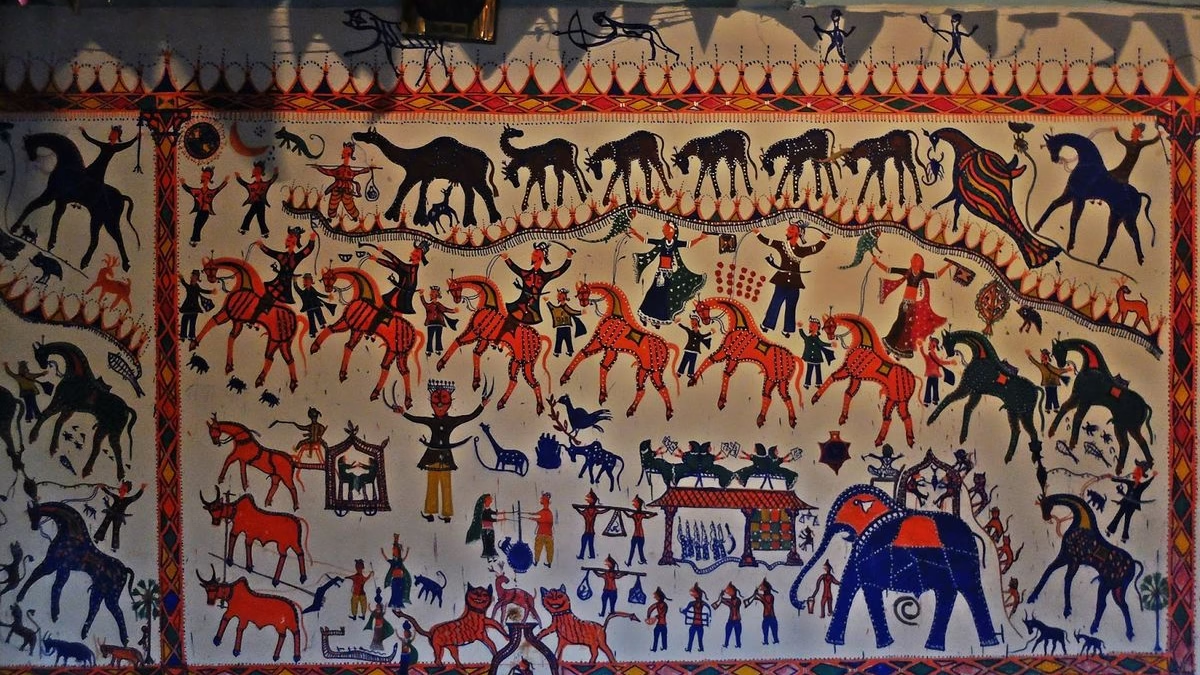
The story of Chitera Wall Paintings is closely tied to the everyday life, beliefs, and celebrations of rural Haryana. This folk art did not begin in royal courts or temples—it grew quietly inside village homes, passed down through generations like a family tradition.
Ancient Beginnings – Pre-Medieval Period
- The roots of Chitera Wall Paintings can be traced to early agrarian communities.
- Villagers decorated mud walls to mark seasons, harvests, and life events.
- Art was created as a form of protection, prayer, and prosperity.
Medieval Phase – Community Identity Takes Shape
- Chitera art evolved as a shared cultural language.
- Women became the main artists, painting during festivals and weddings.
- Designs reflected fertility, nature, and local folklore.
- Natural pigments from soil, plants, and stones were commonly used.
18th–19th Century – Ritual and Celebration
- Chitera Wall Paintings gained strong ritual importance.
- Paintings appeared during marriages, childbirth, and religious observances.
- Motifs became more structured and symbolic over time.
- Each region developed slight stylistic differences.
Early 20th Century – Slow Decline
- Modern housing and cement walls reduced traditional spaces.
- Younger generations moved away from folk practices.
- Chitera art began fading from everyday life.
Late 20th Century to Present – Revival Efforts
- Cultural scholars documented Chitera Wall Paintings.
- NGOs and artists began revival projects.
- The art form is now seen as a valuable cultural heritage.
Today, Chitera art stands as a painted memory—simple, soulful, and deeply rooted in Haryana’s traditions.
Materials and Techniques Used in Chitera Wall Paintings
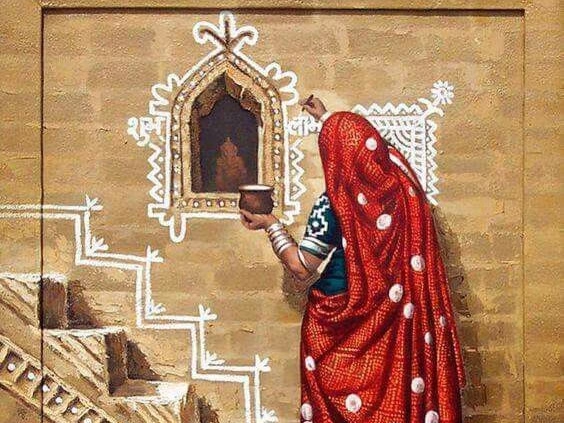
The beauty of Chitera Wall Paintings lies in their simplicity. Every line, color, and surface comes straight from nature and daily village life. Let’s break it down in an easy, friendly way.
Natural Materials Used
- Mud and Clay Base
- Walls are coated with locally sourced mud.
- Cow dung is mixed in for strength and smoothness.
- This base helps the colors last longer.
- Walls are coated with locally sourced mud.
- Natural Pigments
- Red and brown from natural soil.
- White from lime or chalk.
- Black from charcoal or lamp soot.
- Yellow from turmeric or local stones.
- Red and brown from natural soil.
- Binders and Brushes
- Gum from trees or rice paste binds colors.
- Brushes are made from twigs, grass, or cotton cloth.
- Gum from trees or rice paste binds colors.
Traditional Techniques Followed
- Wall Preparation
- Walls are cleaned and freshly plastered.
- Painting begins while the surface is slightly damp.
- Walls are cleaned and freshly plastered.
- Freehand Drawing
- No stencils or outlines.
- Artists paint directly from memory and tradition.
- Confidence shows in bold strokes.
- No stencils or outlines.
- Layer-by-Layer Coloring
- Light colors applied first.
- Dark shades added for depth and contrast.
- Light colors applied first.
- Symbolic Placement
- Paintings are placed near doors, courtyards, and prayer areas.
- Each spot holds cultural meaning.
- Paintings are placed near doors, courtyards, and prayer areas.
Why These Techniques Matter
- They make Chitera Wall Paintings eco-friendly.
- They reflect harmony between art and nature.
- They preserve community knowledge passed through generations.
Simple tools. Natural colors. Deep meaning. That’s the quiet magic behind Chitera Wall Paintings of Haryana.
Step-by-Step Making of Chitera Wall Paintings
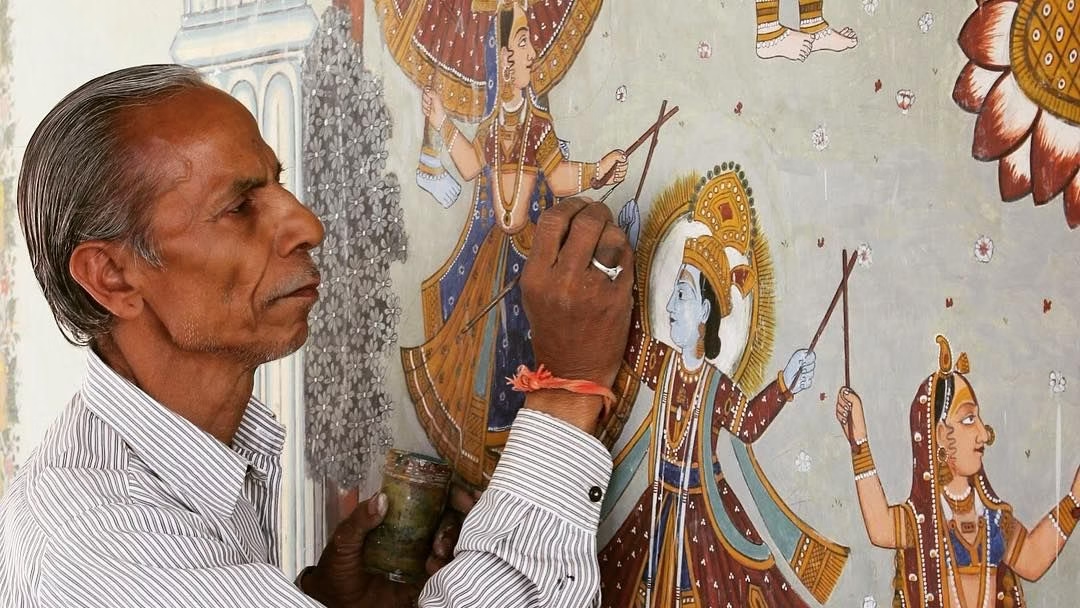
The beauty of Chitera Wall Paintings lies in their simplicity and deep cultural connection. Let’s walk through how these traditional artworks come alive, step by step.
1. Preparing the Wall Surface
- Walls are cleaned thoroughly to remove dust.
- A smooth base is created using a mix of mud, cow dung, and straw.
- This natural plaster helps colors last longer.
- The surface is left to dry evenly.
2. Natural Color Preparation
- Colors are made from natural sources.
- Red comes from geru (red soil).
- White is derived from chalk or lime.
- Black is prepared using soot or charcoal.
- These earthy tones define Chitera Wall Paintings.
3. Sketching the Basic Layout
- Artists lightly draw outlines with charcoal.
- Simple geometric borders are planned first.
- Central figures are placed carefully.
4. Painting the Motifs
- Brushes made from twigs or cloth are used.
- Motifs include animals, flowers, and folk symbols.
- Repetitive patterns create rhythm and balance.
5. Final Touches and Drying
- Fine lines and details are added last.
- Paintings are allowed to dry naturally.
- The artwork becomes part of the home.
Every step of Chitera Wall Paintings reflects tradition, patience, and a deep bond with nature.
Symbols and Motifs: Stories Painted on Walls in Chitera Wall Paintings
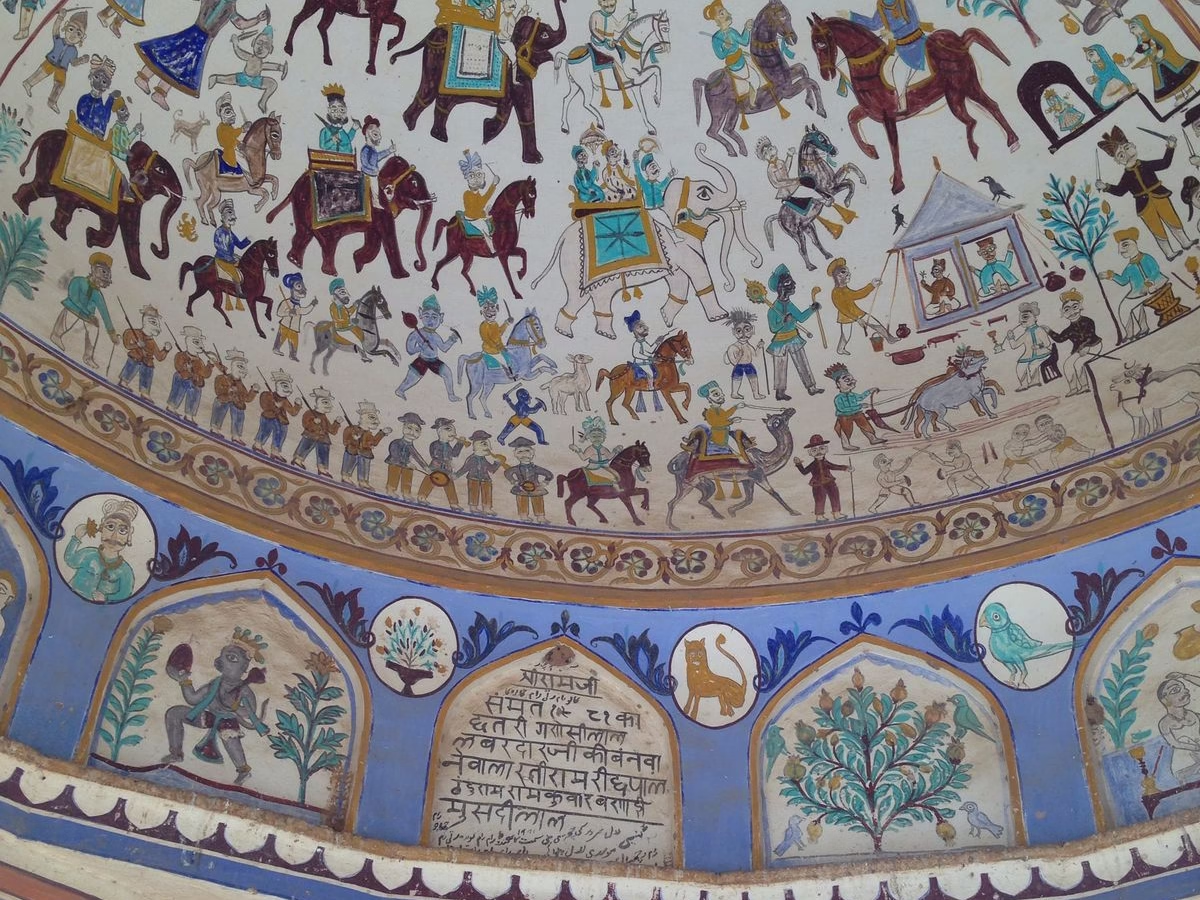
The beauty of Chitera Wall Paintings lies not just in their colors, but in the quiet stories they tell. Every line, shape, and symbol painted on village walls carries meaning, belief, and everyday wisdom passed down through generations.
Nature-Inspired Motifs
- Trees symbolize life, growth, and continuity.
- Flowers represent purity, celebration, and prosperity.
- Birds are painted as messengers of good news and harmony.
- Animals reflect strength, protection, and rural livelihood.
These natural motifs connect the Chitera Wall Paintings closely to village life and surroundings.
Geometric Patterns and Borders
- Circles symbolize completeness and protection.
- Triangles represent balance and stability.
- Repeating lines create rhythm and movement.
- Borders act as symbolic shields for homes.
Such patterns give structure and flow to Chitera Wall Paintings, making them visually balanced.
Human Figures and Daily Life
- Women carrying pots show fertility and household harmony.
- Farmers at work reflect prosperity and hard work.
- Dancers express joy, festivals, and community bonding.
These motifs turn Chitera Wall Paintings into visual diaries of village life.
Religious and Ritual Symbols
- Kalash stands for abundance and purity.
- Swastika symbolizes auspicious beginnings.
- Footprints of deities invite blessings into homes.
These sacred symbols give Chitera Wall Paintings a protective and spiritual role.
Festival and Marriage Motifs
- Motifs change during weddings and festivals.
- Special symbols mark new beginnings and celebrations.
Together, these symbols transform simple walls into storytellers of Haryana’s cultural soul.
Facts, Beliefs, and Myths Surrounding Chitera Wall Paintings
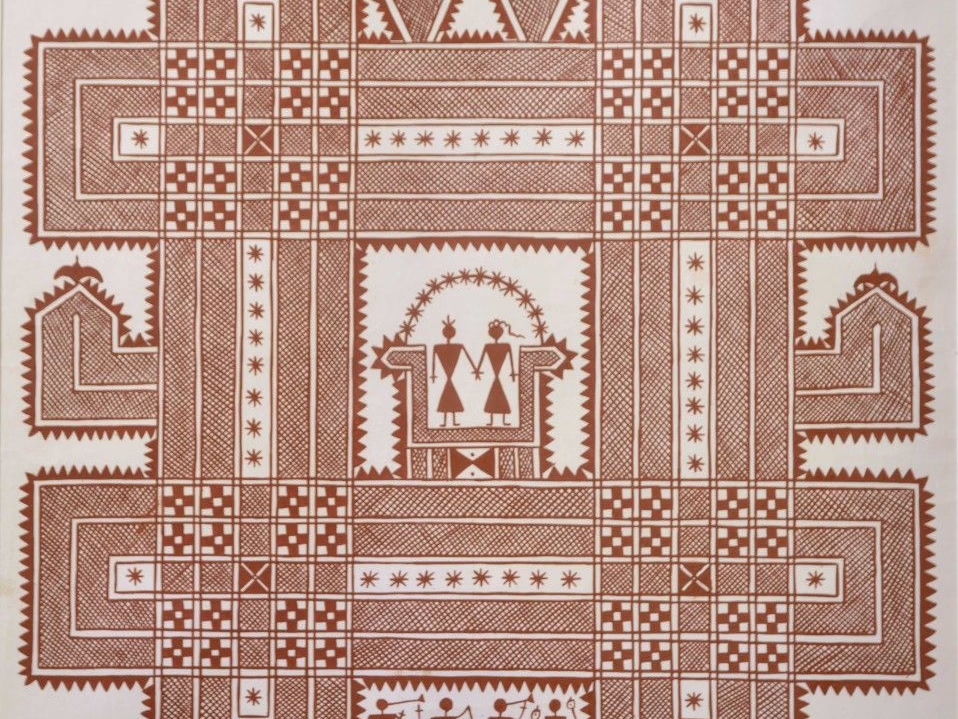
Interesting Facts
- Chitera Wall Paintings are traditionally created by local artisan families.
- These paintings are made using natural pigments from soil, plants, and minerals.
- They are usually painted on freshly plastered mud walls.
- The art is closely linked to village rituals and seasonal festivals.
Traditional Beliefs
- Villagers believe Chitera Wall Paintings bring prosperity and protection.
- Certain motifs are painted to ward off evil spirits.
- Painting walls before weddings and harvests is considered auspicious.
- Women often take the lead in preserving this art form.
Popular Myths
- It is believed that unfinished Chitera Wall Paintings invite bad luck.
- Some say the colors fade if the household harmony is disturbed.
- A common myth suggests the designs please local deities and ancestors.
Simple yet meaningful, Chitera Wall Paintings reflect how art, belief, and daily life beautifully blend in Haryana’s villages.
Artistic Details: Colors, Patterns, and Visual Language
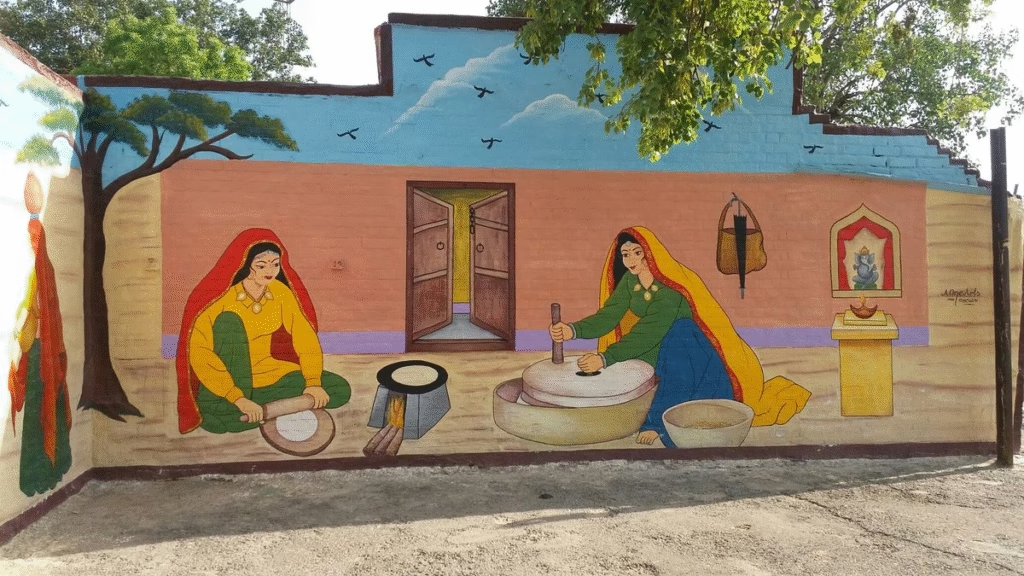
The beauty of Chitera Wall Paintings lies in their simplicity and strong visual storytelling. Painted mostly on the outer and inner walls of village homes, these artworks reflect daily life, beliefs, and celebrations in a language everyone understands.
Earthy Color Palette Rooted in Nature
- Colors come directly from natural sources.
- White from lime forms the base.
- Red and ochre are made from local soil.
- Black comes from charcoal or lamp soot.
- Yellow is derived from turmeric or clay.
- These earthy shades give Chitera Wall Paintings a soft yet striking look.
Simple Patterns with Strong Balance
- Designs are usually symmetrical.
- Borders frame the artwork neatly.
- Repeating lines, dots, and floral shapes create rhythm.
- Empty spaces are used intentionally.
- Patterns feel calm, ordered, and meaningful.
Figures That Speak Without Words
- Human and animal figures are flat and bold.
- Faces are shown in profile or simple outlines.
- Eyes are large and expressive.
- Movements are suggested through posture, not detail.
- This visual language keeps Chitera Wall Paintings easy to read and remember.
Narratives Painted for Everyday Life
- Scenes show weddings, harvests, festivals, and rituals.
- Symbols replace complex storytelling.
- Every image carries a message of protection, prosperity, or joy.
- The walls become storytellers for the household.
In essence, Chitera Wall Paintings use color, pattern, and form not to impress, but to connect—quietly, beautifully, and honestly.
The Bottom Lines
As we wrap up our journey into the world of Chitera Wall Paintings, one thing becomes clear—this art form is not just decoration, but living tradition. Painted on village walls with simple tools and natural colors, these artworks carry stories of faith, daily life, and community pride.
The beauty of Chitera Wall Paintings lies in their honesty, their earthy charm, and the way they quietly connect generations. They remind us that art doesn’t always belong in galleries; sometimes, it lives right where people laugh, pray, and celebrate.
Preserving this heritage means honoring the hands and hearts behind it, so that these painted stories continue to breathe life into Haryana’s cultural landscape.
Punch line: “Haryana’s Stories Painted on Walls”
Also read: Vijayanagara Temple Carving Style – Hampi, Karnataka

Leave a Reply