
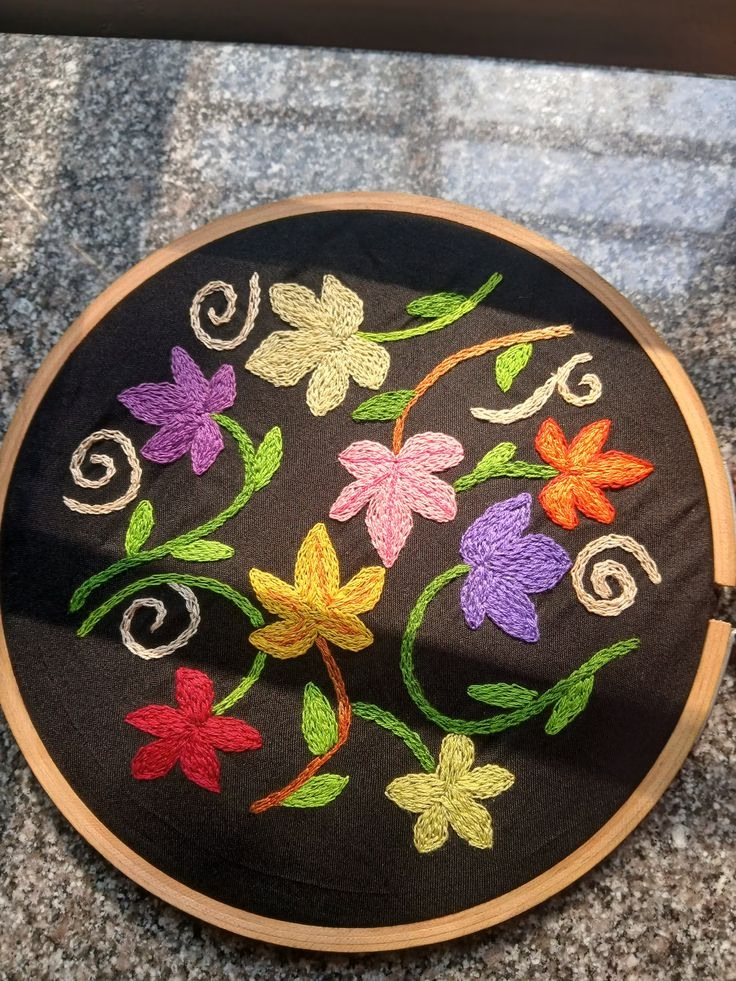
Hello, dear readers! Kashida embroidery from Jammu & Kashmir is one of the most graceful and refined needlework traditions of India. Known for its delicate stitches, nature-inspired motifs, and soothing color palettes, Kashida beautifully reflects the serene landscapes of the region.
From chinar leaves and blooming flowers to birds, vines, and paisleys, every pattern tells a quiet story of Kashmiri artistry. Traditionally crafted on pashmina, wool, cotton, or silk, this embroidery is done using just one or two simple stitches, making its elegance even more striking.
Whether seen on shawls, suits, home décor, or accessories, Kashida embodies the peaceful charm and cultural richness of Kashmir, keeping its centuries-old heritage alive through every handcrafted piece.
Historical Background of Kashida Embroidery
15th century: Under Zain‑ul‑Abidin, Persian and Turkistan weavers were brought to Kashmir; early forms of Kashida embroidery began.
16th–17th century (Mughal period): The craft flourished, gaining patronage from Mughal rulers; Kashmiri shawls and embroidered textiles became more refined and widespread.
18th–early 19th century: As woven shawl demand decreased, Kashida embroidery began to replace expensive weaving; artisans expanded embroidery on shawls, garments, and export textiles. TRC Leiden+2Craft Archive+2
Mid–19th century: The art became a commercial craft: embroidery workshops emerged, with family artisans (rafugars) producing embroidered textiles for local and international markets.
Late 19th century onward: Despite fluctuations in demand, the embroidery persisted; it evolved in technique and design, expanded beyond shawls to garments and home textiles, and remains an emblem of Kashmir’s cultural heritage.
Materials Used in Traditional Kashida Work
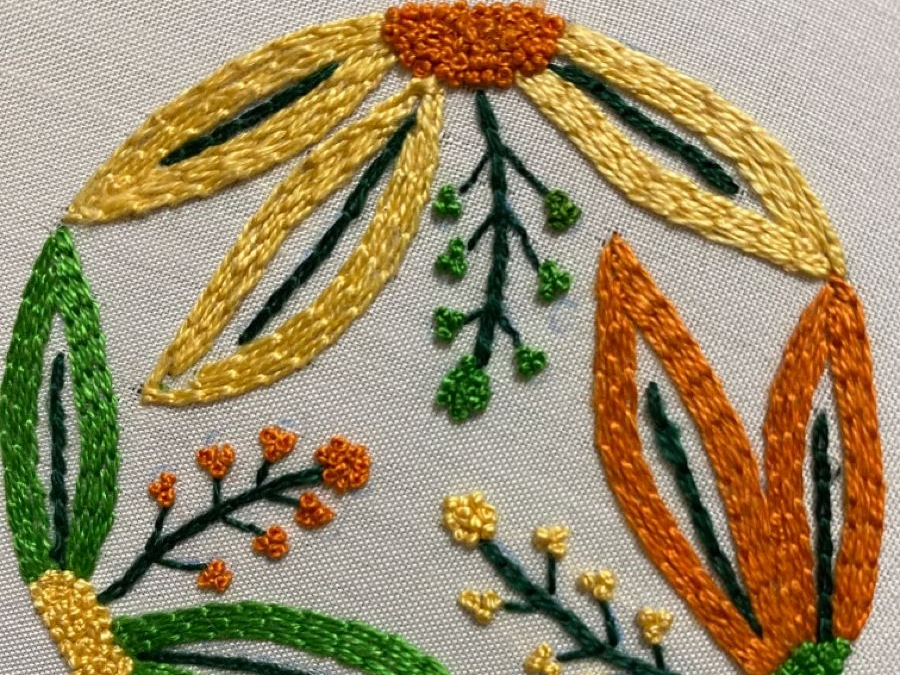
The charm of Kashida Embroidery from Jammu & Kashmir comes from its beautiful materials, each chosen with care to match the delicate and elegant nature of the craft. Kashida is known for its simplicity, soft color palette, and nature-inspired themes, and the materials used play a huge role in bringing these designs to life. Below is a clear, easy-to-read breakdown of the major materials that define Kashida Embroidery from Jammu & Kashmir.
1. Base Fabrics Used
- Pashmina Wool
- One of the most iconic fabrics used in Kashida embroidery from Jammu & Kashmir.
- Known for its ultra-soft texture and warmth.
- Perfect for shawls, stoles, and high-value garments.
- One of the most iconic fabrics used in Kashida embroidery from Jammu & Kashmir.
- Cotton Fabric
- Lightweight and easy to stitch.
- Commonly used for summer wear, kurtas, cushion covers, and home décor items.
- Lightweight and easy to stitch.
- Silk Fabric (Tussar, Mulberry, or Pure Silk)
- Adds sheen and elegance to the embroidery.
- Ideal for sarees, dupattas, and festive outfits.
- Adds sheen and elegance to the embroidery.
- Woolen Fabric
- Used especially for winter garments.
- Holds dense stitches beautifully.
- Used especially for winter garments.
- Linen and Blended Fabrics
- Modern versions of Kashida Embroidery from Jammu & Kashmir often feature linen and cotton blends for durability and easy maintenance.
2. Threads Used in Kashida Work
- Silk Threads
- Provide gloss and richness.
- Used for detailed motifs like flowers, birds, and chinar leaves.
- Provide gloss and richness.
- Cotton Threads
- Soft and matte in finish.
- Ideal for delicate, everyday-style Kashida designs.
- Soft and matte in finish.
- Wool Threads
- Traditional Kashida pieces on woolen shawls often use soft wool yarn.
- Helps create warm and bold embroidery strokes.
- Traditional Kashida pieces on woolen shawls often use soft wool yarn.
- Aari & Sozni-Compatible Threads
- Some modern artisans blend techniques, so threads similar to Aari or Sozni may also be used in hybrid versions of Kashida Embroidery from Jammu & Kashmir.
3. Needles and Tools
- Sharp, Thin Needles
- Essential for the neat, single-line style that Kashida is known for.
- Helps in achieving smooth curves and flowing motifs.
- Essential for the neat, single-line style that Kashida is known for.
- Embroidery Hoops
- Keep the fabric stretched, preventing wrinkles during stitching.
- Particularly helpful for intricate detailing.
- Keep the fabric stretched, preventing wrinkles during stitching.
- Tracing Papers / Wooden Blocks
- Used to transfer motifs like paisleys, lotus flowers, chinar leaves, and birds.
- Ensures symmetry and accuracy in patterns.
- Used to transfer motifs like paisleys, lotus flowers, chinar leaves, and birds.
4. Supporting Materials
- Fabric Markers or Chalk
- For outlining motifs before stitching.
- Keeps the process clean and easy to follow.
- For outlining motifs before stitching.
- Soft Backing Fabric (Optional)
- Sometimes added to protect the threads on shawls or stoles.
- Helps preserve delicate pieces created with Kashida Embroidery from Jammu & Kashmir.
- Sometimes added to protect the threads on shawls or stoles.
- Natural Dye Colors
- Traditionally, colors for threads came from natural sources like saffron, indigo, walnut, and madder root.
- These dyes give Kashida its classic earthy palette.
- Traditionally, colors for threads came from natural sources like saffron, indigo, walnut, and madder root.
Step-by-Step Making Process of Kashida Work
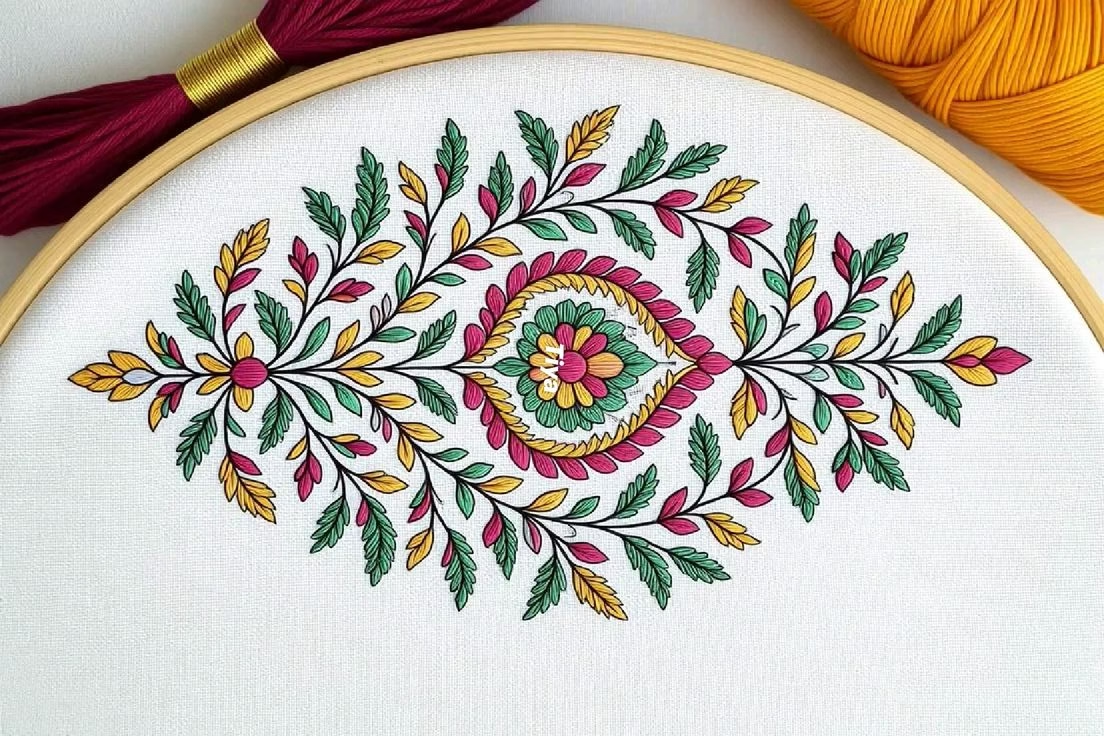
Kashida Embroidery from Jammu & Kashmir is loved for its fine stitches, elegant motifs, and detailed craftsmanship. Below is the full, beginner-friendly breakdown of how this beautiful art is created on fabrics like Pashmina, silk, wool, and cotton.
1. Selecting the Design
- The process of Kashida Work from Jammu & Kashmir begins with choosing the right design.
- Artisans usually select motifs inspired by nature—chinar leaves, vines, birds, flowers, and paisleys.
- These designs reflect the region’s landscape and cultural stories.
- Simple outlines are drawn by hand using charcoal or a washable fabric pencil.
2. Preparing the Fabric
- A soft, smooth fabric such as Pashmina or fine wool is chosen.
- The fabric is gently stretched on a small wooden frame to keep it stable while stitching.
- For delicate Kashida Embroidery from Jammu & Kashmir, the tension is kept light so the needle glides smoothly without distorting the cloth.
3. Choosing Threads and Needles
- Traditional Kashida uses single-strand wool, silk, or cotton threads.
- Thread colors are usually earthy, warm, or nature-inspired.
- Artisans select a long, thin needle that helps create precise stitches.
- For high-quality Kashida Embroidery from Jammu & Kashmir, the thread must match the softness of the fabric.
4. Creating the Outline
- The outline is the first stitching step.
- Artisans follow the drawn motifs using simple stitches like stem stitch, running stitch, or split stitch.
- The outline must be neat because Kashida relies heavily on clean borders.
- This stage sets the foundation for the filling work that follows.
5. Filling the Motifs
- Different stitches are used based on the design, such as:
- Satin stitch for smooth surfaces
- Herringbone stitch for leaf textures
- Chain stitch for curved motifs
- Darning stitch for shading
- Satin stitch for smooth surfaces
- Artisans work carefully to maintain even spacing and smooth color flow.
- Shading is done by using light and dark tones of the same color for a gradient effect.
6. Adding Fine Details
- After filling, small details are added to enhance depth.
- Tiny knots, fine outlines, and delicate shading complete each motif.
- In premium Kashida Embroidery from Jammu & Kashmir, artisans sometimes add mirror-like highlights using lighter thread shades.
7. Final Finishing
- The embroidery is checked for loose threads, uneven stitches, and gaps.
- Any small flaws are corrected with tiny adjustments.
- The piece is then lightly steamed from the reverse side to settle the stitches.
- Finally, the fabric is trimmed, folded, and prepared for use in shawls, kurtas, stoles, suits, or home décor items.
Symbols and Motifs of Kashida Embroidery
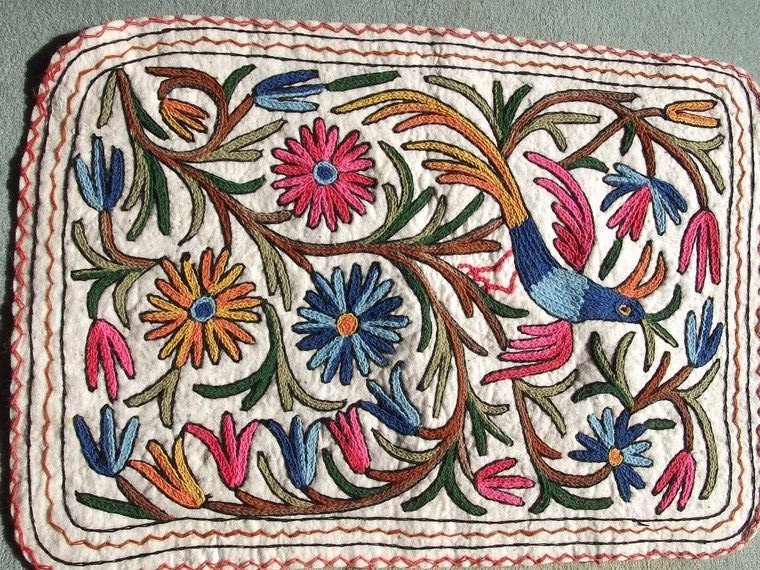
Kashida embroidery from Jammu & Kashmir is celebrated for its poetic language of motifs. Every stitch tells a story—from the mountains and gardens to the culture and beliefs of the region. Below are the most iconic motifs and their meanings.
1. Nature-Inspired Motifs
• Chinar Leaf (Booneh)
- Strongly associated with Kashida Embroidery from Jammu & Kashmir.
- Symbolizes warmth, strength, and the timeless beauty of Kashmir.
- Often used in shawls and pherans to represent the region’s identity.
• Lotus (Pamposh)
- Represents purity, spirituality, and inner calm.
- A common element in Kashmiri lakes, making it a natural inspiration for Kashida artisans.
- Often placed at the center of designs for a balanced aesthetic.
• Vine & Creeper Patterns
- Symbolize growth, continuity, and connection with nature.
- These flowing lines are a signature part of Kashida Embroidery from Jammu & Kashmir, giving designs a graceful movement.
2. Floral Motifs
• Almond Blossom (Badam)
- A symbol of good fortune and happiness.
- Represents the arrival of spring and new beginnings.
- Often found in dense, all-over Kashida patterns.
• Rose (Gulab)
- Signifies love, beauty, and tenderness.
- Adds softness and elegance to shawls and sarees.
• Tulip (Laleh)
- Inspired by Mughal influence in Kashmir.
- Symbolizes royalty and sophistication.
- Very popular in needlework regions around Srinagar.
3. Bird & Animal Motifs
• Kingfisher & Sparrow
- Birds represent freedom, joy, and the harmony of nature.
- Commonly stitched in bright threads to add life to the embroidery.
• Deer (Hangul)
- A tribute to Kashmir’s wildlife.
- Represents gentleness and natural grace.
- Gives cultural depth to Kashida Embroidery from Jammu & Kashmir pieces.
• Fish Motif
- Symbolizes prosperity, abundance, and flow of life.
- Often used in lighter, delicate versions of Kashida work.
4. Architectural & Cultural Motifs
• Jaal Patterns
- Inspired by Mughal garden layouts.
- Represent symmetry, balance, and artistic order.
- A repeated highlight in many Kashida Embroidery from Jammu & Kashmir designs.
• Paisley (Kairi / Ambi)
- A major cultural motif across the region.
- Symbolizes fertility, luck, and the cycle of life.
- Seen in high-value Kashida shawls and bridal wear.
• Houseboats & Traditional Windows
- Reflect daily Kashmiri life and heritage.
- Add storytelling elements to modern Kashida compositions.
5. Spiritual & Symbolic Motifs
• Sun Motif
- Represents positivity, energy, and new beginnings.
- Often added in subtle ways to enrich the fabric.
• Star & Geometric Patterns
- Symbolize guidance, ambition, and cultural harmony.
- Bring structure to designs made in the signature Kashmiri aesthetic.
Global Statistics on Kashida Embroidery
- 2020–21: Total exports of crafts from Kashmir were about ₹ 635.52 crore.
- 2021–22: Exports dropped to ≈ ₹ 563.13 crore, reflecting a pandemic-induced slump in global trade. Kashmir Life+1
- 2022–23: Strong recovery: exports rose to ≈ ₹ 1,116.37 crore.
- 2023–24: Export value peaked at ≈ ₹ 1,162.29 crore, showing growth in global demand for authentic handicrafts, including embroidery-based products.
- 2024–25 (first three quarters): Combined two-year export from Kashmir’s handicraft & handloom sector reached ₹ 2,567 crore, with projections to touch ~₹ 3,000 crore by end of the fiscal year.
Global handicraft market context (incl. embroidery/textiles)
The global handicraft market size (textile, embroidery, and other crafts) is estimated at ~USD 944.5 million in 2025 and projected to grow to ~USD 2,050.8 million by 2034 at ~9.0% CAGR.
Insights: growth since 2022 suggests a rising global interest in artisanal, traditional crafts (like Kashida embroidery). Kashmir’s handicraft export revival after pandemic disruption hints at improving global market conditions and demand.
Wrapping-Up
Kashida Embroidery from Jammu & Kashmir stands as a reminder of how art, culture, and everyday life blend into a single expressive craft. Its delicate stitches, nature-inspired motifs, and soothing color palettes keep the essence of Kashmir alive in every thread.
More than a textile tradition, it represents patience, precision, and the quiet elegance of handmade work. Today, even as fashion evolves, Kashida continues to hold its charm – adapting beautifully to modern designs without losing its roots.
The enduring appeal of Kashida Embroidery from Jammu & Kashmir lies in its ability to honor heritage while remaining relevant, making it a timeless treasure cherished across generations.
Also Read:
Kasuti Embroidery vs Lambani Embroidery of Karnataka
Sanganeri Print VS. Dabu Print from Rajasthan

Leave a Reply