
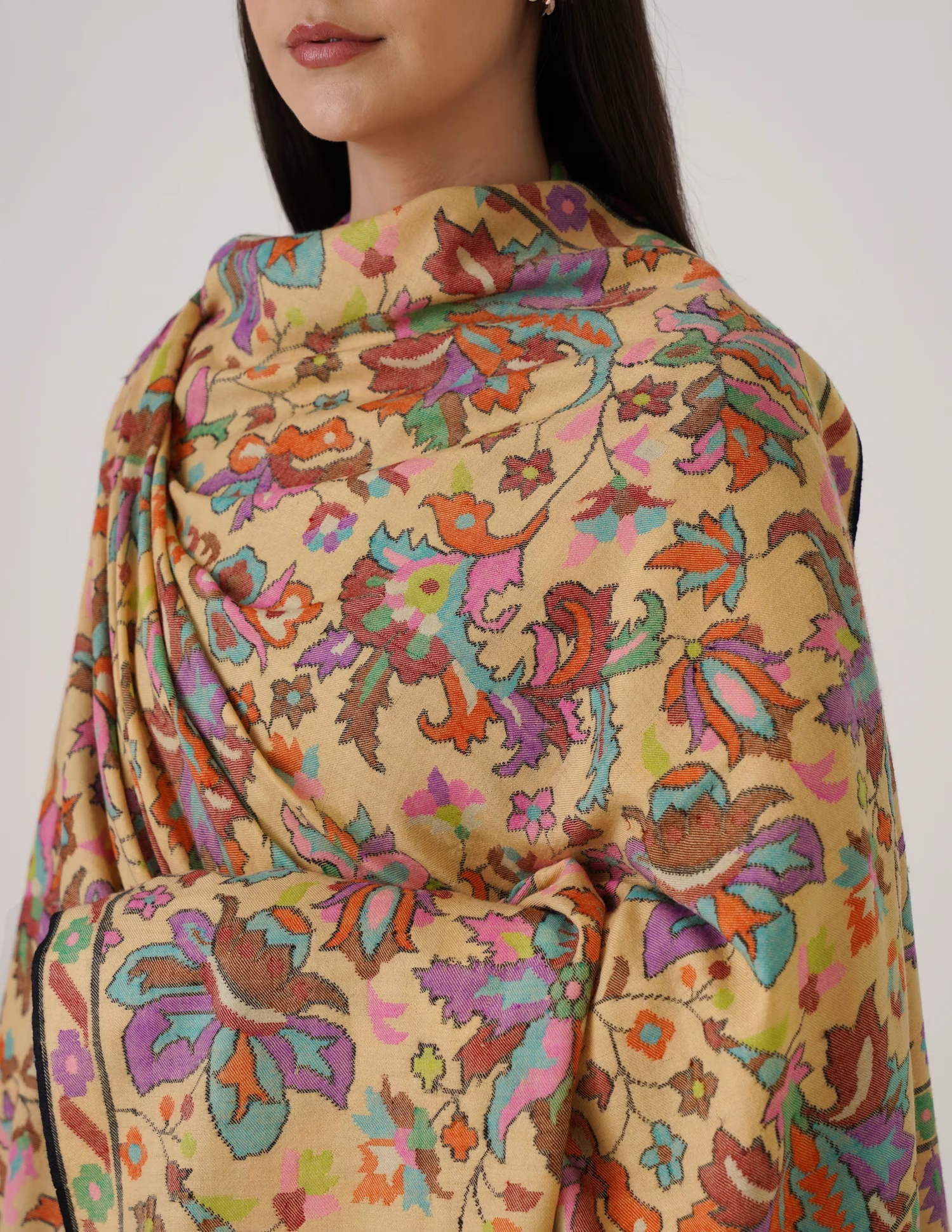
Ever wondered how a single shawl can take months, sometimes even a year to finish? That’s the magic of the Kani Weave from Jammu & Kashmir. This isn’t just fabric; it’s a slow, soulful art form woven in the heart of the Kashmir Valley.
Instead of a regular shuttle, artisans use tiny wooden bobbins called kanis, sometimes hundreds of them at once to build every motif, thread by thread. They follow a hand-drawn pattern guide known as the Taleem, which works like an ancient blueprint for the design.
The result? A masterpiece rich with Mughal-inspired paisleys, flowing vines, and delicate florals each one carrying the warmth, patience, and legacy of Kashmiri artisans. No two Kani pieces are ever the same, and that’s exactly why they’re cherished across the world for their beauty and cultural depth.
Historical Background and Cultural Origins
3rd–7th Century CE – Early wool weaving traditions develop in Kashmir, influenced by Silk Route exchanges. The foundation of patterned shawl-making begins during this period.
14th Century – Persian artisans and Sufi scholars arrive in Kashmir, introducing new motifs, color palettes, and weaving philosophies that later shape Kani designs.
15th Century (Zain-ul-Abidin’s Reign) – The Kani technique begins taking a recognizable form. The introduction of taleem (coded pattern charts) and fine pashmina yarn marks the rise of structured shawl weaving.
16th–17th Century (Mughal Era) – Kani weaving reaches its cultural peak. Emperor Akbar becomes a major patron, making these shawls symbols of prestige. Paisleys, floral meanders, and chinar motifs flourish.
18th–19th Century – Kani shawls become prized luxury items across Europe and Central Asia. Exports surge, inspiring French and British imitations.
20th Century to Present – Despite industrial competition, Kani weaving survives through artisan families in Kashmir. Today, it is globally valued for its meticulous craftsmanship and cultural heritage.
Materials and Tools Used in Kani Weaving
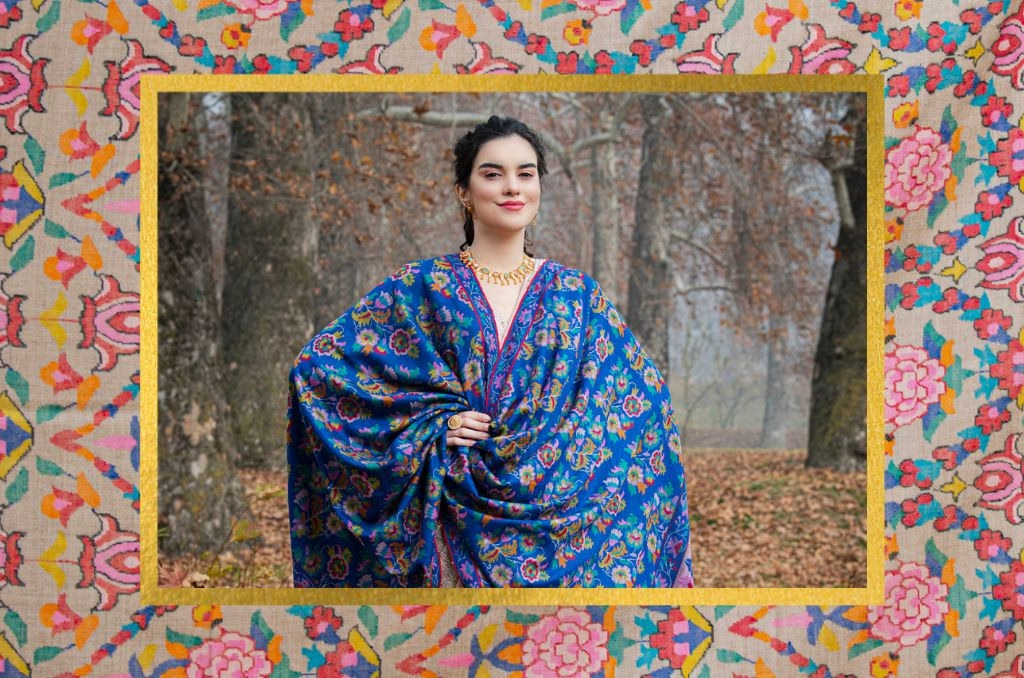
The beauty of Kani Weave from Jammu & Kashmir comes from a perfect blend of luxurious materials and traditional tools that have been part of Kashmiri craftsmanship for centuries.
Every element—from the yarn to the wooden needles—plays a vital role in shaping the final masterpiece. Below is a clear and friendly breakdown of all the materials and tools used in this heritage craft.
1. Primary Materials Used in Kani Weaving
✔ Pashmina Wool
The soul of every Kani shawl is pure Pashmina, locally known as “soft gold.”
- Sourced from the Changthangi goat of Ladakh
- Known for its warmth, softness, and lightweight texture
- Hand-spun into fine yarns by experienced women spinners
- Allows delicate, tight weaves required for detailed Kani patterns
✔ Silk Yarn (Occasionally Used)
Though rare, some contemporary Kani weaves blend silk:
- Adds sheen and a smoother drape
- Used for lighter, festive shawls
- Helps in creating more defined patterns
✔ Natural & Synthetic Dyes
To bring the designs to life, dyes are essential.
- Traditionally, organic dyes from plants, roots, and minerals were used
- Modern Kani weaving also uses AZO-free synthetic dyes
- Popular shades: saffron, crimson, walnut brown, indigo blue, soft pastels
- Each color is dyed separately and dried in the shade to protect the fiber
2. Tools Used in Kani Weaving
✔ Kani Sticks (Kanis)
These are the signature tools that give the craft its name.
- Small, eye-shaped wooden bobbins
- Traditionally made from walnut wood, known for its strength and smoothness
- Each stick holds a different colored thread
- Weavers use dozens of Kanis at once to build motifs like paisleys, florals, and chinar patterns
- They act like “color-coded pens” guiding the design row by row
✔ Wooden Handloom (Tradi)
A traditional frame loom used across Kashmir.
- Completely manual, no mechanical parts
- Allows tight control over the weave density
- The width of the loom matches the shawl size
- Helps maintain uniform tension throughout the weaving process
✔ Talim Pattern Guide
The most unique tool of Kani weaving.
- A coded pattern chart written in a symbolic language
- Tells the weaver exactly which color goes where
- Works like a “map” for complex designs
- Often prepared by a specialist known as a Talim Guru
- Passed down through generations to preserve motifs accurately
✔ Shuttles & Beaters
Used along with the Kani sticks for structure:
- Shuttles hold the base yarn for the warp
- Beaters help tighten each row of the weave
- Ensures a balanced, strong, and long-lasting fabric
Step-by-Step Process of Creating a Kani Shawl
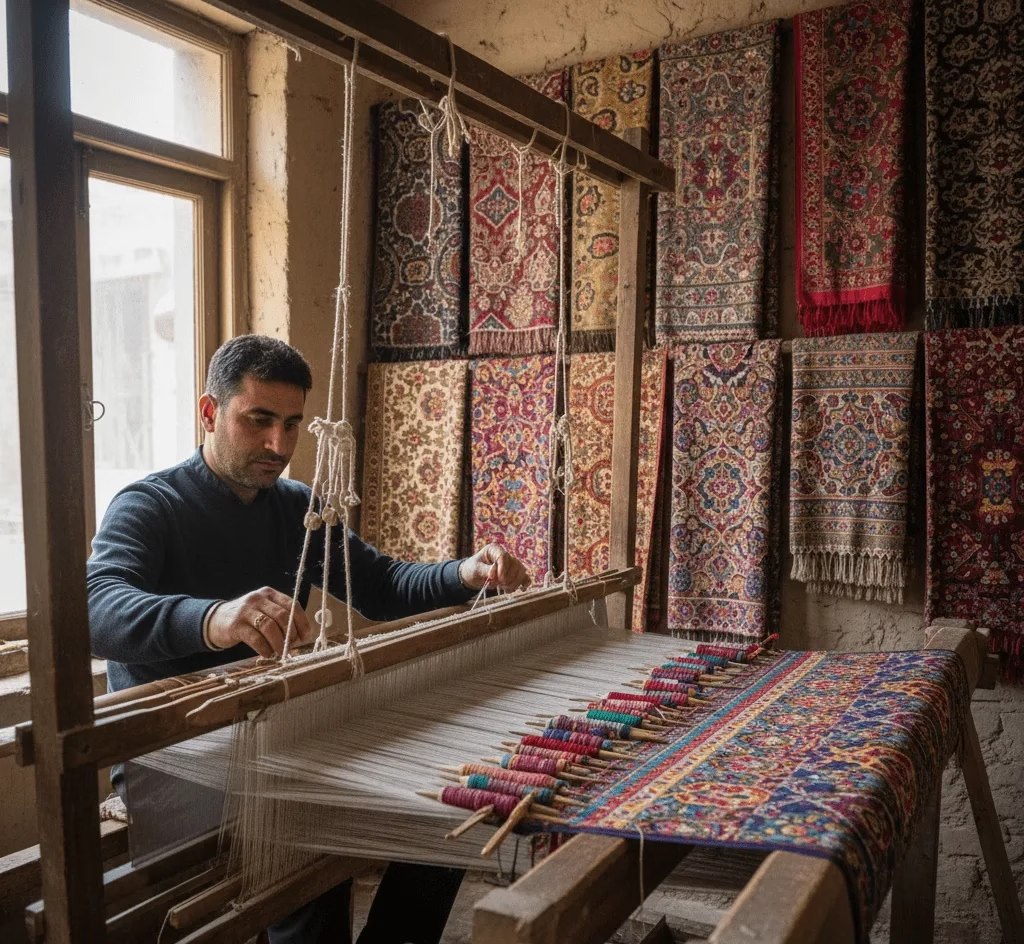
Creating a Kani Shawl from Jammu & Kashmir is a slow, artistic, and skill-heavy process. Every step reflects the patience and mastery of Kashmiri artisans who transform threads into heirloom pieces. Below is a simple, friendly breakdown of how a Kani Shawl is made.
1. Designing the Pattern (Talim Creation)
Before any weaving starts, the design must be perfectly planned.
- A special coded pattern called Talim is created by master designers.
- The Talim contains symbols, color codes, and written instructions.
- These codes tell the weaver exactly how many threads and colors to use.
- The Talim acts as a “language” between the designer and the weaver, ensuring accuracy in motifs like paisleys, florals, vines, and chinar leaves.
This step sets the foundation for the entire artwork.
2. Preparing the Loom
Once the design is ready, the loom is set up.
- A traditional wooden loom is cleaned and tightened.
- Long warp threads (usually fine wool or pashmina) are stretched vertically.
- These threads must stay uniformly tight to avoid design distortion.
- The loom setup can take several days depending on shawl size.
A perfectly prepared loom guarantees a smooth weaving process.
3. Setting Up the Kani Sticks (Wooden Bobbins)
Kani weaving uses small wooden sticks called Kani or Tujis instead of a shuttle.
- Each Kani stick carries a different colored thread.
- Depending on the complexity of the pattern, a weaver may use dozens of Kani sticks at once.
- Every Kani stick corresponds to a color and position mentioned in the Talim code.
This makes the shawl more like a painting done with threads.
4. Starting the Weave – Row by Row
Now the real magic begins.
- The weaver follows the Talim instructions line by line.
- Each row is woven by passing the right Kani stick between warp threads.
- The weaver locks threads with gentle pressure to keep the weave tight and smooth.
- This process is very slow because the shawl is woven motif by motif, not continuously.
It’s one of the reasons Kani shawls take months to complete.
5. Building Motifs and Borders
As weaving progresses, motifs begin to appear.
- Floral vines, paisleys, chinar leaves, and Persian-inspired borders slowly take shape.
- Colors are blended using multiple Kani sticks to create shading effects.
- Each elaborately woven motif can take several days.
Every detail contributes to the richness of the final design.
6. Finishing the Shawl
After months of weaving, the shawl is carefully removed from the loom.
- Loose threads are trimmed neatly.
- The shawl is lightly washed to settle the fibers.
- It is then pressed to achieve a polished, smooth finish.
The finished Kani shawl is soft, luxurious, and visually stunning.
Symbols and Motifs of a Kani Shawl
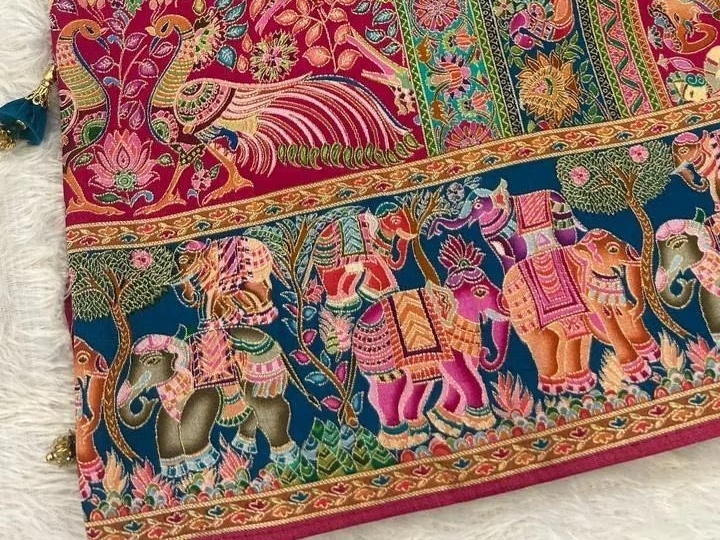
The motifs of a Kani shawl are one of the most admired elements of the Kani Weave From Jammu & Kashmir. Each motif is designed with precision using “tujis”—the tiny wooden bobbins that guide color changes.
These motifs are not just decorative; they carry stories of Kashmiri landscapes, traditions, and cultural heritage. Below is a detailed and easy-to-read breakdown of the most iconic symbols and motifs seen in authentic Kani shawls.
1. Paisley (Kairi / Buta Motif)
- The paisley is the signature symbol of Kani weaving, often seen in single, double, or flowing patterns.
- It represents fertility, eternity, and the eternal flow of life.
- Kani artisans weave paisleys in layered color tones to create depth and richness.
- These motifs can cover the entire shawl or appear as elegant borders.
2. Chinar Leaf Motif
- Inspired by the majestic chinar trees of Kashmir, this motif holds emotional and cultural importance.
- The chinar symbolizes warmth, change, and the beauty of all four seasons.
- It is often woven in fiery reds, golds, and browns to reflect the autumn landscapes of the Valley.
- Chinar patterns add a bold, regal feel to Kani shawls.
3. Floral Vines and Jaal Patterns
- Floral vines, creepers, and jaal-style networks are the soul of many Kani designs.
- They reflect Kashmir’s lush gardens, springs, and the famous Mughal landscape influence.
- These motifs create fluid, continuous designs that appear graceful and timeless.
- Jaal patterns can range from thin, delicate lines to dense, elaborate grids.
4. The Tree of Life Motif
- One of the most spiritually symbolic designs in Kani weaving.
- Represents growth, protection, continuity, and prosperity.
- Often features interconnected branches filled with flowers, birds, and leaves.
- This motif transforms a Kani shawl into a storytelling piece filled with movement and meaning.
5. Bird and Nature Motifs
- Birds such as sparrows, bulbuls, and peacocks appear subtly within floral arrangements.
- They symbolize freedom, joy, and the natural harmony of the Kashmiri landscape.
- When paired with flowers or vines, they create dreamlike, artistic scenes.
- These motifs are loved for their delicate beauty and emotional charm.
6. Geometric Borders
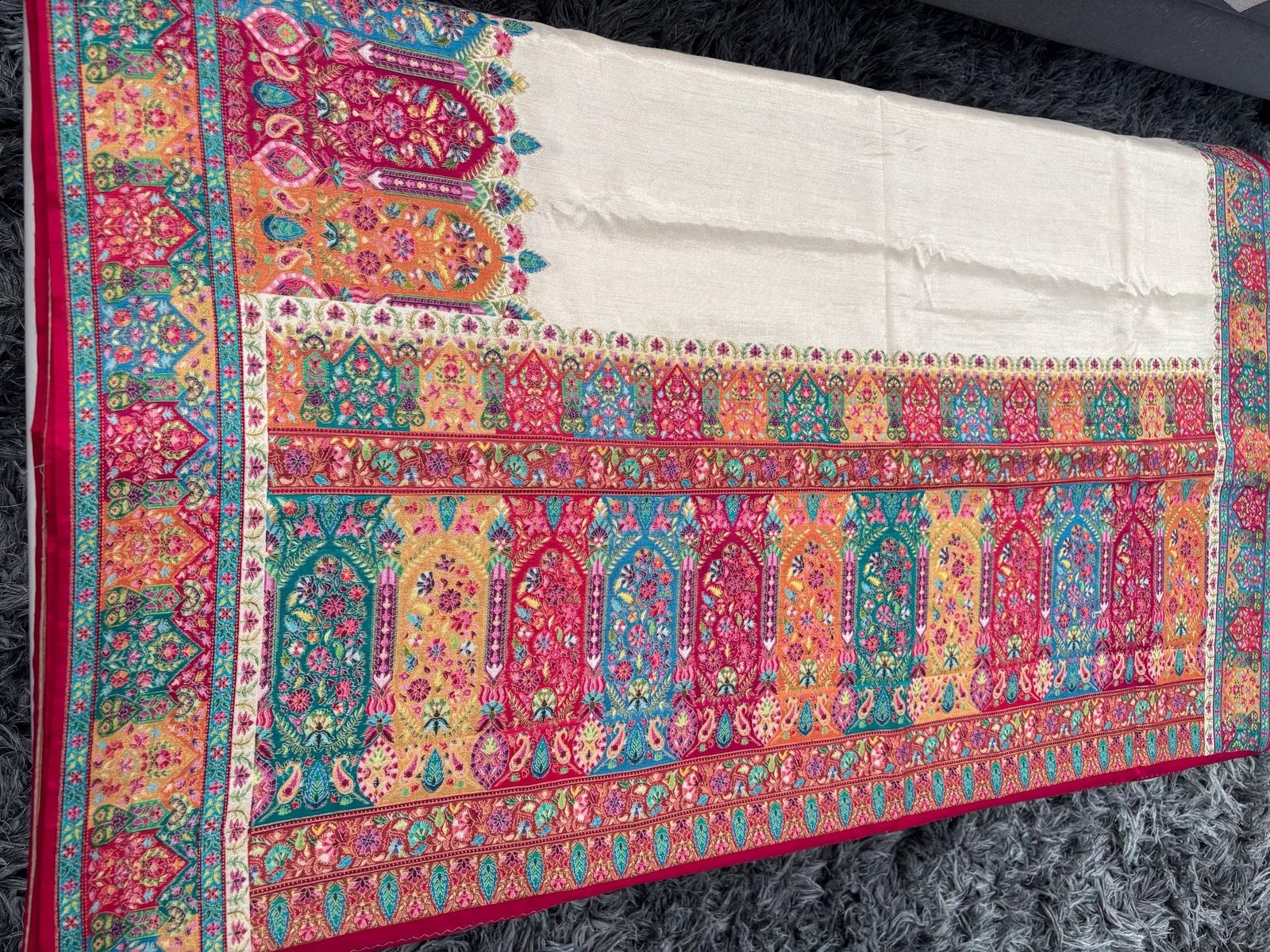
- Straight-line borders, zigzags, diamonds, and small geometric blocks frame the shawl.
- They bring balance to the flowing floral designs and highlight the outer edges.
- These borders showcase the precision and mathematical rhythm of the Kani loom.
7. Multi-Motif Compositions
- Many Kani shawls combine paisleys, florals, leaves, and jaal patterns in one unified design.
- These compositions create visually rich storytelling surfaces that feel both traditional and luxurious.
- The careful mix of motifs reflects the artisan’s creativity and mastery.
Global Market and Statics of Kani Weave
- Global Kani Shawl exports are tracked across 200+ countries and 150+ Indian ports (sea, air, ICDs & SEZs).
- Export records include HS Code classification, shipment value (FOB/CIF), quantity, port of origin/destination, and buyer-supplier details.
- The USA, Europe, and Middle East remain the largest importers of Kashmiri Kani Shawls.
| Metric | Value |
| Export Value (Handicrafts & Handlooms, incl. Kani Weave) | ₹2,567 crore (last 2 fiscal years) |
| Projected Export Value (FY 2025) | ₹3,000 crore |
| Countries in Global Trade Data | 200+ |
| Indian Ports Handling Kani Exports | 150+ |
| Major Import Destinations | USA, Europe, Middle East |
Wrapping-Up the Whole Story
The Kani Weave From Jammu & Kashmir stands as a beautiful reminder of how tradition, patience, and artistry come together to create something timeless. Every Kani shawl carries the touch of skilled artisans who follow age-old techniques passed down through generations.
From the tiny wooden kanis to the detailed motifs inspired by nature, each piece reflects the true soul of Kashmiri craftsmanship.
Today, as more people appreciate handmade textiles, the Kani Weave From Jammu & Kashmir continues to shine as one of India’s finest heritage crafts. Preserving this art form not only supports artisans but also helps keep a precious cultural legacy alive for future generations.
Also Read:
Pipli Appliqué Lampshades for Modern Living Rooms

Leave a Reply