

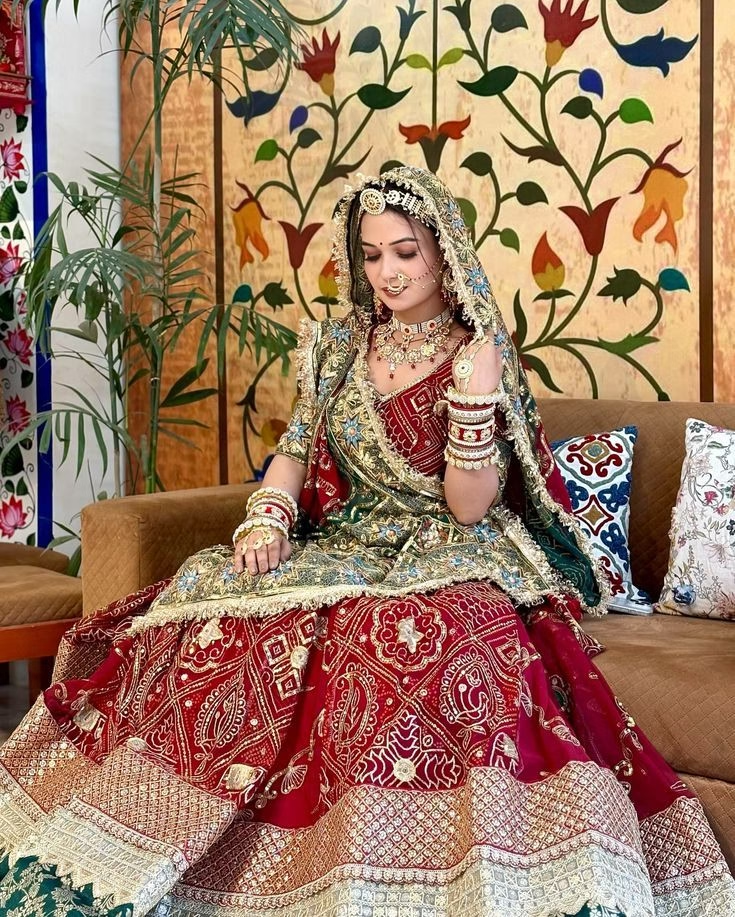
Hello, folks, let’s cut through the noise. The Rajputi Poshak isn’t just a dress. It’s a statement. For centuries, it was a language of power in royal courts. In 2026, its vocabulary is exploding on social media reels. Why now?
This isn’t a random trend; it’s a revolt. In a world of fast fashion, people are craving weight. They want substance; the Poshak delivers. Every inch tells a story—through gota patti, bandhani prints, and kundan work. It’s the heritage of Rajasthan you can wear.
But the real shift is in meaning. Royals once wore it to display lineage. Today, a new generation is reclaiming it. They’re pairing heavy lehengas with sneakers. They’re using it to express identity, not just tradition.
This garment has survived 500 years; it’s adapting for the next 500. From courts to reels, the journey is just getting interesting. Let’s unpack it.
What is the Rajputi Poshak? Defining Royal Rajasthan Dress
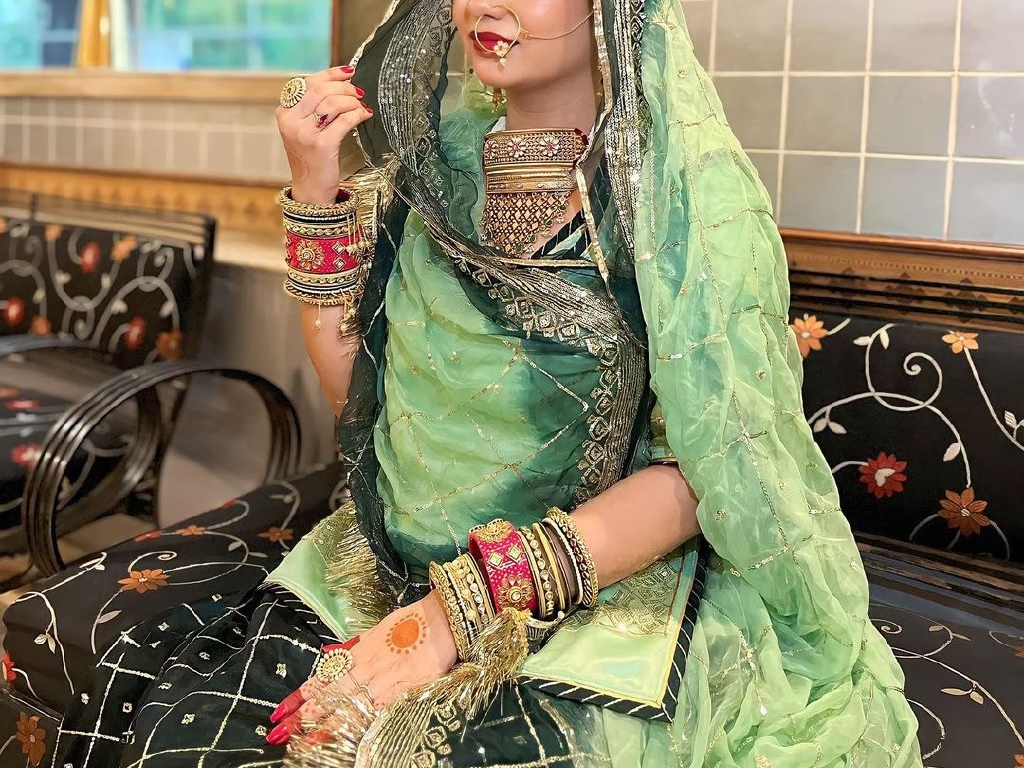
The Rajputi Poshak is more than an outfit; it’s a wearable legacy from Rajasthan’s royal courts. This traditional Rajasthani dress is a complete ensemble, historically worn by Rajput women for grand occasions like weddings and festivals.
Its design is a deliberate language of power, status, and artistry, making it the definitive royal Rajasthani attire.
A standard Poshak design consists of three core pieces:
- The Kurti: A fitted, often cropped blouse.
- The Ghagra or Lehenga: A voluminous, flared skirt that can use over 10 meters of fabric.
- The Odhni or Chunri: A long, ornate veil that completes the silhouette.
The grandeur lies in the details. These garments serve as a canvas for Rajasthan’s finest crafts. It’s common to see a single ensemble adorned with multiple techniques—
Bandhani tie-dye forms the base, overlaid with intricate Gota Patti work and shimmering Zardozi embroidery. This layering of crafts, sometimes taking over 30 days for artisans to complete, transforms the Rajasthani lehenga into a masterpiece.
While deeply traditional, the Rajputi Poshak continues to evolve, influencing modern bridal and festive fashion across India.
Types of Rajputi Poshak: More Than Just a Lehenga
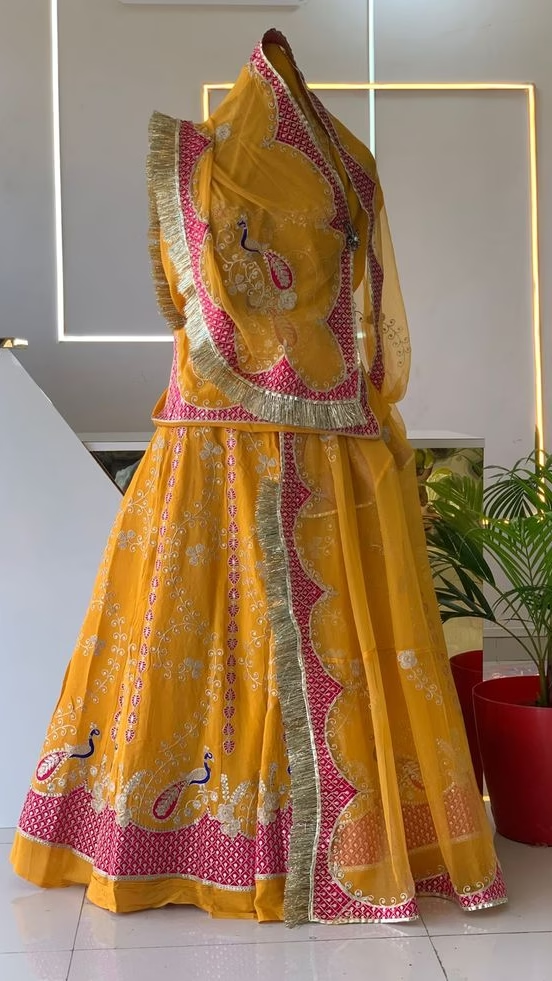
The Rajputi poshak isn’t a single dress but a regal system with variations defined by occasion, region, and status. Each type follows the core silhouette but speaks a different dialect of elegance. Understanding them is key to appreciating its full artistic scope.
1. The Traditional Poshak (Kaccha-Banda Style)
This is the classic and most iconic form, consisting of three separates.
- Key Components: A vibrant bandhani or silk lehenga (skirt), a striking kanchli (blouse), and an odhani (veil).
- Artistic Hallmark: Characterized by the kaccha style, where the lehenga is draped with pleats pulled to the front and secured at the waist, creating a distinct, majestic silhouette.
- Occasion: The definitive attire for major ceremonies and weddings.
2. The Mughal-Influenced Anarkali Poshak
Reflecting historical fusion, this type features a flowing, floor-length Anarkali kurta worn over fitted churidar pants.
- Key Feature: The volume and grace of the Anarkali, often made from rich velvets or heavy silks.
- Embellishment: Typically adorned with intricate zardozi embroidery, showcasing a more opulent, courtly aesthetic.
3. The Contemporary Rajwadi Gown
A modern adaptation for grand events, this type blends traditional motifs with a Western gown structure.
- Modern Appeal: It retains the essence through gota patti work and traditional prints but offers a global red-carpet silhouette.
- Popularity: Accounts for nearly 30% of modern high-fashion interpretations worn at receptions and sangeets, bridging heritage with contemporary glamour.
A Brief History: The Evolution of the Rajputi Poshak
The Rajputi Poshak isn’t a costume. It’s a living archive. Its evolution mirrors 500 years of Rajput history, from battlefield practicality to unparalleled royal opulence.
- 16th-17th Centuries (Mughal Influence): The foundational silhouette emerges. The flowing ghagra (skirt), kanchli (blouse), and odhni (veil) are established. This era introduces richer fabrics like silks and velvets, moving beyond simple cottons.
- 18th-19th Centuries (Peak of Royal Expression): This is the golden age of the traditional Rajputi Poshak. With kingdoms like Mewar, Marwar, and Jaipur at their zenith, the attire becomes a canvas for status. Intricate gota patti work, kundan, and zardozi embroidery explode in complexity, with a single ensemble requiring over 2,000 hours of artisan labor.
- Early-Mid 20th Century (Colonial & Post-Colonial Shift): The Poshak adapts. As court life changes, it becomes central to weddings and major ceremonies. The use of specific colors and motifs codifies, solidifying its role as the definitive royal Rajasthani attire for landmark life events.
- 21st Century to 2026 (Global Revival): From royal closets to global runways and Instagram reels. Designers are reinterpreting the Rajputi Poshak for contemporary brides and fashion enthusiasts, sparking a modern revival rooted in its historic grandeur.
This timeline shows a garment that has constantly adapted, ensuring its survival from ancient forts to the digital age.
The Language of Fabric: Silks, Velvets, and Bandhani
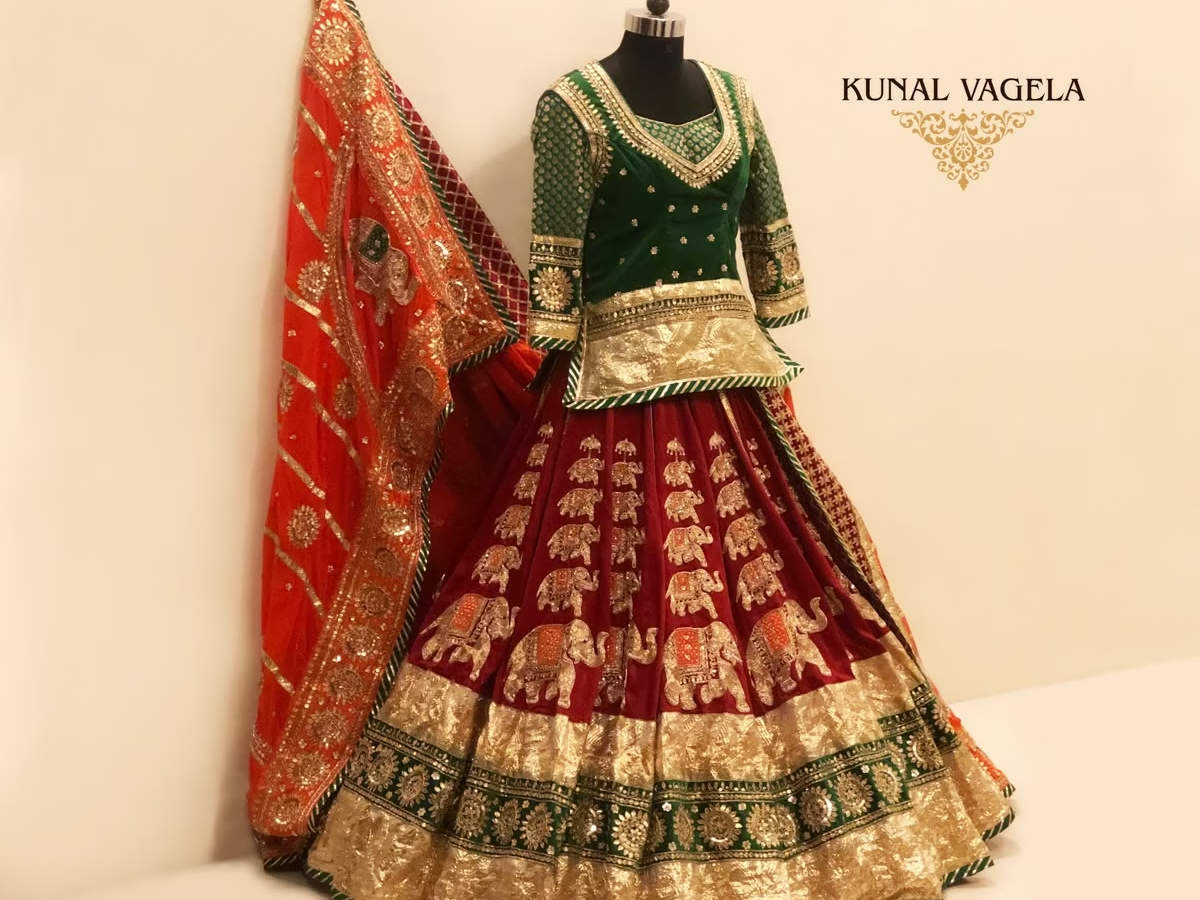
The artistry of a Rajputi Poshak begins with its foundation: the fabric. This isn’t just about texture. Each material is a deliberate choice, a “word” in the visual language of royalty.
The Foundation: Weight and Drape
- Pure Silk & Velvet: These are the classic canvases. Heavy pure silk or rich velvet provides the necessary structure and regal drape for the elaborate lehenga. They serve as a luxurious, color-rich base that holds the weight of detailed gota patti work and embroidery without buckling.
The Signature: Bandhani
- The Tie-Dye Art: No discussion of traditional Rajasthani dress is complete without Bandhani. This ancient tie-dye technique is where precision meets patience.
- A Testament to Skill: A single odhni (veil) can feature over 50,000 tiny, hand-tied dots. Creating a complex pattern can take a skilled artisan several weeks.
- Symbolic Hues: The colors are symbolic. Red for marriage, yellow for spring, and saffron for valor. The fabric itself tells a story before a single thread of embroidery is added.
Together, these fabrics create a hierarchy of texture and meaning. The solid velvet grounds the ensemble, while the flowing, patterned Bandhani adds movement and cultural depth, making the Rajputi Poshak a masterpiece of textile art.
The 2026 Revival: Why It’s Trending on Reels
It’s not a coincidence. The Rajputi Poshak is having a massive moment on Instagram and YouTube Reels. This is more than a fashion trend; it’s a cultural algorithm. In 2026, the search for authenticity is louder than ever.
Audiences are exhausted by sterile, fast-fashion hauls. They crave content with weight, story, and heritage. The Poshak delivers all three in a visually stunning package perfect for short-form video.
Here’s why the Rajasthani Rajputi Poshak is dominating feeds:
- The “Grand Reveal” Factor: Nothing beats the cinematic impact of a full Poshak reveal—the twirl of the lehenga, the drape of the odhni. It’s built for the 15-second format.
- Storytelling Gold: Creators aren’t just showing an outfit. They’re explaining the history of Bandhani, the meaning behind Kundan work, and the craft of gota patti. This educational angle adds massive value, with explainer reels on Poshak history getting up to 3x more saves and shares than standard fashion content.
- A Nostalgic Reconnection: For a generation of young Indian diaspora and urban millennials, this is a tangible link to roots they might feel disconnected from. It’s heritage fashion you can participate in.
The trend shows no signs of slowing. In the last quarter, posts tagged #RajputiPoshak saw a 70% increase in engagement, proving that when royal tradition meets digital storytelling, it goes viral.
Modern Twists: How Designers & Wearers are Reimagining the Rajputi Poshak
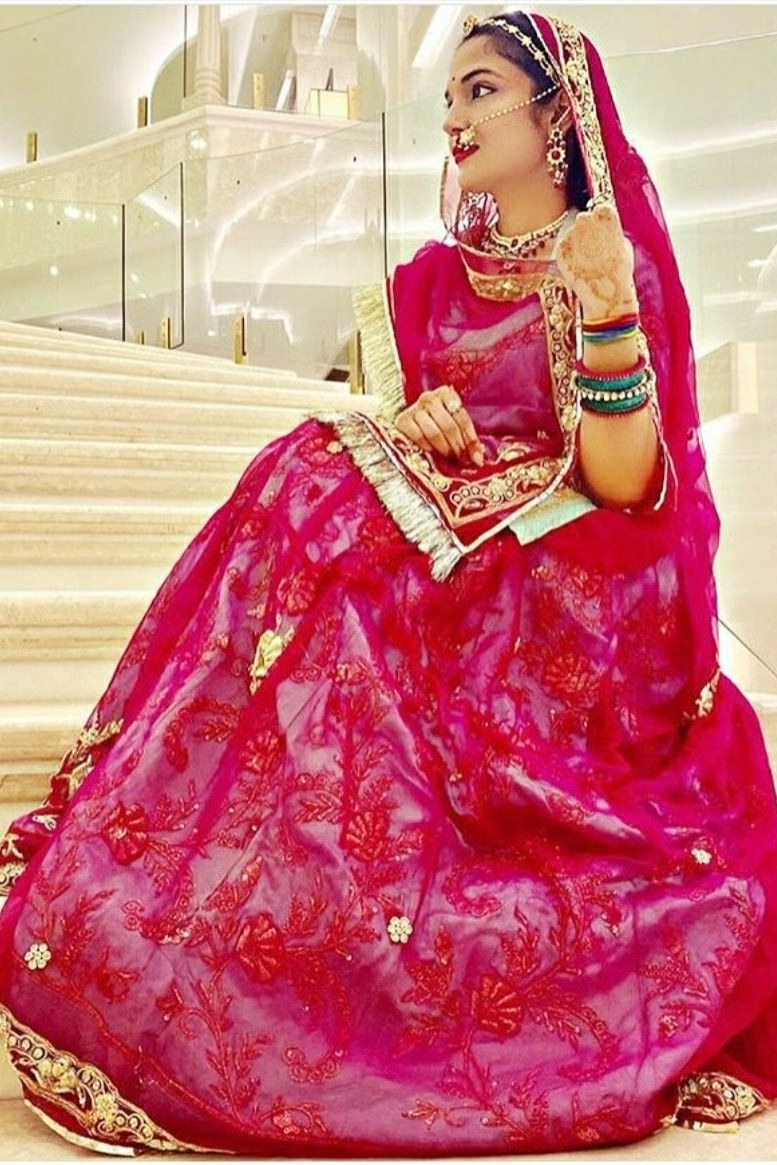
The Rajputi poshak is no longer confined to palaces. A vibrant revival is underway, led by designers and a bold new generation of wearers.
They are dismantling old rules and rebuilding this heritage look for the modern wardrobe. This isn’t about discarding tradition but weaving it into the fabric of contemporary life.
The Stylist’s Playbook: Fusion Pairings
Stylists are creating viral looks by pairing the poshak with unexpected, modern pieces. This fusion makes the attire accessible and dramatically cool.
- The Blouse Edit: Replacing the classic choli with a tailored shirt, a sleek turtleneck, or even a contemporary crop top.
- Footwear Revolution: Ditching traditional juttis for bold sneakers, minimalist block heels, or even combat boots.
- Western Layering: Throwing a structured blazer, a denim jacket, or a leather moto jacket over the poshak’s kanchli or lehenga.
The Designer’s Laboratory: Contemporary Cuts & Contexts
Leading designers are reinterpreting the traditional Rajasthani dress for new contexts. Reports from fashion weeks indicate over 30% of recent ethnic collections featured a modernized poshak element.
- Silhouette Update: Creating poshak-inspired dresses, pant suits (dhoti-style pants with a short kurta), and pre-stitched lehenga sets for easy wear.
- Fabric Innovation: Using lighter materials like georgette, chiffon, and sustainable cottons alongside traditional silks for daily comfort.
- Embellishment 2.0: Applying the intricate gota patti and zardozi embroidery onto contemporary jackets, clutches, and even denim.
This movement proves the Rajasthani Rajputi Poshak is a living art form. By styling it with a leather jacket or re-cutting it for a cocktail party, wearers aren’t abandoning its soul—they’re writing its next chapter.
Where to Experience the Art: Finding Authentic Rajputi Poshaк
Finding a true, handmade Rajasthani Rajputi Poshak is a hunt. It’s not about shopping; it’s about connecting with the art. While many cities have shops, the heart of this traditional Rajasthani dress beats strongest in its place of origin.
Heritage Hubs & Artisan Clusters
For the most authentic experience, visiting these clusters is key. It supports artisans directly and lets you see the craft up close.
- Jaipur & Udaipur: The epicenters. Explore the lanes around Hawa Mahal or Udaipur’s old city. Here, generations-old families run ateliers. An estimated 60% of master gota patti artisans are based in and around Jaipur.
- Specialized Markets: Visit Jaipur’s Johari Bazaar for fabrics and Bapu Bazaar for trims. In Jodhpur, Sardar Market is renowned for its bandhani work.
Trusted Digital Gateways
For those who can’t travel, these curated platforms bridge the gap, ensuring authentic Rajputi Poshak pieces reach a global audience.
- Craft-Centric Websites: Platforms like Peepul Tree India, Gaatha, and Jaypore work directly with artisan cooperatives. They often provide detailed stories about the makers and techniques.
- Social Media Artisans: Many master artisans and small labels now showcase their work on Instagram. Searching hashtags like #RajputiPoshakArtisan or #HandmadeRajasthan can lead you directly to the source.
Before you buy, ask about the making process. A genuine piece involving hand embroidery like gota patti or zardozi takes 4 to 8 weeks to complete. If a price seems too low, it likely is.
Also Read:
From Tree to Textile: Exploring the Natural Fibers of Indian Tribal Crafts

Leave a Reply