

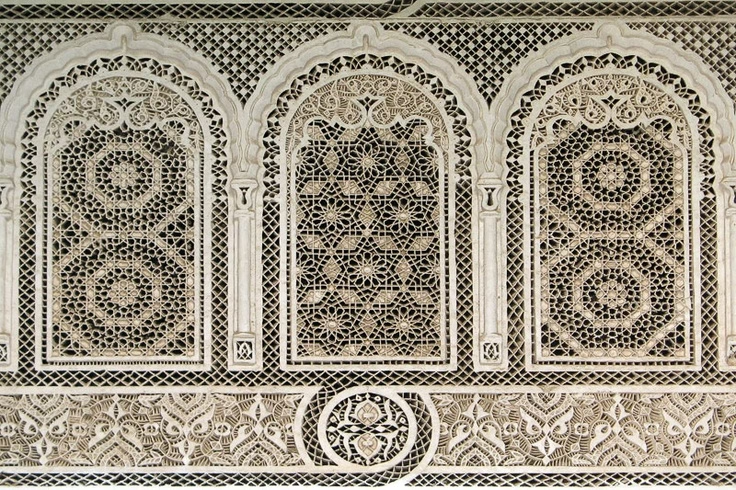
Hello folks! Have you ever noticed sunlight streaming through a carved stone screen? The patterns dancing on the floor instantly catch your eye. That’s the magic of Jaali carvings.
These delicate screens are everywhere—from northern forts to southern temples, from Mughal mosques to regional shrines. They are not just decoration. They are a play of light, shadow, and architecture.
What’s amazing is how Jaali bridges Islamic and Hindu architectural traditions. In temples, you see floral designs, divine motifs, and geometric patterns. In mosques, intricate arabesques and calligraphy dominate. Every cut and curve reflects centuries of skill and artistry.
Jaalis are functional too. They filter sunlight, allow airflow, and create private spaces—all while telling a story in stone. They are timeless art that connects culture, faith, and craft.
Ready to explore this intricate world of stone art? Let’s begin!
What Are Jaali Screens? Understanding the Basics of Indian Stone Carving
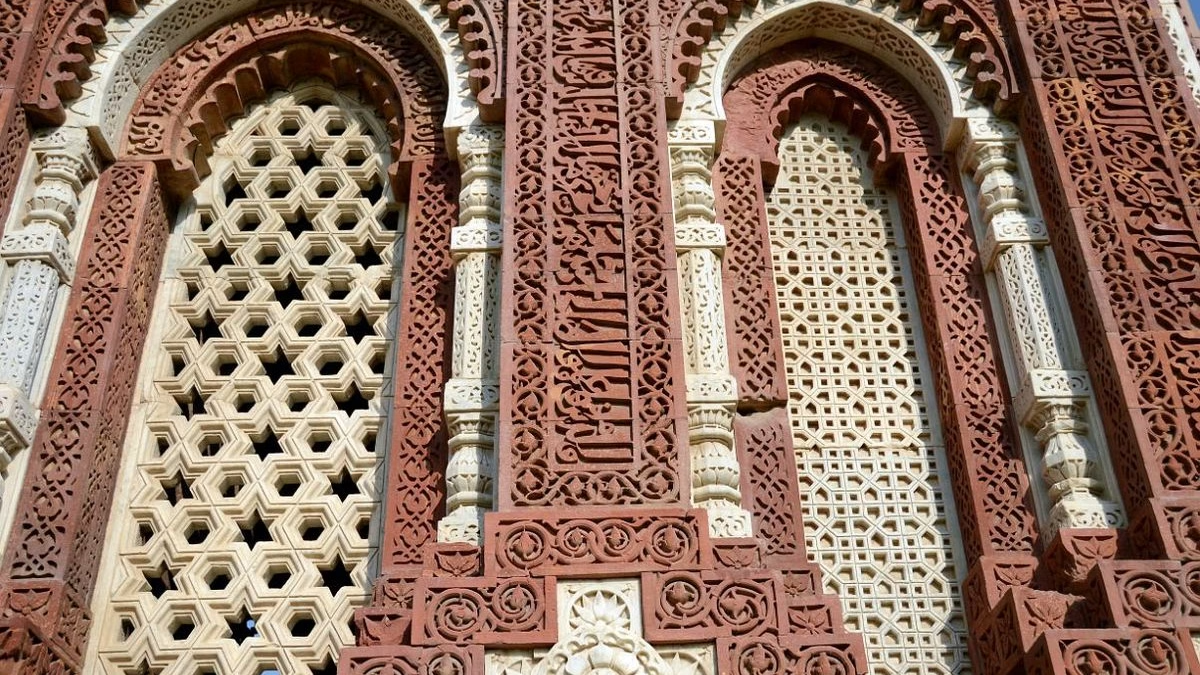
Have you ever walked into an old palace or temple and noticed a wall that looks solid—but then sunlight sneaks through tiny openings to create magical patterns on the floor? That, my friends, is a Jaali screen at work. Pretty cool, right?
So, what exactly is a Jaali? In simple words, it’s a perforated stone or wood screen carved with patterns. Think of it as art and function combined. The patterns can be geometric, floral, or even depict gods and mythological stories. But here’s the kicker—it’s not just decoration. Jaalis are designed to let light in, create airflow, and sometimes even maintain privacy in homes and sacred spaces.
Let’s break it down a bit:
- Material and Technique
- Most Jaalis are carved from sandstone, marble, or teakwood.
- Artisans use chisels and hand tools, often spending weeks on a single panel.
- The process is slow, careful, and requires insane precision.
- Patterns and Design
- Geometric shapes for symmetry and spiritual meaning.
- Floral designs inspired by nature—think lotuses, vines, and creepers.
- Religious motifs—sometimes gods, sometimes symbolic representations of divinity.
- Function Beyond Beauty
- Allows air circulation, especially in hot Indian climates.
- Controls sunlight, reducing glare inside homes or temples.
- Provides privacy without blocking the connection to the outside world.
Pretty fascinating, right? These screens have been around for centuries, bridging art, architecture, and functionality in one go. So next time you see sunlight streaming through a carved stone, ask yourself—how did someone create this without modern tools? Mind-blowing!
Jaali in Temples: Floral Patterns, Divine Motifs, and Spiritual Significance
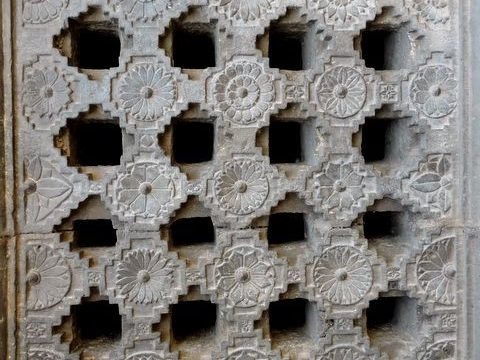
Temples across India are treasure troves of Jaali craftsmanship. These stone or wood screens do more than decorate—they tell stories. Every cut, curve, and motif carries symbolic meaning and reflects centuries of devotion.
Floral Patterns:
- Lotus, vines, and creepers dominate, symbolizing purity, growth, and life.
- These motifs are often carved around sanctums, entrances, and windows to create ritualistic framing for worshippers.
- Flowers invite a sense of calm and focus, enhancing meditation and prayer.
Divine Motifs:
- Screens often depict gods, mythological scenes, or sacred symbols.
- Each Jaali panel acts like a mini storytelling canvas, connecting devotees with legends and spiritual teachings.
- Placement matters—screens around the sanctum guide both light and gaze toward the deity.
Spiritual Significance:
- Jaalis balance openness and privacy, letting devotees observe rituals without disturbance.
- Light filtering through patterns symbolizes divine presence.
- In many temples, these screens are considered sacred thresholds, a subtle reminder that every detail in architecture has meaning.
Jaali in Islamic Architecture: Geometry, Calligraphy, and Arabesques
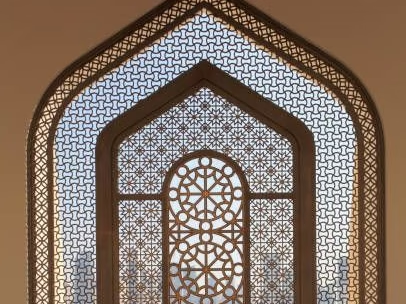
Islamic monuments across India showcase Jaali screens as both art and devotion, using patterns and inscriptions to inspire awe. They follow principles of symmetry, repetition, and spiritual symbolism.
Geometric Patterns:
- Complex polygons, star motifs, and interlocking shapes dominate.
- These represent infinity and unity, reflecting core Islamic beliefs.
- Geometric precision also shows the mathematical skill of artisans.
Calligraphy:
- Screens often feature Quranic verses or poetic inscriptions.
- Words flow along curves, sometimes forming patterns themselves.
- This creates a visual and spiritual rhythm, turning the wall into a storytelling medium.
Arabesques and Floral Designs:
- Stylized vines, leaves, and abstract flowers complement geometric layouts.
- The combination of repetition and flow symbolizes harmony in the universe.
Functionality:
- Jaalis allow airflow and filtered sunlight, keeping interiors cool.
- They ensure privacy while maintaining visual connection with courtyards or gardens.
- Beyond utility, these screens turn stone into living art, connecting faith, aesthetics, and structure.
Famous Places in India Featuring Stunning Jaali Carvings
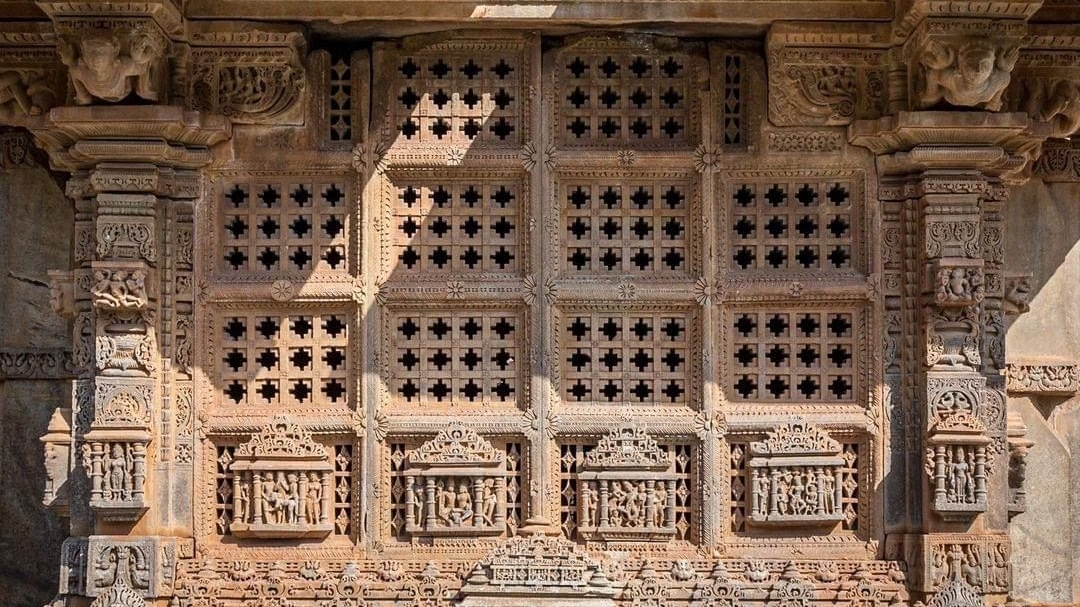
India is packed with Jaali carving masterpieces, from temples to forts to mosques. Each site tells a story of skill, devotion, and artistry. Let’s take a quick tour!
1. Hawa Mahal, Jaipur, Rajasthan
- You’ve seen it in photos—the pink sandstone palace with 953 tiny windows.
- Each window has a Jaali screen, letting royal women observe the streets without being seen.
- The patterns also create natural airflow, keeping interiors cool in 40–45°C summers.
2. Fatehpur Sikri, Uttar Pradesh
- Built by Emperor Akbar in the 16th century, this UNESCO site has intricately carved stone screens in palaces and mosques.
- The Jaali work in the Diwan-i-Khas and Panch Mahal is famous for geometric precision and elegance.
3. Sidi Saiyyed Mosque, Ahmedabad, Gujarat
- Home to the iconic “Tree of Life” Jaali, carved in 1573.
- The single stone screen has 45 interwoven branches—an incredible display of craftsmanship.
4. Meenakshi Temple, Madurai, Tamil Nadu
- Jaali panels decorate corridors and sanctums, featuring lotus, floral vines, and divine motifs.
- The patterns also allow filtered sunlight to dance along pillared halls, creating a spiritual experience for thousands of daily visitors.
5. Jami Masjid, Ahmedabad, Gujarat
- One of India’s largest mosques, with over 300 stone screens.
- The Jaali designs mix calligraphy, geometry, and floral arabesques, demonstrating Mughal-era skill.
6. Amber Fort, Jaipur, Rajasthan
- Jaali screens in palace halls and windows number over 150, designed to control light and airflow while adding elegance.
- The screens combine floral and geometric designs, blending Rajasthani tradition with Mughal influence.
Every Jaali has a story—some practical, some spiritual, all breathtaking. Next time you visit, look closely. Can you imagine the hours artisans spent carving every tiny hole by hand? That’s the magic of India’s Jaali heritage.
How Were Jaalis Made? Step by Step
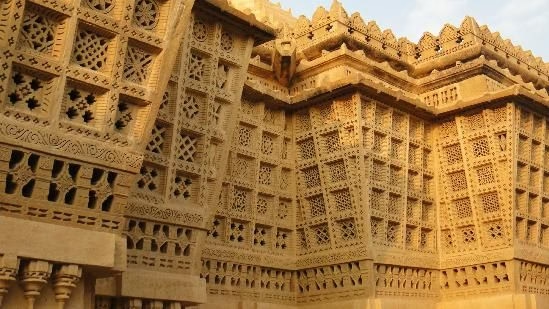
Ever wondered how artisans carved those magical stone or wood screens centuries ago? Trust me, it wasn’t quick—or easy! Let’s break it down.
Step 1: Selecting the Material
- Most Jaalis were carved from sandstone, marble, or teakwood.
- Choosing the right block was crucial—stone had to be solid, crack-free, and big enough for the design.
- Some blocks weighed over 500 kg, so moving them was a huge task!
Step 2: Designing the Pattern
- Artisans sketched intricate geometric, floral, or divine motifs on paper first.
- Some designs had hundreds of repeating elements, all perfectly symmetrical.
- The sketch was then transferred to the stone or wood block using chalk or charcoal.
Step 3: Rough Cutting
- Using chisels and hammers, the artisan removed excess stone to form a rough outline.
- This step could take days for a single panel, depending on size.
- Precision was key—one wrong strike could ruin weeks of work.
Step 4: Detailing
- Smaller chisels were used for fine curves, floral designs, or calligraphy.
- Geometric patterns required perfect angles; floral motifs demanded delicate carving.
- Some panels had over 1,000 tiny cutouts, each needing careful attention.
Step 5: Polishing and Finishing
- The screen was polished to remove rough edges.
- Artisans sometimes added paint, gold leaf, or inlays to highlight details.
- Finally, the Jaali was ready to be installed, letting light, air, and shadow interact perfectly.
Can you imagine? A single Jaali carving could take weeks or even months to complete. Every tiny hole, curve, and motif was handcrafted—no machines, no shortcuts. That’s why each Jaali feels alive, magical, and timeless!
The Bottom Lines
Jaali carving is more than stone or wood. They are light, shadow, and art combined. Every pattern tells a story. Every cut shows skill.
From temples to mosques, from north to south, India’s Jaali tradition connects faith, culture, and architecture. They keep interiors cool. They allow privacy. They invite awe.
Artisans spent weeks, sometimes months, on a single panel. Their patience shows in every curve. Sunlight dances through holes. Shadows move and change. Spaces feel alive.
Even today, Jaalis inspire architects, artists, and tourists alike. They are timeless. They are functional. They are magical.
And most importantly—they remind us that art and devotion can live together beautifully.
Also read: Khajuraho Erotic Sculptures – Madhya Pradesh

Leave a Reply