

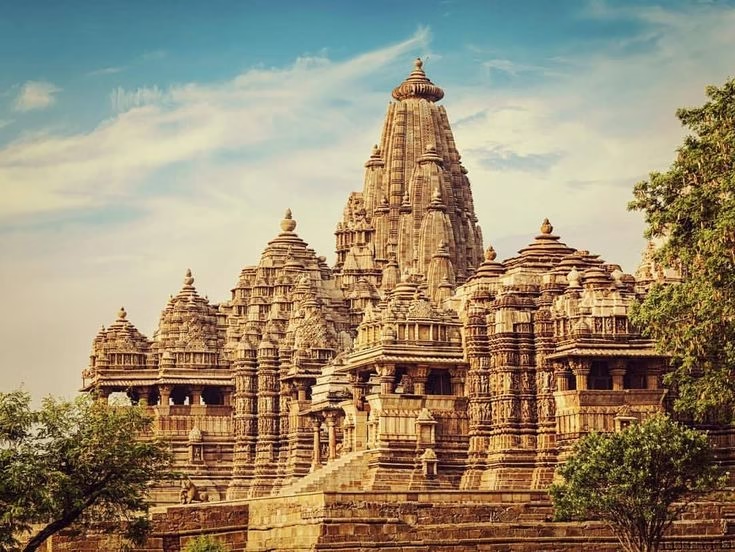
Hello readers, ever stood before stone that makes you pause, smile, and rethink history? Welcome to Khajuraho Erotic Sculptures – Khajuraho, Madhya Pradesh, where art speaks boldly and beautifully.
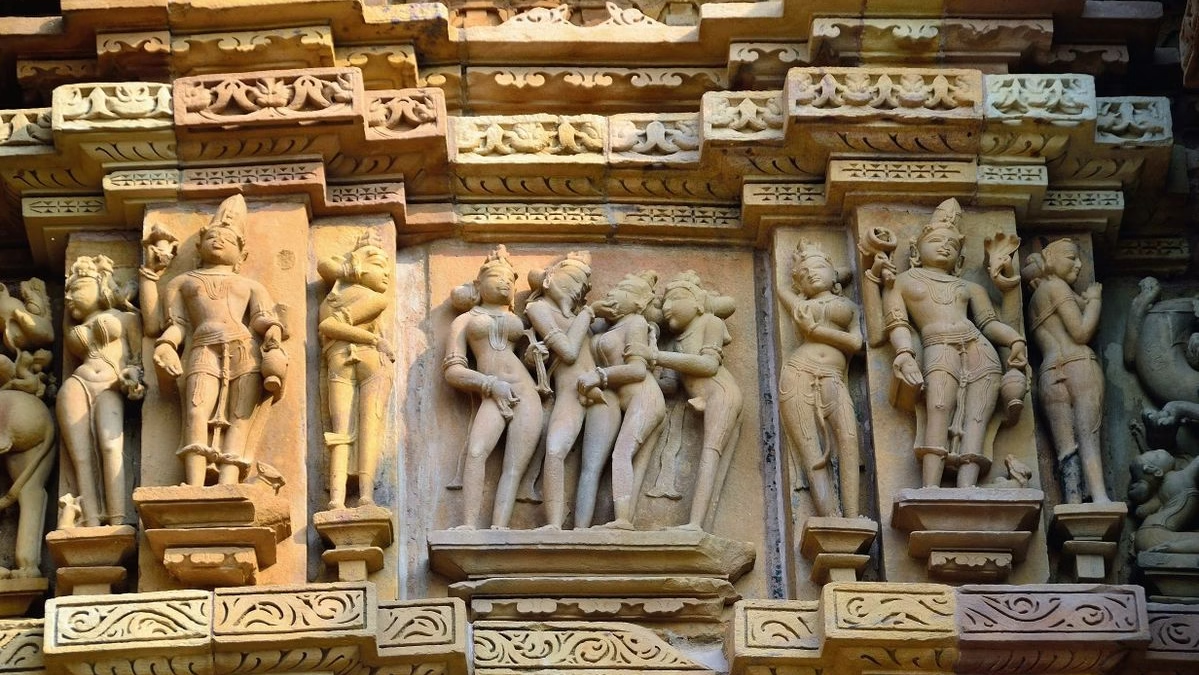
These temples don’t whisper—they converse. Carved between the 10th and 12th centuries by the Chandela dynasty, the sculptures celebrate life in its fullest form. Not shock. Not secrecy. Just expression. As you walk around the temple walls, scenes of love, intimacy, music, and daily life unfold naturally. Short steps.
Slow glances. Big realizations. Here, human desire is not hidden—it’s harmonized with spirituality. The message feels clear even today: life, devotion, and joy can coexist. Curious? Slightly surprised? That’s the magic of Khajuraho—stone that starts conversations centuries later.
History of Khajuraho Erotic Sculptures: A Timeline Through the Ages
9th–10th Century CE – Foundation of Khajuraho
The story of the Khajuraho Erotic Sculptures begins under the Chandela dynasty in central India. Around 950 CE, the Chandelas established Khajuraho in present-day Madhya Pradesh as a major religious and cultural center. During this period, the earliest temples were built, blending spirituality with artistic expression.
10th–11th Century CE – Golden Age of Temple Art
This era marked the peak of Khajuraho’s architectural brilliance. Between 950 and 1050 CE, nearly 85 temples were constructed. The famous Khajuraho Erotic Sculptures emerged during this phase, carved on temple exteriors. These sculptures reflected Tantric beliefs, celebrating life, love, and the balance between physical desire and spiritual liberation.
12th Century CE – Decline of Chandela Power
As the Chandela dynasty weakened due to invasions and shifting political power, temple construction slowed. Khajuraho gradually lost its status as a capital, though the temples remained active places of worship.
13th–18th Century – Forgotten but Preserved
Hidden by dense forests, the temples escaped large-scale destruction. The Khajuraho Erotic Sculptures survived centuries of neglect, preserved by isolation rather than protection.
19th Century – Rediscovery
British surveyor T.S. Burt rediscovered Khajuraho in 1838. The sculptures shocked colonial society but fascinated scholars.
20th Century – Global Recognition
In 1986, Khajuraho was declared a UNESCO World Heritage Site, securing the legacy of the Khajuraho Erotic Sculptures in Madhya Pradesh.
Itinerary for Visiting Khajuraho
Planning a trip to Khajuraho? This thoughtfully paced itinerary helps you experience the beauty, history, and symbolism behind the world-famous Khajuraho Erotic Sculptures without feeling rushed.
Short walks, guided exploration, and cultural pauses make this journey truly memorable.
Day 1: Arrival and Western Group of Temples
- Arrive at Khajuraho by air, train, or road.
- Check into your hotel and freshen up.
- Visit the Western Group of Temples in the morning.
- Explore Kandariya Mahadeva Temple in detail.
- Observe the Khajuraho Erotic Sculptures on outer walls.
- Notice daily life scenes and divine figures.
- Hire a local guide for better understanding.
- Visit the Archaeological Museum nearby.
- Enjoy the evening Light and Sound Show.
Day 2: Eastern and Southern Temple Groups
- Start early for comfortable weather.
- Visit the Eastern Group of Temples.
- Explore Jain temples like Parsvanatha.
- Compare Jain themes with Khajuraho Erotic Sculptures.
- Head to the Southern Group of Temples.
- Visit Duladeo and Chaturbhuj Temples.
- Enjoy calm surroundings and fewer crowds.
- Try local Bundelkhand cuisine for lunch.
Day 3: Culture, Nature, and Reflection
- Visit Raneh Falls in the morning.
- Explore Ken Gharial Sanctuary nearby.
- Shop for handicrafts and souvenirs.
- Revisit favorite temple spots for photography.
- Reflect on the meaning of the Khajuraho Erotic Sculptures.
- Depart with a deeper cultural understanding.
Artistic Details of Khajuraho Erotic Sculptures
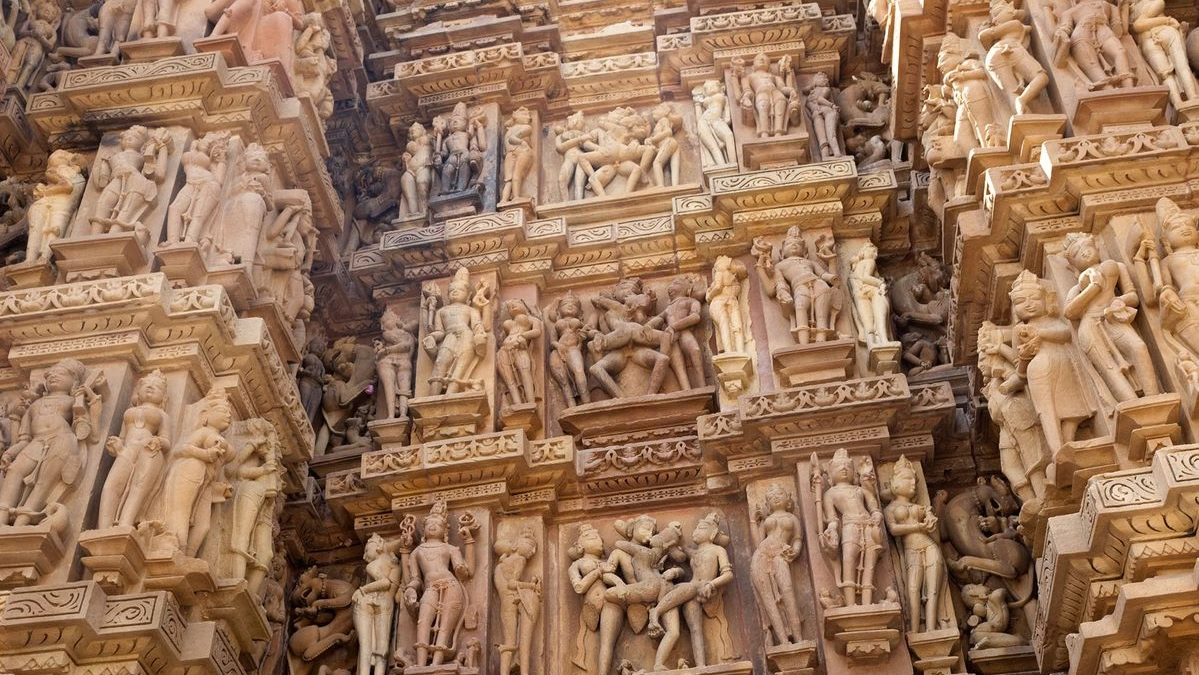
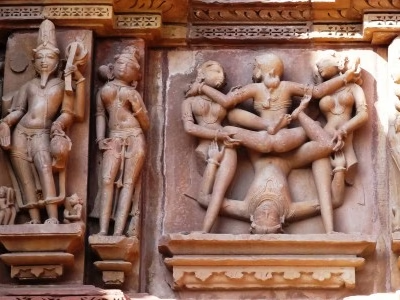
The Khajuraho Erotic Sculptures are among the most refined examples of temple art in India. Located in Khajuraho, Madhya Pradesh, these sculptures were created between the 9th and 11th centuries by the Chandela dynasty. They reflect artistic excellence, symbolic depth, and spiritual thought.
Sculptural Style and Craftsmanship
- Sculptures are carved in high relief sandstone.
- Figures appear graceful and well-proportioned.
- Bodies follow classical Indian canons of beauty.
- Smooth curves and fluid postures dominate.
- Expressions are calm, not exaggerated.
The artists focused on balance and rhythm. Each figure blends naturally with temple walls. There is no sense of isolation. Art and architecture merge seamlessly.
Themes and Visual Composition
- Erotic scenes are part of a larger narrative.
- They occupy outer temple walls.
- Inner sanctums remain purely spiritual.
- Daily life, music, dance, and devotion are also shown.
The Khajuraho Erotic Sculptures do not stand alone. They represent the human journey, from desire to divine realization. The placement itself holds meaning.
Symbolism and Aesthetic Intent
- Erotic imagery symbolizes fertility and creation.
- It reflects Tantric philosophy.
- Desire is seen as a path, not a sin.
- Harmony between body and soul is emphasized.
Rather than provocation, the aim is transcendence. The sculptures teach acceptance of human emotions within spiritual life.
Detailing and Artistic Precision
- Jewelry and hairstyles are finely carved.
- Clothing appears light and realistic.
- Every limb shows controlled movement.
These details highlight the mastery of Chandela artisans.
Hidden Details You Might Miss at First Glance
| Hidden Detail | Where to Look | What It Depicts | Symbolic Meaning | Why It’s Often Missed |
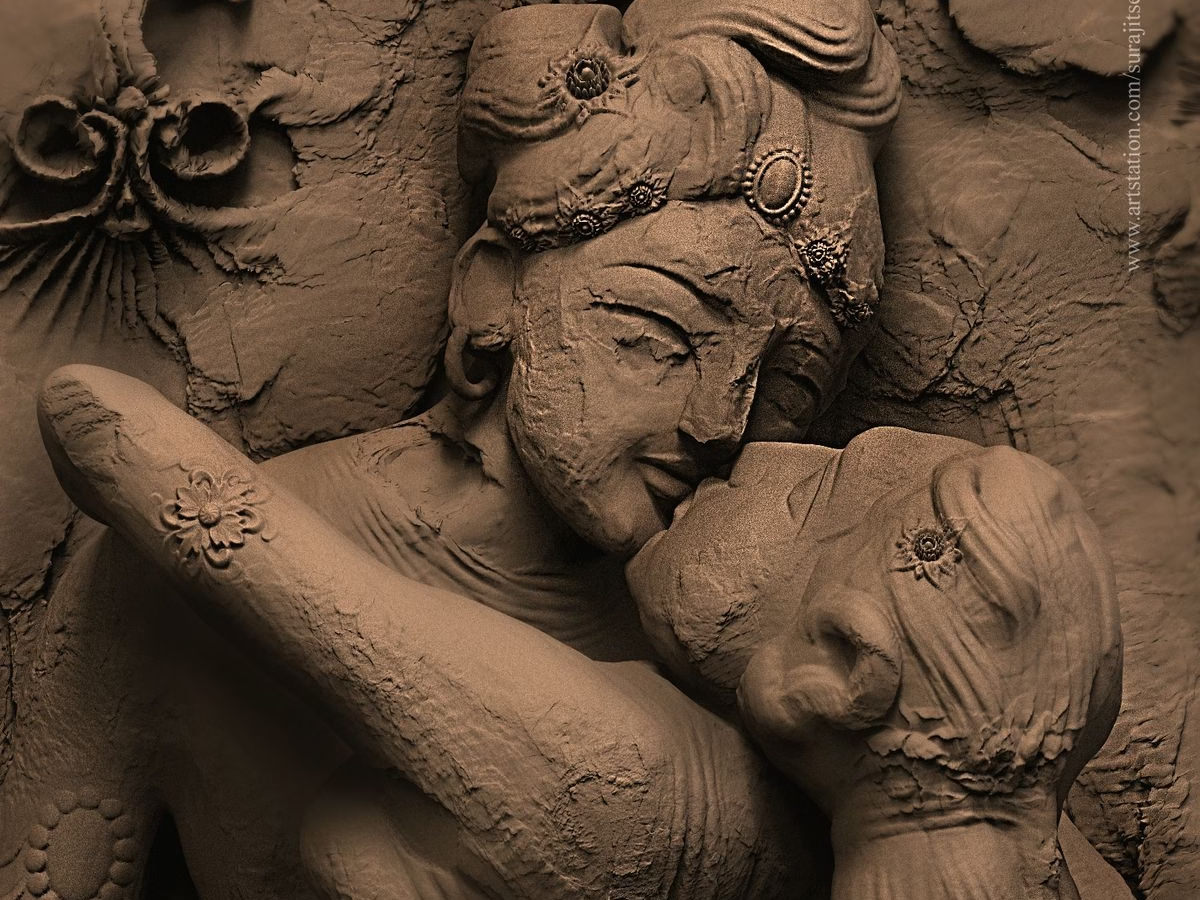
| Facial Expressions | Faces of sculpted couples | Calm smiles, closed eyes, soft gazes | Emotional balance and inner harmony | Visitors focus more on body posture than expressions |
| Presence of Jewelry | Neck, waist, arms, ankles | Heavy ornaments worn during intimate scenes | Celebration of prosperity and beauty in daily life | Fine carvings blend into the stone surface |
| Musical Instruments Nearby | Side panels of main erotic scenes | Drums, veena, and flute players | Rhythm of life and cosmic harmony | Located slightly away from main figures |
| Natural Elements | Background carvings | Trees, creepers, animals | Union of humans with nature | Nature motifs appear decorative at first glance |
| Female Dominance | Certain erotic panels | Women leading or controlling the act | Respect for feminine energy (Shakti) | Challenges modern assumptions, so often overlooked |
Why These Hidden Details Matter?
The Khajuraho Erotic Sculptures – Khajuraho, Madhya Pradesh are not just about physical intimacy. They are layered with philosophy, balance, and cultural depth. Many details remain unnoticed because viewers often see them through a modern or sensational lens.
When observed patiently, these sculptures reveal a refined understanding of life, spirituality, and human emotion. Each hidden element adds meaning, turning stone carvings into timeless visual scriptures
Facts & Myths About Khajuraho Erotic Sculptures
- Historical Origin
- The Khajuraho Erotic Sculptures were built between 950–1050 CE.
- They were commissioned by the Chandela dynasty.
- The temples reflect a peak of medieval Indian temple architecture.
- The Khajuraho Erotic Sculptures were built between 950–1050 CE.
- Small Portion of the Art
- Erotic sculptures form only 10–12% of the total carvings.
- Most sculptures depict gods, goddesses, dancers, musicians, and daily life.
- The erotic panels are part of a much larger artistic narrative.
- Erotic sculptures form only 10–12% of the total carvings.
- Symbolism Over Sensation
- The sculptures represent human emotions, relationships, and life stages.
- They symbolize the balance between dharma (duty), artha (wealth), kama (desire), and moksha (liberation).
- Desire is shown as a natural phase of human life, not something sinful.
- The sculptures represent human emotions, relationships, and life stages.
- Architectural Placement Matters
- Erotic figures are placed on outer temple walls, not inside sanctums.
- Inner sanctums remain spiritually pure and meditative.
- This design reflects the journey from worldly life to spiritual awakening.
- Erotic figures are placed on outer temple walls, not inside sanctums.
Myths About Khajuraho Erotic Sculptures
- Myth: Temples Were Meant Only for Sensual Pleasure
- Fact: The temples were primarily spiritual centers.
- Erotic art served as symbolic education, not indulgence.
- Fact: The temples were primarily spiritual centers.
- Myth: Khajuraho Promoted Immorality
- Fact: Ancient Indian society viewed sexuality as sacred and balanced.
- The sculptures follow strict artistic and philosophical rules.
- Fact: Ancient Indian society viewed sexuality as sacred and balanced.
- Myth: Sculptures Are Random or Decorative
- Fact: Every carving follows Vastu Shastra and Shilpa Shastra principles.
- The scenes were carefully planned, not randomly placed.
- Fact: Every carving follows Vastu Shastra and Shilpa Shastra principles.
- Myth: Foreign Influence Shaped the Erotic Themes
- Fact: The themes are deeply rooted in Indian texts like the Kama Sutra.
- They reflect indigenous philosophies, not external cultures.
- Fact: The themes are deeply rooted in Indian texts like the Kama Sutra.
Cultural Truth Behind the Art
- Expression of a Progressive Society
- The sculptures show openness, acceptance, and artistic freedom.
- They reflect a society comfortable with body, desire, and spirituality.
- The sculptures show openness, acceptance, and artistic freedom.
- UNESCO World Heritage Status
- Khajuraho is globally respected for its artistic and cultural value.
- The erotic sculptures enhance, not define, its heritage.
- Khajuraho is globally respected for its artistic and cultural value.
The Bottom Lines
The Khajuraho Erotic Sculptures of Khajuraho, Madhya Pradesh, stand as a powerful reminder of India’s inclusive and philosophical past. Far from being created for shock or pleasure, these carvings reflect a mature understanding of life, where desire, duty, and spirituality coexist in harmony.
They challenge modern misconceptions by presenting sexuality as a natural and meaningful part of human existence, not a taboo. Through precise placement, symbolic depth, and artistic excellence, the sculptures convey timeless lessons about balance and self-awareness.
Today, the Khajuraho Erotic Sculptures continue to inspire curiosity, dialogue, and respect, inviting visitors to look beyond surface interpretations and appreciate the profound cultural wisdom carved into stone centuries ago.
Also read: Hoysala Temples Sculpture & Architecture – Belur & Halebidu, Karnataka

Leave a Reply