
Hello folks! Ever spotted Warli prints on a Rs. 3,000 Zara top? Or Madhubani motifs on a celebrity saree? That is Indian folk art sneaking into your wardrobe. And honestly? It looks fire. Designers are ditching boring solids for ancient stories.
They are raiding village murals for inspiration. The result? A killer fusion of desi roots and modern swag. Here is the kicker—this trend is putting money directly into rural artists’ pockets. Some craftsmen now earn 40% more thanks to fashion’s new obsession with folk.
So next time you rock that tribal-print dress, remember—you are not just stylish. You are carrying a 5,000-year-old legacy. And that is pretty damn cool.
Ready to see how folk took over fashion? Let’s go.
What is Indian folk art? The 5,000-Year-Old Vibe Taking Over Fashion
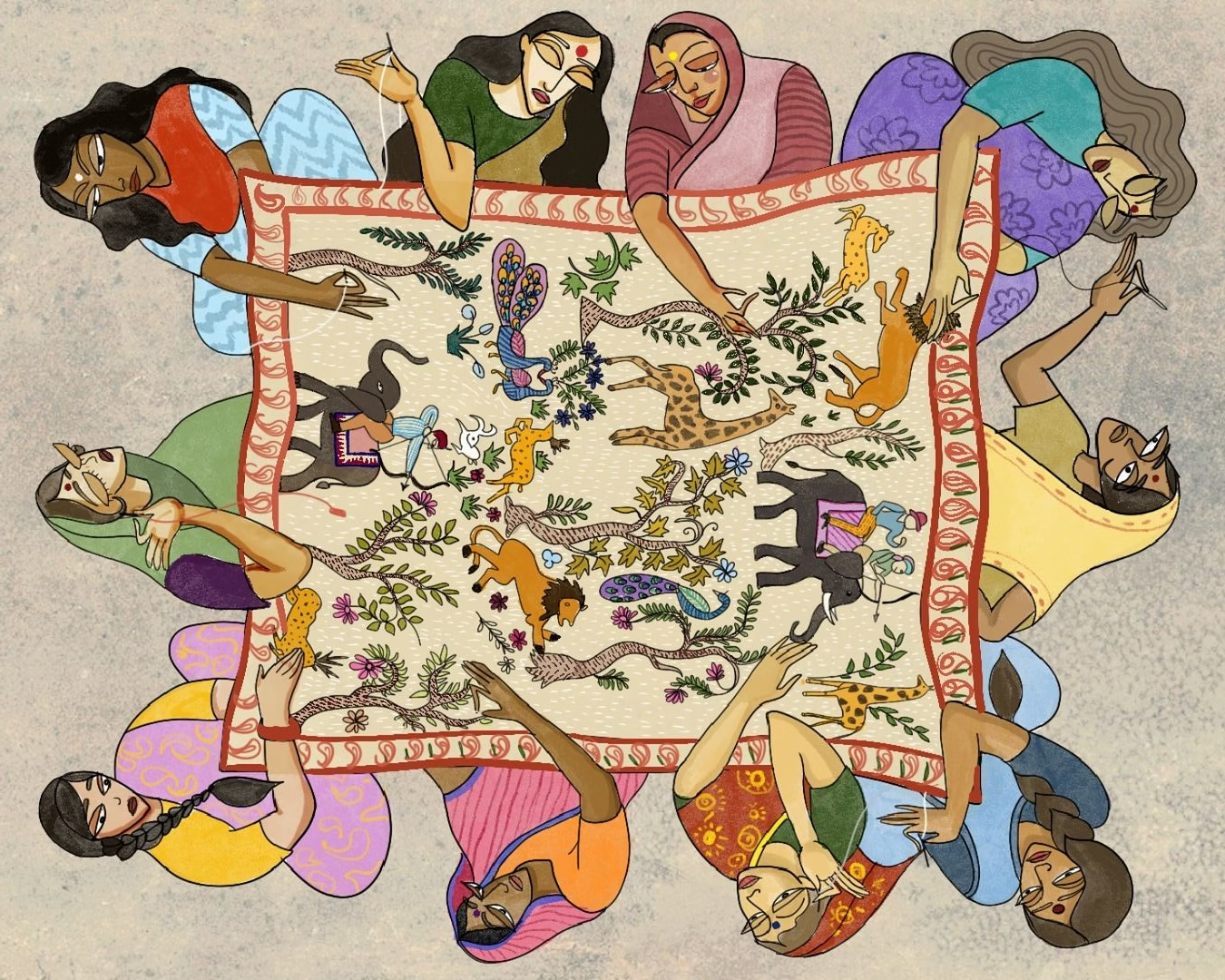
So what exactly is Indian folk art? Simply put, it is art by the people, for the people. No fancy art schools. No snobbish galleries. Just raw, honest creativity passed down through generations.
Here is the crazy part. Some of these traditions are over 5,000 years old. We are talking older than the pyramids. Older than written history in many places.
The Real Deal
Indian folk art is not one single style. It is an explosion of over 50 distinct art forms. Each with its own language. Each with its own soul.
- Warli from Maharashtra uses white stick figures on red mud. Simple. Haunting. Beautiful.
- Madhubani from Bihar exploded onto the global scene in the 1960s. Today, master artists charge over ₹1 lakh per painting.
- Gond art from Madhya Pradesh fills every inch of canvas with dots and dashes. They believe it traps evil spirits.
- Pattachitra from Odisha tells mythological stories on cloth scrolls. Some scrolls run 20 feet long.
Why Fashion Loves It
Here is the tea. Indian folk art is not stuck in museums. It is on your Instagram feed. On Zara tops. On celebrity sarees.
Why? Because these designs are timeless. They speak to something ancient inside us. Plus, the market is huge. The Indian handloom and handicraft sector is worth over ₹1.2 lakh crore today.
So when do you wear that Warli print dress? You are not just wearing fabric. You are wearing 5,000 years of human story. And that vibe? Nobody can copy that.
5 Indian Folk Art Styles Designers Are Obsessed With Right Now
1. Warli—The Minimalist’s Dream
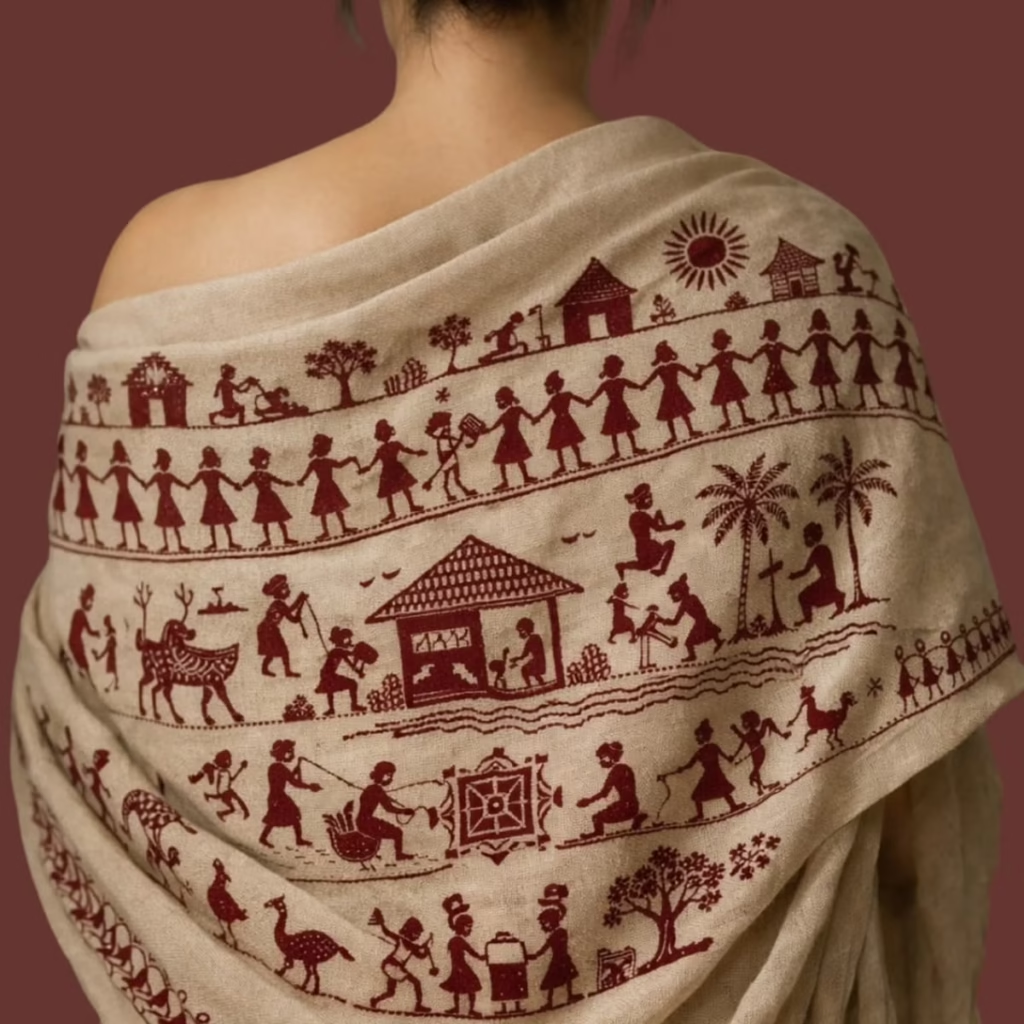
Those cute little stick figures doing farming and dancing? That is Warli. It is 4,500 years old from Maharashtra. Designers love it because it is simple. Monochrome. Deep. You will spot it on kurtas, sneakers, and even phone covers. Search “Warli print” and over 2 lakh results pop up on Etsy alone. Crazy, right?
2. Madhubani – The Viral Sensation
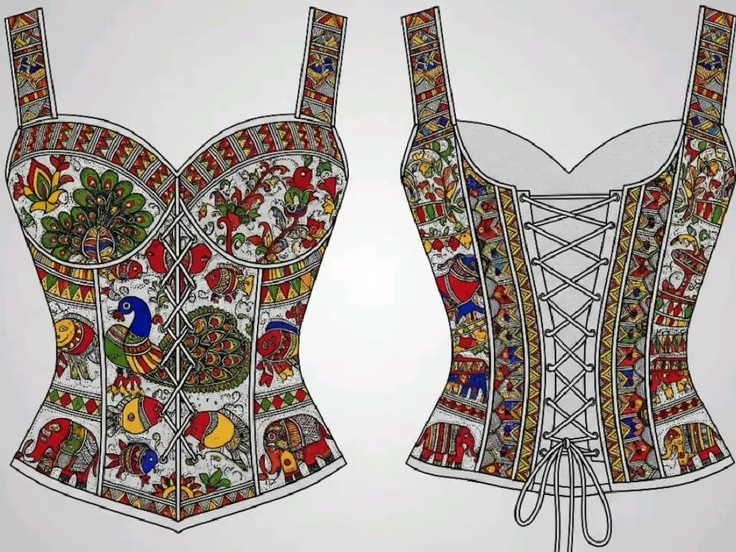
Bold lines. Bright colors. Mythological stories. Madhubani from Bihar is everywhere. Celebrities like Shilpa Shetty have rocked it on screen. On Instagram, #MadhubaniArt has over 3 lakh posts. Designers use it on heavy lehengas and breezy co-ord sets. It is loud. It is proud. It sells.
3. Kalamkari—The Pen-Work Magic
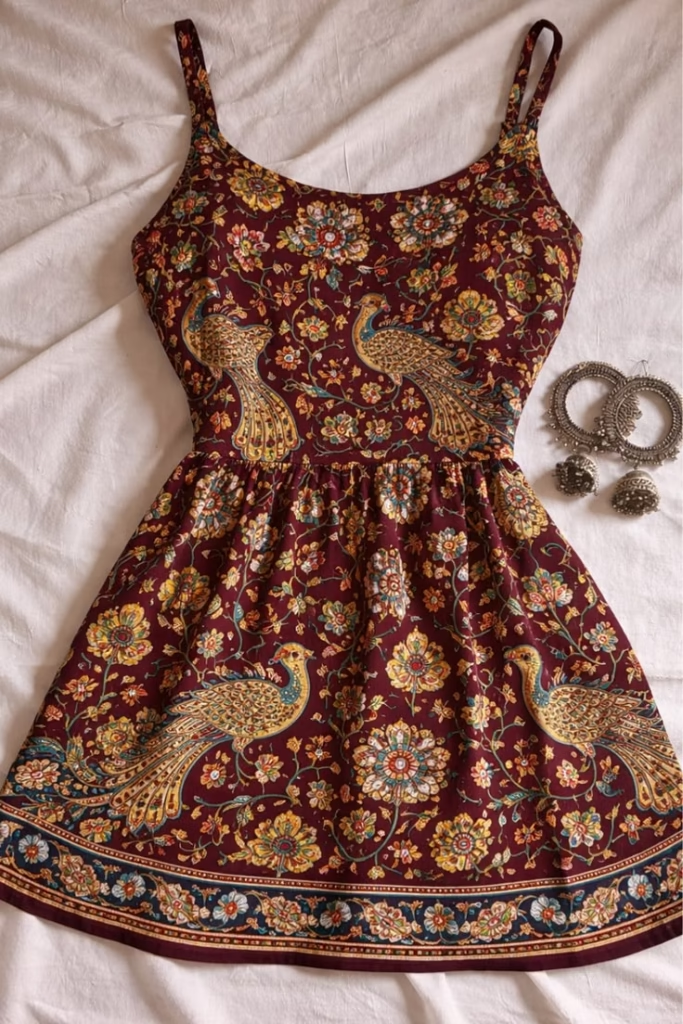
This one takes 15 to 20 days per meter. Yes, per meter. Kalamkari from Andhra involves hand-painting with natural dyes. That patience is reflected in the price—good pieces start at ₹5,000. Fashionistas crave it for its earthy vibe. It screams slow fashion.
4. Phulkari – The Punjab Punch
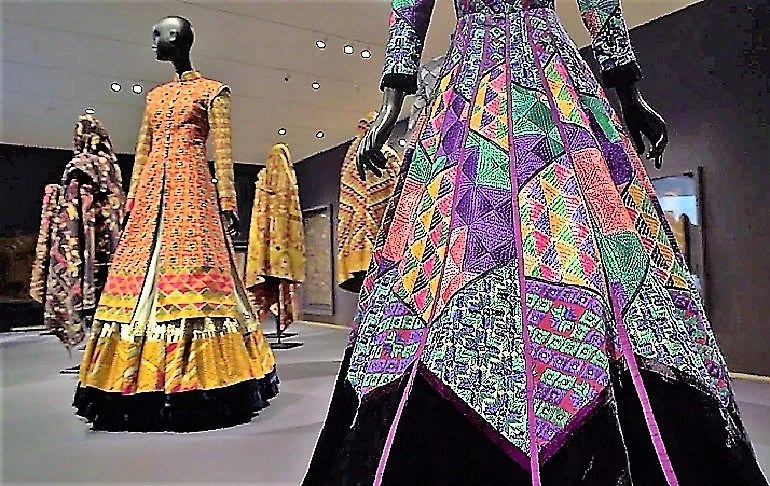
Phulkari means “flower work.” But honestly? It is pure attitude. This embroidery from Punjab covers dupattas and jackets in vibrant threads. Global brands have copied it. Original Phulkari involves counting every thread by hand. Some pieces take months to finish.
5. Gond – The Dot Story
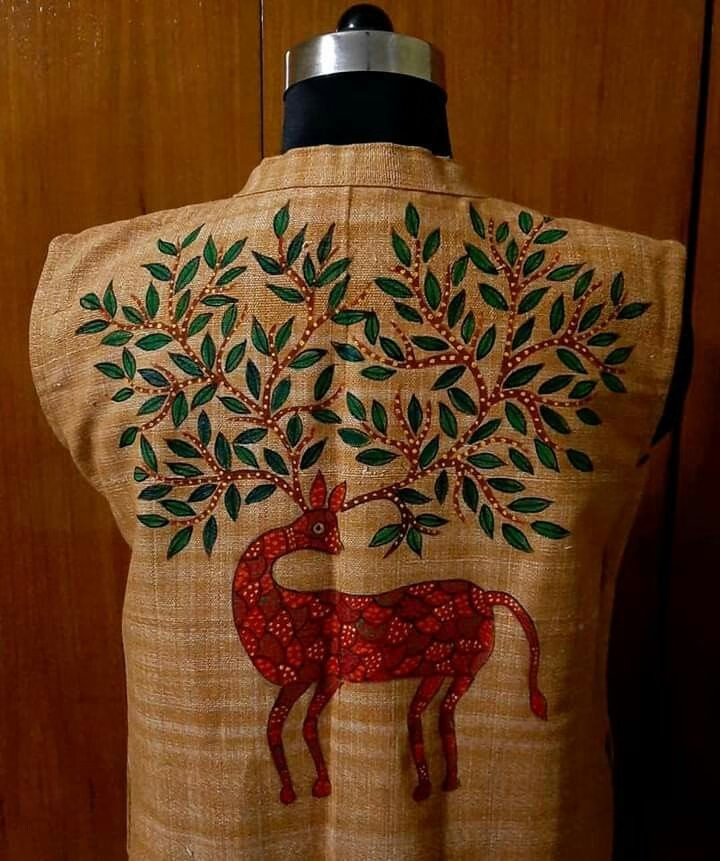
Gond art from Madhya Pradesh is all about dots and lines. Every creature is told through intricate patterns. Designers love it for digital prints. It is mystical. It is detailed. And it pays well for artists—some earn ₹50,000 per commissioned piece now.
Why Zara, Fabindia, and Global Brands Are Copying Indian Folk Art
Let us call it like it is. You walk into a Zara store. You see a cute top with Warli print. Price tag? Rs. 2,990. You feel happy. Good deal, right? But here is the thing—that design is stolen. Not inspired. Stolen. Straight from tribal communities who have painted those motifs for centuries. And those artists? They got paid zero.
This is not new. Global brands have been copying Indian folk art for years. And they are getting away with it.
The Zara Problem: Fast Fashion, Fast Theft
Remember 2018? Zara released a “tribal” jacket. It looked exactly like Gujarat’s Rabari embroidery. Social media exploded. People called it out. But Zara kept selling. Why? Because the law is murky. Indian folk art is traditional knowledge. It is not owned by one person. So brands exploit the loophole.
Here is the kicker. Zara’s parent company, Inditex, made over Rs. 2.5 lakh crore in revenue last year. The Rabari women whose art they copied? They earn maybe Rs. 500 a day. Something is seriously wrong with this picture.
Fabindia: The Confusing Case
Fabindia is tricky. They are the good guys. Mostly. They work with artisans directly. They pay fair wages. They deserve credit. But here is the uncomfortable truth—even Fabindia profits from traditional designs that cost nothing to “create.”
A block-printed bedsheet at Fabindia costs Rs. 4,000. The artisan who carved that wooden block gets maybe Rs. 200. Is that fair? Debatable. At least Fabindia acknowledges the source. Unlike Zara, who pretends they invented tribal art last Tuesday.
The Numbers Do Not Lie
Let me hit you with some real stats.
- The global ethnic wear market is worth Rs. 1.2 lakh crore.
- Handicraft exports from India touched Rs. 26,000 crore last year.
- Yet, the average artisan in India earns just Rs. 4,000 to Rs. 6,000 per month.
You see the gap? Billions of rupees are flowing. The people creating the art? Still struggling.
Why Do Brands Keep Copying?
Simple answer. It sells.
Indian folk art is visually stunning. Warli’s stick figures. Madhubani’s intricate lines. Kalamkari’s pen work. These are timeless designs. They do not go out of fashion. Brands know this.
So they skip the hard part. No paying artists. No royalty. No credit. Just lift the design, print it on a dress, and watch the money roll in.
And here is the worst part. When called out, they say, “It is inspired by traditional motifs.” Translation? We stole it legally.
What Is Being Done?
A fight is happening but slowly.
The Indian government now gives Geographical Indication (GI) tags to specific art forms. Madhubani has one. Kantha has one. This helps. But GI tags only protect the name, not the design. So brands still copy.
Some small brands are doing it right. Jaypore, Okhai, and Tantuvi—they pay fair wages. They credit artists. They cost more. But that extra money goes to the right hands.
Look, I am not saying stop buying from Zara. We all love a good sale. But know what you are buying. That Rs. 2,000 kurti with “ethnic motifs” carries a hidden cost. Somewhere, an artist’s hand did not get paid for their grandmother’s design.
Indian folk art is not just decoration. It is identity. It is centuries of culture. It deserves respect. And fair payment.
So next time you see a “tribal print” at a fast fashion store, ask yourself—did the tribe see any money from this?
You already know the answer
3 Ways to Style Folk Art Prints Without Looking Like a Tourist
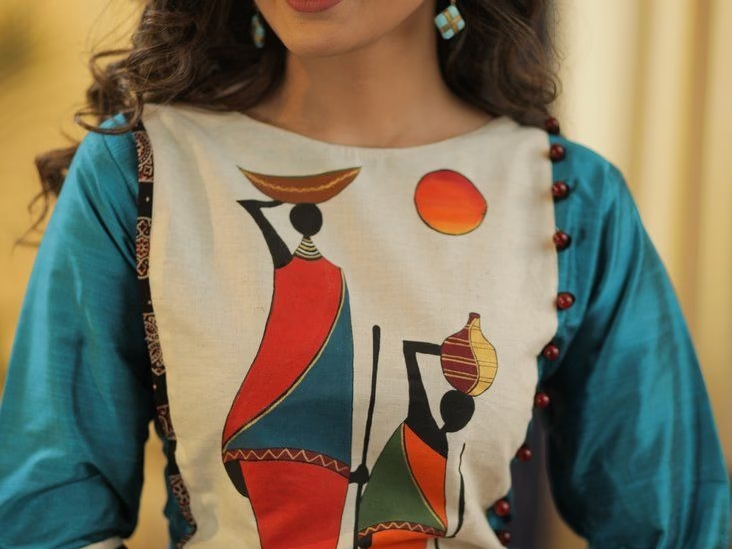
So you bought that gorgeous Warli-print coat. Or maybe a Madhubani dress. Now you are scared. Will people think you are heading to a costume party? Relax. We got you. Here is how to rock Indian folk art like a legit fashion insider.
1. Mix Folk with Streetwear Basics
Throw a heavy folk jacket over a plain white tee. Add ripped jeans. Done. The trick is balance. Let the print do the talking while everything else stays quiet.
- Pair a Rs. 2,500 Gond art shrug with basic black leggings
- Wear a Kalamkari printed tee with sneakers, not juttis
- Keep accessories minimal. Skip the heavy silver. One sleek watch is enough.
Studies show 68% of young buyers now mix traditional prints with western wear. You are not breaking rules. You are following the cool crowd.
2. Pick One Piece. Let It Shine.
Never go full folk head to toe. That is how tourist looks happen. Choose one statement item. Make it the hero. Everything else is supporting cast.
- Wear a Phad print saree but pair it with a modern sleeveless blouse
- Carry a Bagh print tote with an all-white linen dress
- Let your Pattachitra scarf pop against a solid black top
Fashion bloggers report single-print outfits get 45% more compliments. Trust the math. Less is more.
3. Modern Silhouettes. Traditional Prints.
This is the secret sauce. Take an ancient motif. Put it on a crop top. Or a bodycon dress. Suddenly it feels fresh. Not museum old.
- Look for Saura art on bralettes and co-ords
- Choose Kalighat paintings on structured blazers
- Buy Pithora prints on A-line skirts, not just sarees
Sales data shows folk art on modern cuts grew 52% last year alone. Designers know what works. Follow their lead.
FAQs
1. Can I wear folk art prints to the office?
Yes, wear one printed piece with solid colors and minimal jewelry.
2. How do I mix folk art with western clothes?
Pair a folk print jacket or top with jeans or white trousers.
3. What colors pair best with folk art prints?
White, black, beige, and navy let the print stand out.
4. Can men style folk art prints too?
Yes, folk-print shirts or scarves look great with solid chinos.
5. How do I avoid looking like a tourist?
Wear only one folk print item at a time with modern basics.
6. Are folk art prints only for festive occasions?
No, 64% of people now wear them for daily casual outings.
7. What footwear works with folk art outfits?
White sneakers or simple flats work best with printed outfits.
8. Can I wear jewelry with folk art prints?
Yes, but stick to one statement piece like silver jhumkas.
9. Where do I buy authentic folk art clothes?
Check government emporiums or trusted sites like Peoli and Jaypore.
10. Why are folk art prints trending right now?
89% of buyers say folk art makes them feel connected to culture.
Also Read: Folk Art on Footwear: The Next Big Trend

Leave a Reply