
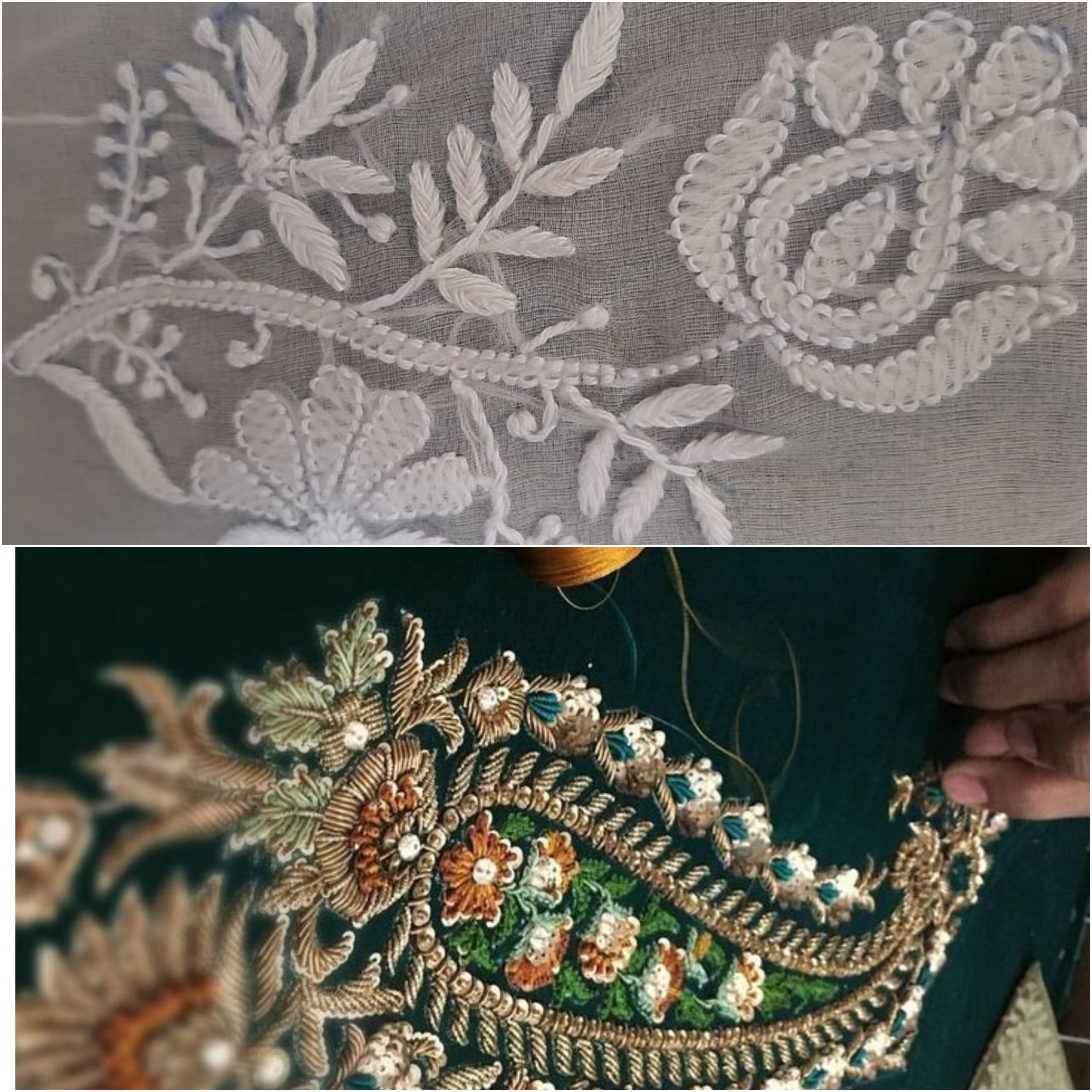
Hello, readers! Let’s take a little trip to the heart of Uttar Pradesh, where every stitch tells a story. Two of India’s most graceful embroidery styles—Zardozi and Chikankari—bloom here like timeless treasures. Zardozi sparkles with metallic threads, pearls, and sequins, once adorning the robes of royals.
In contrast, Chikankari whispers elegance through delicate white threadwork on soft fabrics. Though different in style and spirit, both art forms reflect the unmatched skill and patience of UP’s artisans. Together, they weave tradition, beauty, and culture into every single thread.
Historical Background and Royal Patronage
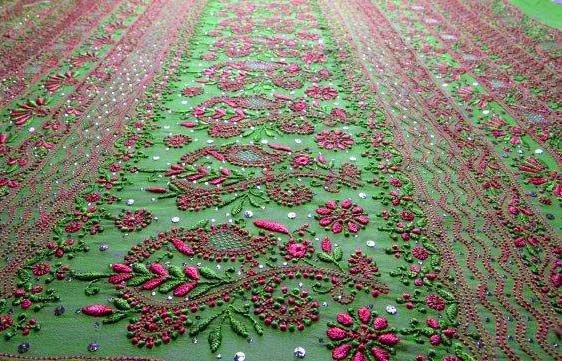
The history of Zardozi and Chikankari embroidery in Uttar Pradesh shines with royal grandeur and artistic devotion. Zardozi, derived from Persian roots meaning “gold embroidery,” flourished during the Mughal era, especially under Emperor Akbar’s patronage. Gold and silver threads were once stitched onto velvet and silk garments for the royal courts of Lucknow and Delhi, symbolizing luxury and status.
On the other hand, Chikankari, believed to have been introduced by Nur Jahan, Akbar’s queen, evolved in the cultural heart of Lucknow. This delicate white thread work on fine muslin reflected grace, refinement, and the elegance of Mughal fashion.
While Zardozi dazzled with opulence, Chikankari charmed with subtlety—both reflecting two sides of Mughal artistry. Even today, artisans of Uttar Pradesh continue these traditions, preserving centuries of royal legacy in every stitch and shimmer of their embroidery.
Materials Used: Metals, Silks, Cottons and Threads
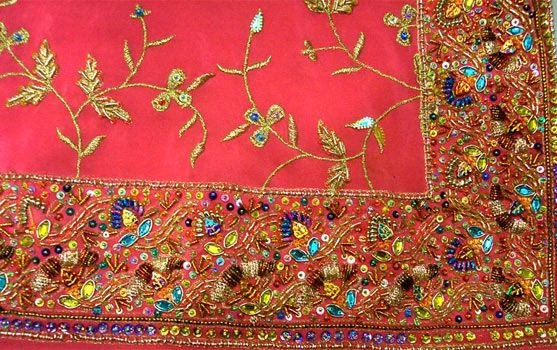
When we talk about the luxurious world of Zardozi and Chikankari, one thing becomes clear — their magic begins with the materials. Both embroidery styles use very different raw elements, yet each creates beauty that feels timeless and deeply Indian.
Zardozi — The Art of Metallic Grandeur
- Metallic Threads:
Zardozi literally means “gold embroidery.” Traditionally, it used real gold and silver wires, known as zari, which were wound around silk threads. Today, to make the art affordable, artisans use copper wires polished with gold or silver finish. - Base Fabrics:
The fabric must be strong enough to hold the heavy metallic threads. Velvet, silk, satin, and brocade are most commonly used. The rich texture helps the shine of zari stand out. - Embellishments:
Beads, pearls, sequins, and colored stones are often sewn into the embroidery to enhance its royal appeal. Each embellishment adds sparkle, making Zardozi perfect for bridal wear and ceremonial outfits. - Supporting Materials:
A stiff cotton or muslin cloth is stretched below the main fabric to give strength. Artisans also use wax and chalk to draw designs before stitching.
Chikankari — The Art of White-on-White Grace
- Threads:
Chikankari traditionally uses fine white cotton threads, known as resham. In modern versions, colored threads are also used for variety. - Fabrics:
The base fabric is light and breathable — muslin, cotton, georgette, chiffon, or organza. The softness allows the needle to glide smoothly, creating those delicate floral patterns. - Supporting Materials:
A tracing sheet or wooden block with the design is used to print the outline on the fabric with washable ink before embroidery begins.
Both forms may seem worlds apart — one glowing in gold, the other whispering in white — yet they share one thing in common: unmatched craftsmanship passed down through generations.
Step-by-Step: How Zardozi and Chikankari Are Made?
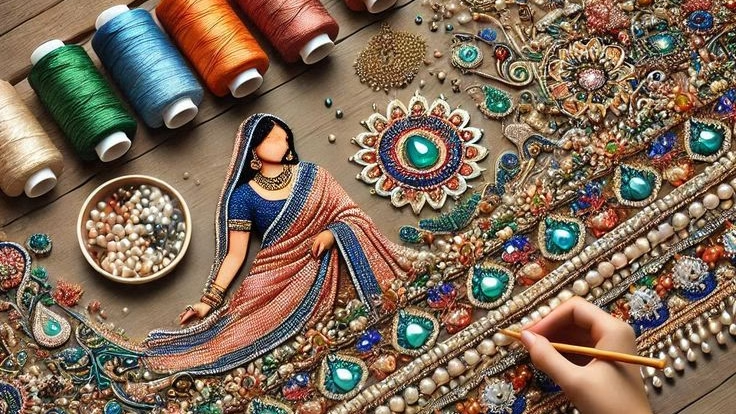
Both Zardozi and Chikankari from Uttar Pradesh are forms of embroidery that showcase India’s royal elegance and delicate craftsmanship. Yet, their techniques and tools are strikingly different—one shines with metallic grandeur, while the other whispers softness through fine threads.
The Zardozi Process – Royal Craft of Gold and Silver
1. Designing the Pattern
- Every Zardozi creation begins with a detailed design drawn on tracing paper.
- The design is transferred onto the fabric (usually velvet, silk, or satin) using a paste made from chalk and kerosene.
2. Setting the Frame (Adda)
- The fabric is stretched tightly over a wooden frame called an Adda.
- This keeps the surface firm, ensuring precision while the artisan embroiders.
3. Stitching the Base Thread
- A thin cotton or silk thread is stitched along the design outline.
- This acts as a guide for the metallic threads to be placed upon.
4. Embroidering with Metal Threads
- Artisans use a fine needle and metallic threads of gold or silver (now often copper-coated).
- Decorative elements like salma, sitara (sequins), dabka (coiled wire), and moti (pearls) are stitched meticulously.
- Each piece can take days or even weeks depending on its complexity.
5. Finishing Touches
- Once embroidery is complete, the fabric is gently pressed and cleaned to reveal a rich, textured surface.
- The final look glitters with regal luxury, often seen on bridal wear, sherwanis, and decor pieces.
The Chikankari Process – Elegance in Every Stitch
1. Creating the Design
- Chikankari begins with drawing floral or geometric motifs on tracing sheets.
- The design is block-printed onto cotton or muslin fabric using a washable blue dye.
2. Stitching by Hand
- Using a simple needle and cotton thread, artisans create around 32 types of stitches—like Bakhiya (shadow work), Murri (grain stitch), and Phanda (knot stitch).
- Each stitch adds a unique texture and transparency to the fabric.
3. Washing and Finishing
- After embroidery, the fabric is washed to remove dye marks.
- It is then starched and ironed, leaving behind soft, white-on-white magic.
Symbols and Motifs: Meaning Behind the Embroidery
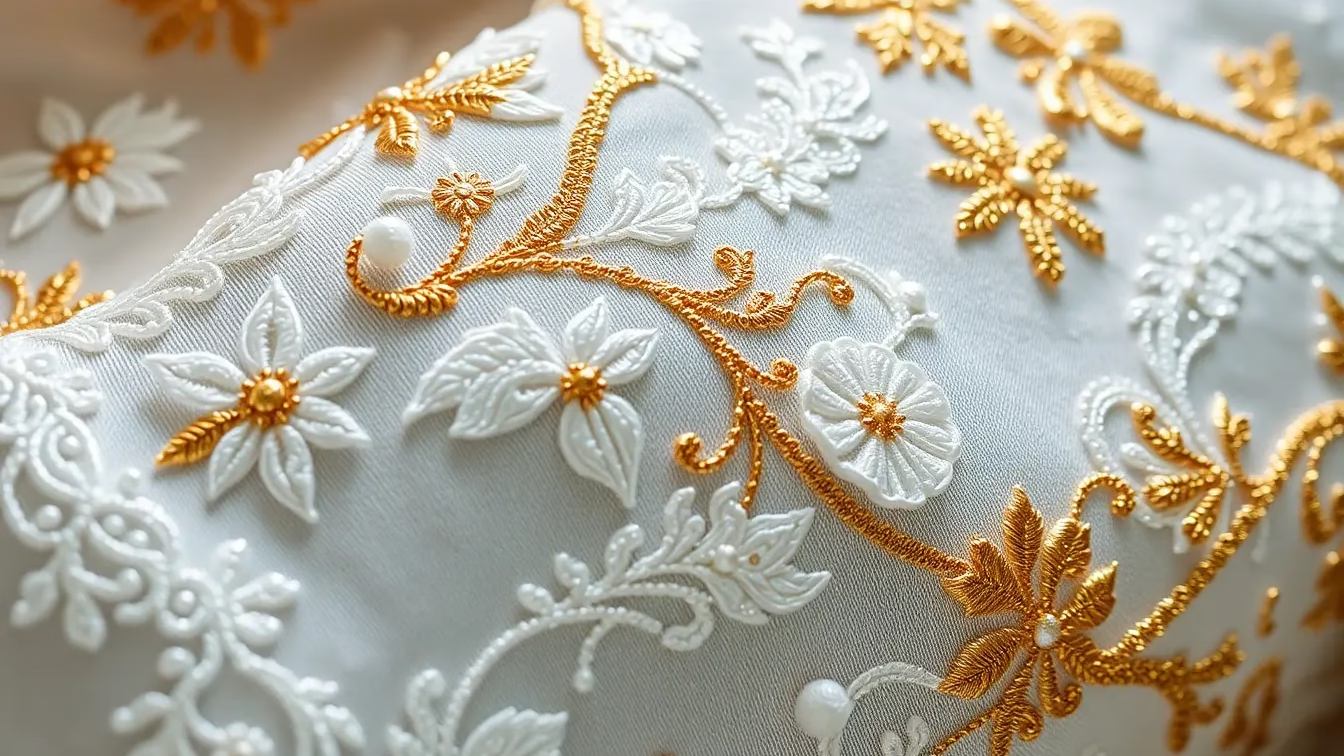
Embroidery is more than just decoration—it’s a language of symbols, each stitch telling a story of culture, belief, and beauty. Both Zardozi and Chikankari from Uttar Pradesh speak through their motifs, but in completely different voices. Let’s explore how their patterns reflect elegance, faith, and heritage.
Zardozi: The Royal Language of Patterns
Zardozi embroidery, known for its metallic shimmer, draws heavily from royal, religious, and floral symbolism.
1. Floral and Foliage Motifs (Butas and Bel)
- Inspiration: Mughal gardens and Persian art.
- Meaning: Represents prosperity, eternal growth, and luxury.
- Usage: Repeated vines (bel) and small floral butas are woven in gold or silver threads, often adorning lehengas, sherwanis, and ceremonial textiles.
2. Paisley or Mango Motif (Kairi or Ambi)
- Symbolism: A classic Indian symbol of fertility, abundance, and divine energy.
- Look: Teardrop-shaped with curved tips, intricately filled with zari work and stones.
- Significance: Common in bridal wear and regal accessories, reflecting power and grace.
3. Religious and Royal Symbols
- Peacock Motif: Embodies grace and beauty—seen in royal garments and decorative panels.
- Crown and Lotus Patterns: Symbolize purity and royal pride, often used in temple decorations and wedding attire.
- Elephant and Bird Designs: Reflect protection, good fortune, and grandeur—true to the spirit of Nawabi luxury.
Chikankari: The Poetry of White Threads
If Zardozi dazzles, Chikankari soothes. Born in the Mughal courts of Lucknow, this art form celebrates subtle beauty and nature’s simplicity.
1. Floral Blooms and Creepers
- Inspiration: Gardens, vines, and Mughal-era motifs.
- Meaning: Signifies peace, purity, and femininity.
- Look: Stitches like Bakhiya (shadow work) and Phanda (knotted grain) give a delicate 3D effect to flowers and leaves.
2. Geometric and Abstract Designs
- Symbolism: Order and harmony in daily life.
- Use: Light patterns on kurtas, dupattas, and linens—simple yet soulful.
3. Motifs of Daily Life
- Fish, Flowers, and Grains: Represent prosperity, fertility, and the rhythm of rural life.
- Cultural Connection: Each motif mirrors Lucknow’s soft grace and calm spirit, making every stitch a quiet story.
Regional Styles, Artisan Communities and Workshops
Regional Styles
- Zardozi:
- Mainly practiced in Lucknow, Bareilly, and Varanasi.
- Lucknow Zardozi is known for its royal elegance, featuring gold and silver threads on velvet and silk fabrics.
- Varanasi artisans often mix Zardozi with Banarasi brocade, creating a luxurious blend.
- Mainly practiced in Lucknow, Bareilly, and Varanasi.
- Chikankari:
- Lucknow is the heart of Chikankari embroidery, where delicate white threadwork on muslin or cotton defines the city’s charm.
- Nearby regions like Rampur and Farrukhabad have their own variations, using pastel shades and floral patterns.
- Lucknow is the heart of Chikankari embroidery, where delicate white threadwork on muslin or cotton defines the city’s charm.
Artisan Communities
- Zardozi is mainly crafted by Muslim artisan families, traditionally known as zardoz.
- Chikankari is carried forward by women artisans, often working from home as part of small cooperative groups.
- These communities preserve generational skills, passing techniques from mothers to daughters and fathers to sons.
Statistics & Market Insights: Production, Exports and Demand
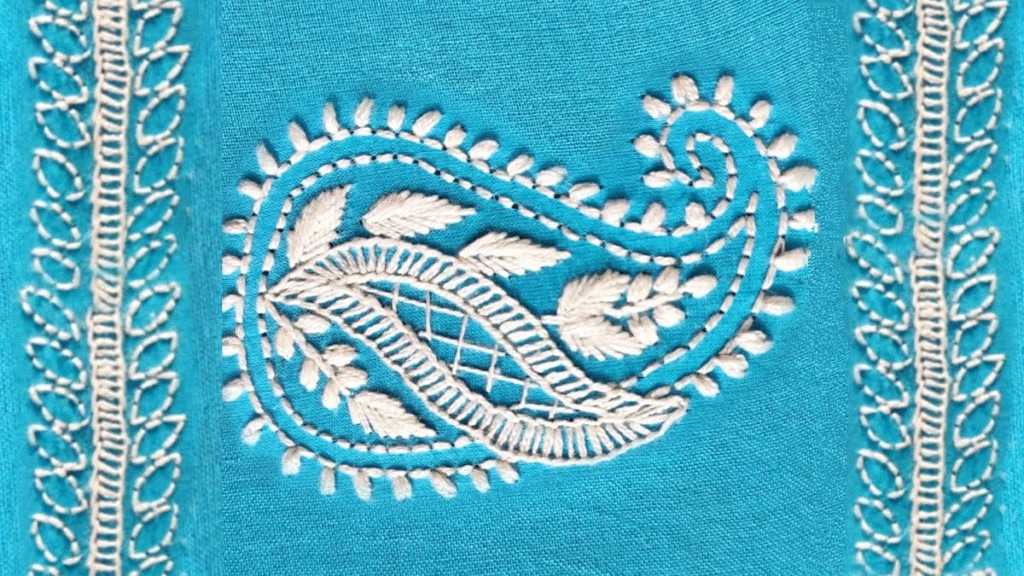
Both Zardozi and Chikankari from Uttar Pradesh have gracefully moved from royal courts to global runways. Let’s explore how these timeless crafts are performing in today’s market through some fascinating numbers and insights.
1. Production Hubs and Workforce
- Zardozi Centers: Mainly produced in Lucknow, Bareilly, and Varanasi, where thousands of artisans work in small home-based units.
- Chikankari Clusters: Lucknow remains the heart of Chikankari, with surrounding towns like Hardoi and Unnao contributing to the embroidery network.
- Artisan Strength:
- Nearly 2 lakh (200,000) artisans are involved in Chikankari work across Uttar Pradesh.
- Around 50,000–70,000 artisans earn their livelihood from Zardozi embroidery.
- Nearly 2 lakh (200,000) artisans are involved in Chikankari work across Uttar Pradesh.
- Gender Involvement: Women make up almost 70% of Chikankari artisans, while men dominate the intricate metal-thread Zardozi work.
2. Economic Contribution and Market Value
- Annual Turnover:
- Chikankari contributes approximately ₹1,200–1,500 crore annually to the local textile economy.
- Zardozi adds around ₹800–1,000 crore, with a higher value per piece due to its luxury appeal.
- Chikankari contributes approximately ₹1,200–1,500 crore annually to the local textile economy.
- Employment Impact: Together, these crafts support over 2.5 lakh families directly or indirectly.
- Product Range:
- Chikankari: Expands across sarees, kurtas, dupattas, and now even western wear.
- Zardozi: Found in bridal couture, handbags, shoes, and high-end home décor.
- Chikankari: Expands across sarees, kurtas, dupattas, and now even western wear.
3. Export Reach and Global Recognition
- Export Destinations: Both crafts have strong demand in the USA, UAE, UK, France, and Japan.
- Export Figures:
- Chikankari’s exports are valued at nearly ₹300 crore annually.
- Zardozi pieces, though smaller in volume, reach niche luxury markets with ₹150–200 crore in exports each year.
- Chikankari’s exports are valued at nearly ₹300 crore annually.
- GI Tag Recognition:
- Both arts have received Geographical Indication (GI) status, which helps preserve authenticity and boosts international visibility.
4. Current Demand Trends and Future Growth
- Fusion Fashion: Designers now mix Chikankari’s softness with Zardozi’s shine, creating Indo-western apparel for millennials.
- Online Sales Boom: Platforms like Etsy, Amazon, and Indian handicraft portals have made handmade embroidery accessible worldwide.
- Sustainability Appeal: Global consumers increasingly value handmade, eco-friendly, and culturally rooted products, giving both crafts new life.
- Projected Growth: The combined market for traditional embroidery from UP is expected to grow by 10–12% annually in the next five years.
Conclusion
Both Zardozi and Chikankari stand as shimmering jewels in Uttar Pradesh’s artistic crown—each telling a story through needle and thread. While Zardozi dazzles with its royal metallic glow, Chikankari charms with its soft, delicate grace.
Together, they reflect the heart of Indian craftsmanship—rich, soulful, and timeless. Whether you’re drawn to the sparkle of gold or the elegance of white-on-white embroidery, both art forms celebrate patience, skill, and cultural pride. In a world of fast fashion, they remind us that true beauty is always handwoven—with love, tradition, and artistry.
Read also: Batik Art from West Bengal

Leave a Reply