

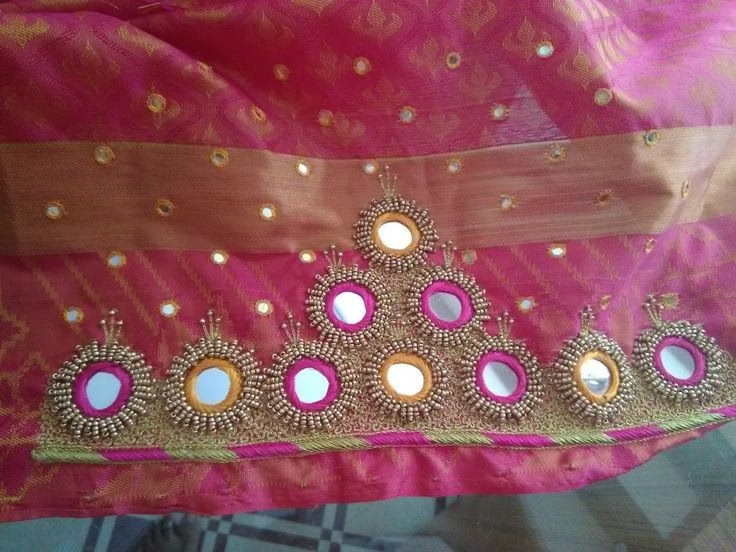
Hello, dear readers! Today, let’s step into a world where tiny mirrors catch the light and turn ordinary fabrics into shimmering pieces of art. Welcome to the beautiful craft of Abhla Mirror Work, a traditional embroidery style that has been brightening up clothing and textiles for generations. Originating from the vibrant regions of Gujarat and Rajasthan, this art form is all about stitching small mirrors onto cloth to create patterns that instantly glow with charm.
Whether it’s a colorful dupatta, a festive blouse, or a decorative wall hanging, Abhla work brings a touch of sparkle to everything it touches. It’s a craft that reflects not just light, but also culture, creativity, and the skilled hands of artisans who keep this tradition alive.
History and Cultural Evolution of Abhla Embroidery
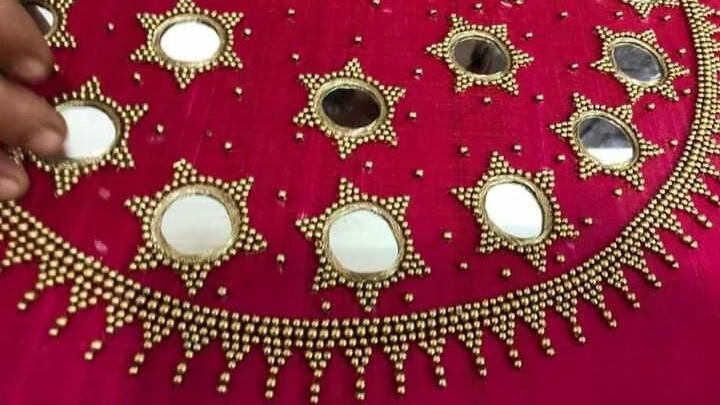
The history of Mirror Work from Abhla goes back several centuries, deeply rooted in the traditional lifestyles of communities in Gujarat and Rajasthan. This craft began as a way for tribal groups to express identity, beliefs, and social status through clothing. Small mirrors—once made from hand-polished mica—were stitched onto garments to reflect sunlight, symbolizing protection against evil spirits. Over time, these reflective pieces became a defining element of Abhla embroidery traditions, turning everyday fabrics into radiant artworks.
As different communities adopted the craft, each added unique stitches, motifs, and color combinations. Women artisans played a vital role, teaching the techniques from one generation to the next, ensuring the continuity of this cultural expression. During festivals, weddings, and special ceremonies, mirror-embroidered dresses and accessories became a mark of pride and beauty.
With the arrival of trade routes, this craft spread to other regions, gaining admiration for its dazzling charm. Today, while modern tools and synthetic materials have entered the process, the essence of the craft remains the same. From traditional attire to contemporary fashion and home décor, Mirror Work from Abhla stands as a shining example of heritage preserved through hands, stories, and time.
Materials and Tools Used in Abhla Embroidery
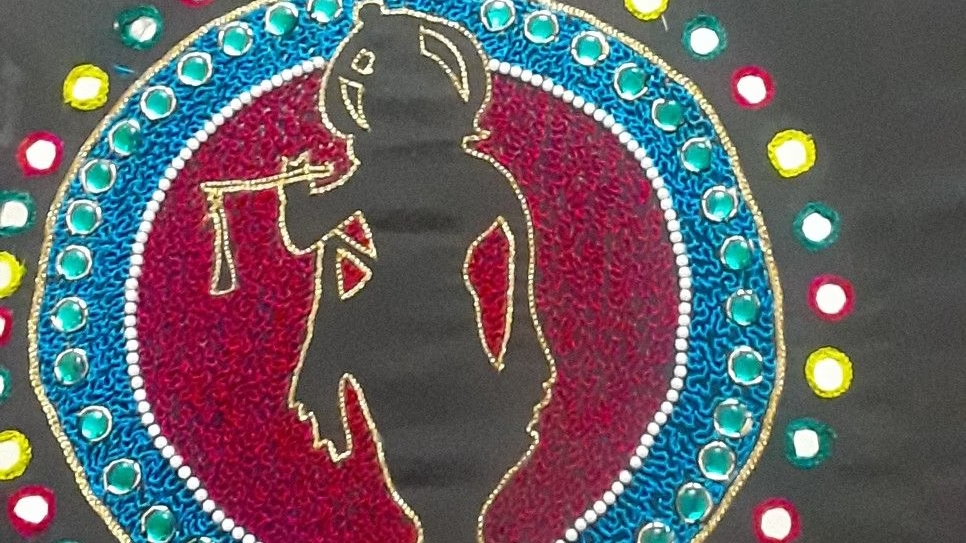
Mirror Work from Abhla is known for its sparkling elegance, and what makes it truly magical is the thoughtful use of materials and the skillful handling of time-tested tools. Each material has a purpose, a history, and a story woven into the craft. Let’s walk through the key materials and tools that shape this beautiful traditional art form.
1. Mirrors (Abhla / Shisha): The Heart of the Craft
- Round Mirrors:
Used most commonly for their simplicity and shine. They reflect maximum light and sit beautifully in geometric patterns. - Square Mirrors:
Frequently used in borders or central panels to create symmetry and balance. - Diamond-Shaped Mirrors:
Ideal for motifs like stars, flowers, and cosmic-inspired patterns. - Hand-Cut Glass Pieces:
In older Abhla embroidery traditions, artisans used hand-cut glass fragments, polished manually for clarity. - Colored Mirrors:
Contemporary designs often include tinted mirrors to add vibrancy to modern apparel and accessories.
2. Threads: The Binding Force
- Cotton Thread:
Most commonly used due to its strength and durability. Perfect for daily-wear textiles. - Silk Thread:
Adds a glossy, luxurious finish. Preferred for bridal or ceremonial outfits. - Rayon Thread:
Smooth and long-lasting, this has become the modern favorite for machine-supported stitching. - Zari Thread:
Gold and silver-toned threads used to highlight motifs and make mirror outlines more ornate.
3. Needles: Simple Tools with Precision
- Sharp Needles (No. 7–10):
Used for attaching mirrors with the classic buttonhole stitch technique. - Embroidery Needles:
Designed with larger eyes for thicker threads like silk and zari. - Beading Needles:
Used in contemporary Mirror Work from Abhla to add beads around mirrors for decorative borders.
4. Fabric Base: The Canvas of Creativity
- Cotton Fabric:
Traditional artisans prefer cotton for everyday garments and home décor. - Silk Fabric:
Ideal for festive wear, sarees, odhanis, and bridal ensembles. - Georgette and Chiffon:
Lightweight materials used in modern fashion adaptations. - Denim & Canvas:
Rising trend in bags, jackets, and western fusion wear.
5. Supporting Tools for Crafting
- Embroidery Hoops:
Keeps the fabric stretched tight for neat stitching. - Small Scissors:
Essential for cutting threads, trimming ends, and perfecting motifs. - Fabric Chalk:
Helps artisans trace patterns before placing mirrors. - Measuring Tape:
Ensures symmetry, especially in larger designs like dupattas or wall hangings.
6. Adhesives and Binding Aids (Optional but Helpful)
- Fabric Glue:
Used in modern commercial work to hold mirrors temporarily before stitching. - Stabilizer Sheets:
Placed behind thin fabrics to prevent puckering during embroidery. - Interlining:
Provides strength to wearable items like blouses, bags, and belts.
Step-by-Step Process of Creating Mirror Work
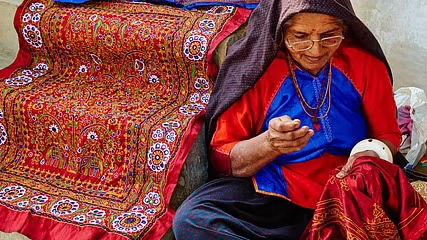
Mirror Work from Abhla is celebrated for its sparkle, precision, and deep connection with traditional craftsmanship. To understand this beautiful art, let’s walk through each stage of how artisans transform plain fabric into a shining masterpiece. This step-by-step journey also reflects the essence of Abhla embroidery traditions, which have been passed down for generations.
1. Preparing the Fabric Base
- Artisans begin by selecting a suitable fabric such as cotton, silk, georgette, or khadi.
- The cloth is washed, ironed, and stretched tightly on a wooden frame to ensure it remains firm during stitching.
- This firm base helps the mirrors settle properly and prevents wrinkles later.
2. Choosing and Sorting Mirrors
- Small circular, square, or diamond-shaped mirrors—called abhla—are chosen based on the design required.
- Artisans inspect each mirror carefully to ensure there are no cracks or sharp edges.
- Different mirror sizes are selected to give the final piece depth and sparkle.
3. Creating the Design Layout
- Before stitching begins, the craftsperson draws the pattern lightly on the fabric using chalk.
- These motifs may include flowers, geometric shapes, stars, or traditional folk symbols.
- The layout helps decide where each mirror will be placed for a balanced look.
4. Positioning the Mirrors
- One by one, mirrors are placed on the drawn markings.
- A tiny dot of glue is sometimes used to hold the mirror temporarily in place.
- This step ensures mirrors do not shift as stitching begins.
5. Starting the Anchor Stitch
- Each mirror is fixed using a special anchor stitch called buttonhole stitch or cross stitch.
- The thread is looped tightly around the mirror, forming a secure frame.
- This ensures that even after years of use, the mirror will not fall off.
6. Completing the Surrounding Embroidery
- After the mirror is fixed, artisans add decorative stitches around it.
- Popular stitches include:
- Chain stitch for outlines
- Herringbone stitch for filling
- Interlaced stitch for texture
- Chain stitch for outlines
- These stitches enhance the beauty of the mirror and give the design a rich handmade feel.
7. Adding Multiple Mirrors to Form Patterns
- Several mirrors are grouped to create detailed motifs like sunbursts, peacocks, mandalas, or floral vines.
- The careful placement of each mirror creates a rhythm in the design, a signature characteristic of Mirror Work from Abhla.
8. Finishing the Fabric
- Once embroidery is complete, the cloth is removed from the frame.
- Loose threads are neatly trimmed, and the fabric is gently ironed from the backside.
- The final piece shines beautifully, ready to be used in garments, home décor, or accessories.
9. Final Quality Check
- Skilled artisans inspect the final work to ensure every mirror is tightly secured.
- They also verify uniformity in stitching, spacing, and pattern flow.
- Only after this careful checking is the piece considered complete.
Symbols and Motifs Reflected in Abhla Art
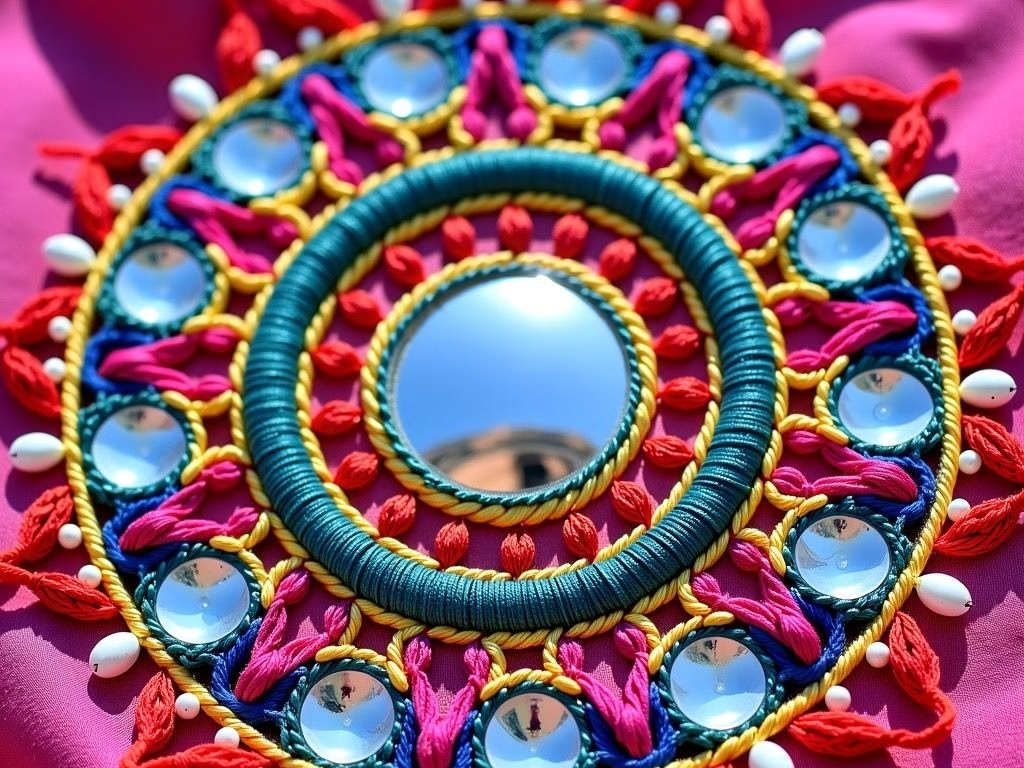
In Abhla mirror work reflect cultural beliefs, nature-inspired patterns, protective elements, and vibrant expressions of community identity and heritage.
1. Introduction to the Visual Language of Abhla Art
- The beauty of Mirror Work from Abhla lies not just in its sparkle but in the deep symbolic meanings behind every motif.
- Each tiny mirror, every stitch, and every geometric pattern in Abhla embroidery traditions carries cultural stories, emotions, and spiritual beliefs.
2. Sun Motifs: Symbol of Energy and Protection
- Radiating circle mirrors represent the sun, a powerful and sacred symbol in rural communities.
- These motifs are commonly placed at the center of larger patterns to represent:
- Life-giving energy
- New beginnings
- Protection from negativity
- Life-giving energy
- The shine of the mirror itself is believed to repel bad luck, making the sun motif both artistic and spiritual.
3. Moon Motifs: Grace, Rhythm, and Femininity
- Crescent-shaped designs reflect the gentle and calming nature of the moon.
- Used mostly in women’s garments, these motifs highlight:
- Femininity and elegance
- Harmony with nature’s cycles
- Emotional balance and peace
- Femininity and elegance
- Mirrors placed around crescents add a celestial sparkle, enhancing the soothing symbolism.
4. Geometric Patterns: Balance, Order, and Tribal Identity
● Squares and Checkered Motifs
- Represent stability, grounding, and balance.
- Often stitched on borders to add a structured, rhythmic design.
● Triangles and Zigzag Lines
- Triangles stand for strength and growth.
- Zigzags symbolize movement, transition, and fluidity of life.
● Diamond Motifs
- One of the most iconic elements in Abhla embroidery traditions.
- Symbolizes the eye, believed to protect the wearer from the evil eye.
- Mirrors placed at the center enhance its protective quality.
5. Floral Motifs: Nature’s Joy and Celebration
- Flowers symbolize prosperity, beauty, and celebration—values deeply rooted in village life.
- Common floral motifs include:
- Lotus – purity and spiritual awakening
- Five-petal flower – balance of the five elements
- Circular floral clusters – unity and community bonding
- Lotus – purity and spiritual awakening
- Mirrors add sparkle to the petals, making the design feel alive in the sunlight.
6. Animal and Bird Motifs: Freedom, Fertility, and Strength
● Peacock Motifs
- Symbolize beauty, pride, and abundance.
- Widely seen in festive garments and bridal textiles.
● Elephant Motifs
- Represent strength, wisdom, and royal charm.
- Mirrors highlight the majestic nature of the design.
● Parrot Motifs
- Associated with love, companionship, and communication.
- Popular in attire designed for weddings and ceremonies.
7. Spiral and Circular Designs: Life Cycles and Community
- Spirals represent shared journeys, growth, and continuity of traditions.
- Circular mirror clusters symbolize:
- Unity within the community
- Circle of life and renewal
- Harmony and emotional balance
- Unity within the community
8. Mirror Stars and Cosmic Motifs: Hope and Aspiration
- Star-like arrangements using small mirrors reflect the vast night sky admired by artisans.
- These motifs express:
- Dreams and ambitions
- Guidance in life
- A connection to cultural roots and cosmic beliefs
- Dreams and ambitions
Statistics of Mirror Work from Abhla
1. Craft Community & Workforce Numbers
- Across Gujarat and Rajasthan, over 22,000+ artisans are estimated to be directly or indirectly involved in Mirror Work from Abhla, including stitchers, mirror suppliers, dyers, and local traders.
- Around 68% of these artisans are women, preserving Abhla embroidery traditions through household looms and cluster workshops.
- In major craft villages, nearly 1 in every 5 households is connected to mirror embroidery as a primary or secondary income source.
2. Production & Output Statistics
- On average, an artisan produces 2 to 3 medium-sized embroidered pieces (such as cushion covers or blouses) per week, depending on the complexity of the mirrors and stitches used.
- Annual craft cluster output for Mirror Work from Abhla is estimated at 14–16 lakh handcrafted items, ranging from garments to home décor.
- Nearly 40% of the output is now diversified into modern products—bags, apparel inserts, wall hangings, and accessories—boosting demand.
3. Economic Impact & Market Value
- The combined craft market value of Abhla-style mirror work across India is estimated to be ₹120–₹180 crore annually, depending on festival seasons and export orders.
- Export demand contributes roughly 30–35% of the total value, with shipments sent to the USA, UK, France, Japan, and the Middle East.
- Individual artisans earn an average monthly income of ₹6,000–₹18,000, depending on skill level, design complexity, and access to buyer networks.
- Government and NGO-supported craft programs have increased artisan income by nearly 22% in the last 5–6 years.
4. Demand & Consumer Trends
- Over the last decade, demand for handcrafted mirror work has grown by nearly 40%, fueled by sustainable fashion trends and the revival of regional textiles.
- Festive seasons like Navratri and Diwali account for almost 50% of annual retail demand for mirror-work garments and accessories.
- Social media platforms showcase more than 3 lakh posts under keywords related to Abhla embroidery traditions, showing rising global curiosity and engagement.
- Urban consumers now prefer fusion wear, causing a 28% surge in demand for ready-to-wear products with subtle Abhla embellishments.
5. Cost & Time Statistics
- A single hand-stitched mirror motif takes 4–10 minutes, depending on size and stitch type.
- Complex mirror embroidery pieces like lehengas can take 120–300 hours of continuous work by multiple artisans.
- Raw materials—mirrors, thread, fabric bases, and needles—make up 30–35% of the overall product cost.
- Skilled artisans spend nearly 6–8 hours daily on embroidery, with seasonal peaks extending workdays to 10 hours.
6. Sustainability & Craft Preservation Numbers
- Around 55% of young artisans (aged 18–30) show renewed interest in learning the craft after training programs offered in craft hubs.
- Nearly 20 new design workshops have emerged in craft clusters over the last decade, supporting both innovation and livelihood.
- GI-tagged textile zones and state initiatives have reduced fake machine-made products by 15–20%, strengthening the authenticity of Mirror Work from Abhla.
Conclusion
Mirror Work from Abhla continues to shine as a stunning symbol of India’s handmade legacy. Its delicate stitches, vibrant patterns, and tiny reflective pieces show how artistry and tradition blend beautifully in everyday textiles. Even today, artisans carry forward Mirror Work from Abhla with pride, preserving techniques passed down through generations.
This craft not only decorates fabrics but also reflects the rich stories and cultural identity behind Abhla embroidery traditions. As modern designers embrace this timeless art, its sparkle promises to stay alive, inspiring new creations while honoring its roots.
Also read: Kasuti Embroidery vs Lambani Embroidery of Karnataka

Leave a Reply