

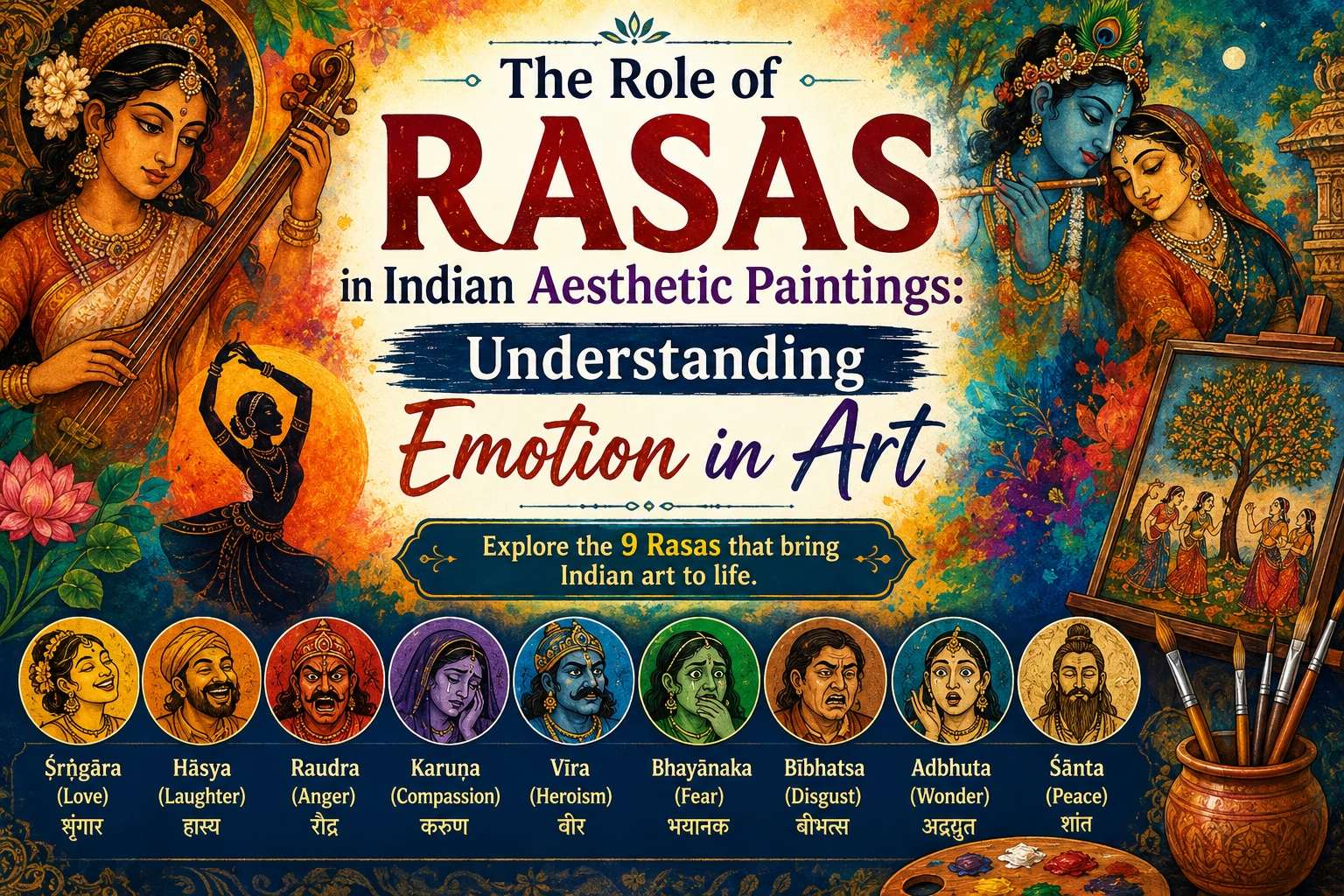
Hello folks! Have you ever looked at a painting and felt something stir inside you? Maybe a wave of calm, a burst of joy, or even a tinge of sadness? That’s not just coincidence—that’s the magic of rasa theory at work. In Indian Aesthetics, emotions aren’t just random feelings.
They’re carefully crafted, intentionally evoked, and deeply meaningful. This ancient wisdom has shaped everything from classical dance to aesthetic paintings for over two thousand years.
Let’s dive into this fascinating world and understand what “rasa” really means and why it still matters today.
What Is Rasa – The Simple Explanation
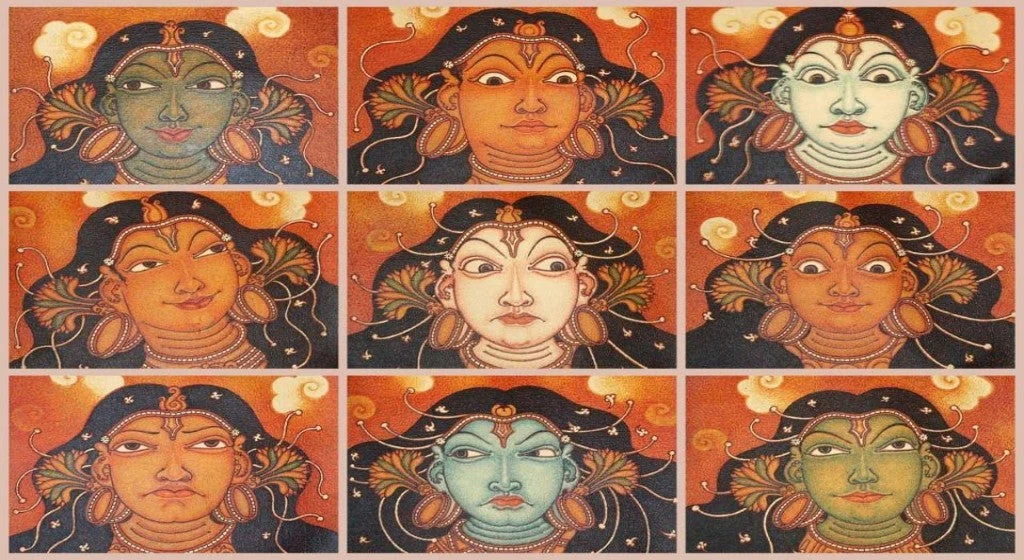
Let’s start with the most basic question—what is rasa? The word “rasa” in Sanskrit literally means “juice,” “essence,” or “taste.” Think of it like this: when you eat a perfectly spiced dish, you don’t just taste individual ingredients. You experience a blend of flavors that creates something greater than the sum of its parts. That’s exactly what rasa theory does for art.
In simple terms, what is rasa? It’s the emotional flavor or aesthetic taste that an artwork creates in you. It’s that feeling you get when you look at a beautiful aesthetic painting, and it touches your soul. It’s the emotion you experience when watching a powerful performance that makes you laugh, cry, or feel inspired.
Here’s the key idea:
- Rasa isn’t just any emotion
- It’s a universal, refined emotion
- It’s detached from your personal life
- It’s experienced purely through art
Quick example: When you watch a sad movie, you might cry. But you’re not really sad about your own life—you are experiencing karuna rasa (compassion) through the art. That’s the magic of rasa theory.
The History of Rasa Theory in Indian Aesthetics
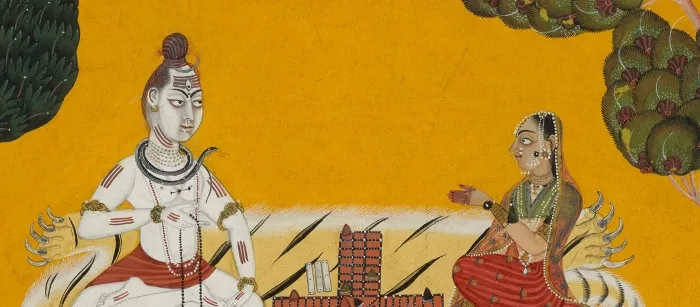
Rasa theory has a rich history that spans over two thousand years. It’s one of the oldest and most sophisticated aesthetic theories in the world.
The Birth of Rasa Theory
The earliest known text on Indian Aesthetics is the Natyashastra, written by Bharata Muni sometime between 200 BCE and 400 CE. This ancient Sanskrit text is essentially a handbook for drama and performance arts. It covers everything from stage design to acting techniques.
But here’s the thing: Chapter 6 of the Natyashastra is the most important part. It’s where Bharata introduces the concept of rasa. He called it the “rasa sutra”—the foundational formula for understanding emotion in art.
What Bharata said:
“Rasa is produced from a combination of Determinants (vibhava), Consequents (anubhava), and Transitory States (vyabhicaribhava).”
This formula became the backbone of Indian Aesthetics for centuries.
The Golden Age of Rasa Theory
The 9th and 10th centuries CE were a golden age for rasa theory. Kashmir Shaivite philosopher Abhinavagupta wrote extensive commentaries on Bharata’s work. He added a ninth rasa to the original eight—the peaceful (shanta) rasa.
During this period, rasa theory:
- Expanded from drama to poetry and literature
- Became central to all Indian arts
- Influenced dance, music, and painting
- Developed sophisticated philosophical foundations
Rasa in Painting and Visual Arts
While rasa theory began with drama, it quickly spread to the visual arts. The concept of what rasa is in painting is particularly fascinating. Painters were encouraged to depict bhava (emotional states) that would evoke rasa in viewers.
In painting, rasa is created through the following:
- Colors and their associations
- Facial expressions and gestures
- Composition and arrangement
- Narrative themes and subjects
Ancient texts on Indian painting, like the Vishnudharmottara Purana, discuss how to depict emotions through visual means.
The Eight (and Nine) Rasas – The Complete List
In Indian Aesthetics, there are eight primary rasas, plus a ninth added later. Each has a specific color and presiding deity.
The Eight Rasas:
| Rasa | Emotion | Color | Presiding Deity |
| Śṛṅgāra | Erotic, Love, Beauty | Dark Blue (Śyāma) | Vishnu |
| Hāsya | Laughter, Comedy | White | Shiva/Pramatha |
| Karuna | Compassion, Pathos | Grey (Kapota) | Yama |
| Raudra | Fury, Anger | Red | Rudra |
| Vīra | Heroism | Yellow/Gold | Mahendra |
| Bhayānaka | Fear, Terror | Black | Kala |
| Bībhatsa | Disgusting, Odious | Blue | Mahakala |
| Adbhuta | Wonder, Marvel | Yellow | Brahma |
The Ninth Rasa (added by Abhinavagupta):
- Śānta (Peaceful) – The serene, tranquil emotion
A fascinating fact: The rasas come in pairs. For example, Hāsya (comedy) naturally arises from Śṛṅgāra (love). The color of a frightened person is black, while anger is red.
1. Śṛṅgāra – The Romantic Rasa
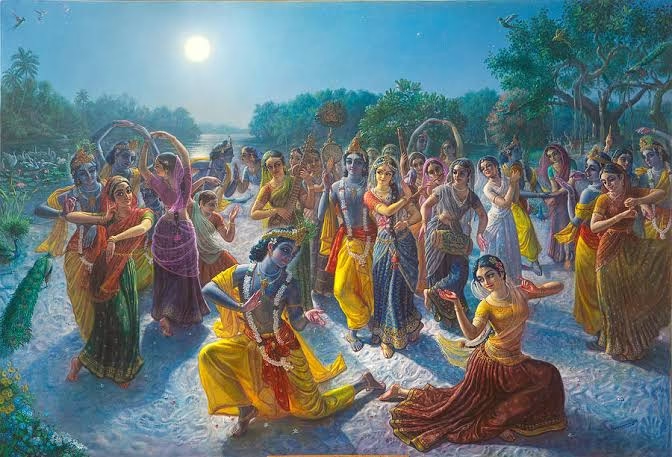
This is the rasa of love, beauty, and attraction. It’s often considered the king of rasas because it’s so universally appealing. In aesthetic paintings, Śṛṅgāra is depicted through romantic scenes, beautiful landscapes, and graceful figures.
Examples in art:
- Krishna and Radha paintings
- Mughal miniature love scenes
- Classical dance love stories
2. Karuna – The Compassionate Rasa
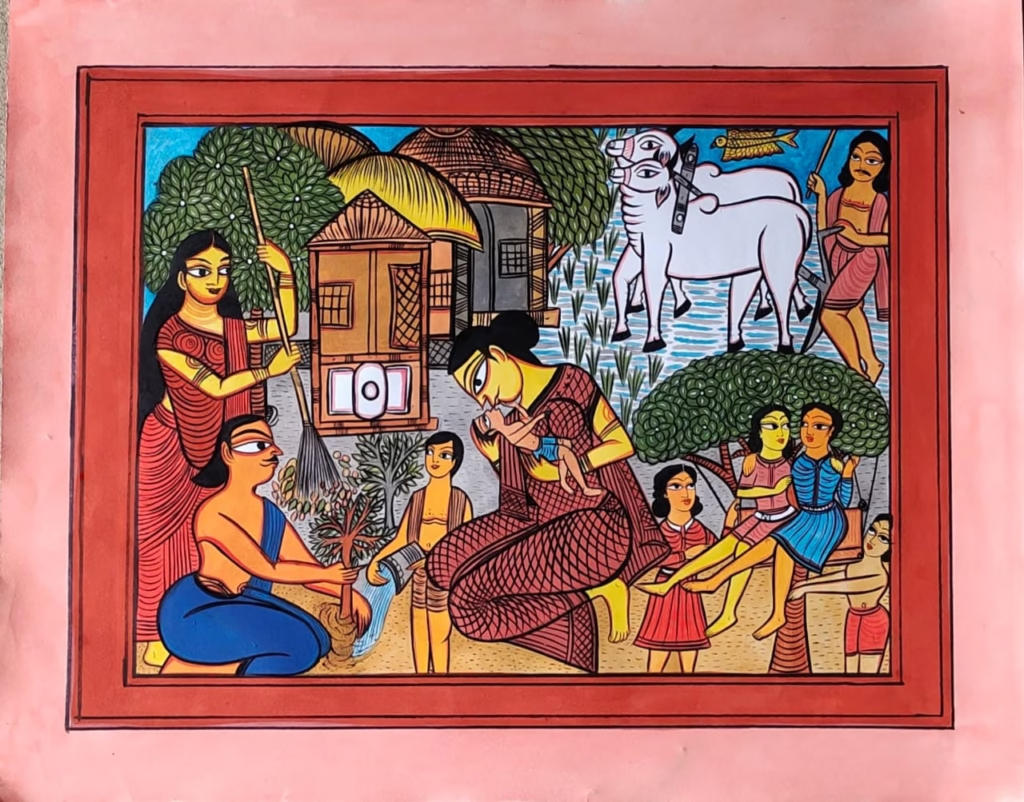
Karuna is the emotion of pity, compassion, and sorrow. It’s the dominant rasa in many of India’s greatest stories. Interestingly, the Ramayana was born from Karuna rasa. When Valmiki saw a hunter kill a male crane, he was filled with such grief that the verses of the epic emerged spontaneously.
In painting, Karuna is depicted through
- Muted colors like grey and pale pink
- Melancholic scenes and mournful figures
- Moments of loss or separation
3. Hāsya – The Comic Rasa (Laughter, Comedy, Joy)
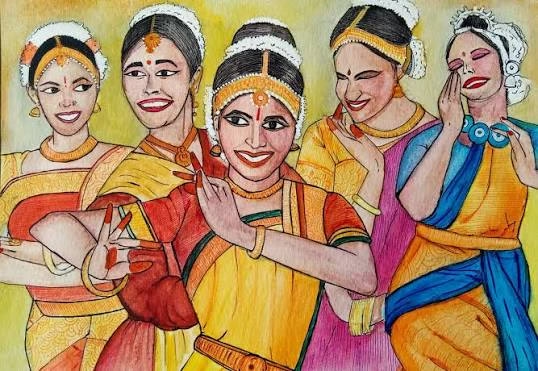
Hāsya is the rasa of laughter, joy, and amusement. It’s the emotion you feel when something is funny or lighthearted. In Indian Aesthetics, Hāsya naturally arises from Śṛṅgāra (love) because love often leads to playful, joyful moments.
Examples in art:
- Comic scenes in temple sculptures
- Fun-loving Krishna playing pranks
- Entertaining folk performances
What it feels like: Lightness, happiness, and a sense of playfulness.
The color association: White, representing purity and joy.
4. Raudra – The Furious Rasa (Anger, Fury, Wrath)
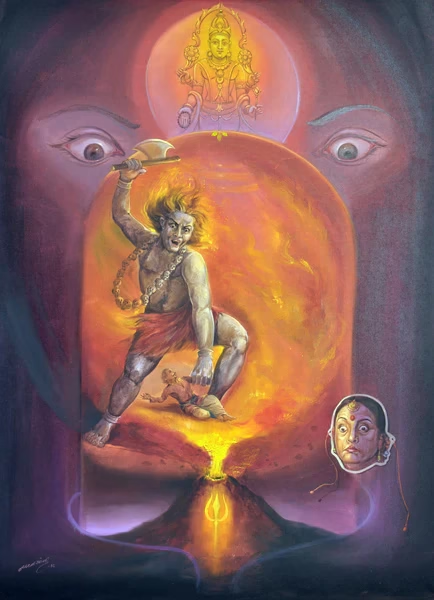
Raudra is the rasa of anger and fury. It’s the emotion you feel when you see injustice, betrayal, or violence. In aesthetic paintings, Raudra is depicted through fiery colors, aggressive poses, and intense expressions.
Examples in art:
- Shiva’s tandava (dance of destruction)
- Ravana in battle
- Durga slaying the demon Mahishasura
What it feels like: Intense heat, energy, and righteous fury.
The color association: Red, representing fire and passion.
5. Vīra – The Heroic Rasa (Courage, Heroism, Valor)
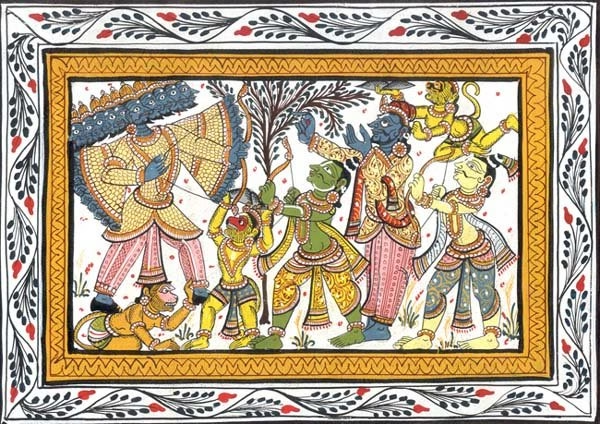
Vīra is the rasa of heroism and courage. It’s the emotion you feel when you see someone brave, noble, or fighting for a just cause. This rasa fills you with inspiration and strength.
Examples in art:
- Rama is preparing for battle
- Arjuna on the battlefield of Kurukshetra
- Warrior kings in Rajput paintings
What it feels like: Inspiration, strength, and a sense of purpose.
The color association: Yellow or gold, representing valor and glory.
6. Bhayānaka – The Terrifying Rasa (Fear, Terror, Dread)
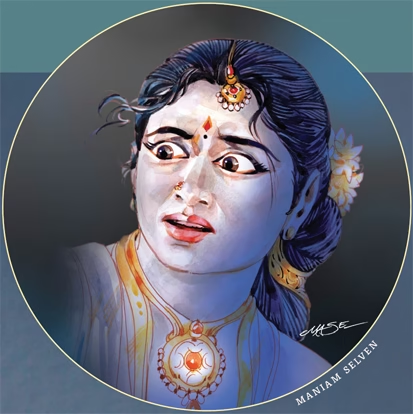
Bhayānaka is the rasa of fear and terror. It’s the emotion you feel when you see something frightening or threatening. In aesthetic paintings, this rasa is created through dark colors, monstrous figures, and unsettling scenes.
Examples in art:
- Depictions of Kali in fierce form
- Scenes of demons and battles
- Dark, stormy landscapes
What it feels like: Unease, tension, and a sense of danger.
The color association: Black, representing darkness and fear.
7. Bībhatsa – The Disgusting Rasa (Disgust, Revulsion, Odious)
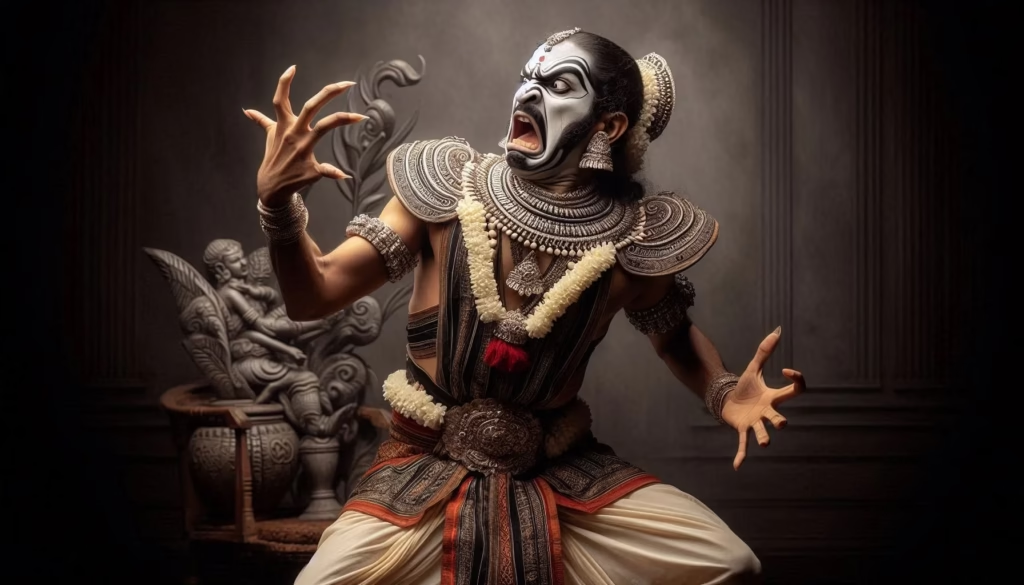
Bībhatsa is the rasa of disgust and revulsion. It’s the emotion you feel when you see something ugly, rotten, or repulsive. While it might seem negative, this rasa serves an important purpose – it helps us appreciate beauty by contrast.
Examples in art:
- Scenes of decay or death
- Depictions of demons and monsters
- Jain art representing the body’s impermanence
What it feels like: Revulsion, aversion, and a desire to turn away.
The color association: Blue, representing coldness and detachment.
8. Adbhuta – The Marvelous Rasa (Wonder, Astonishment, Amazement)
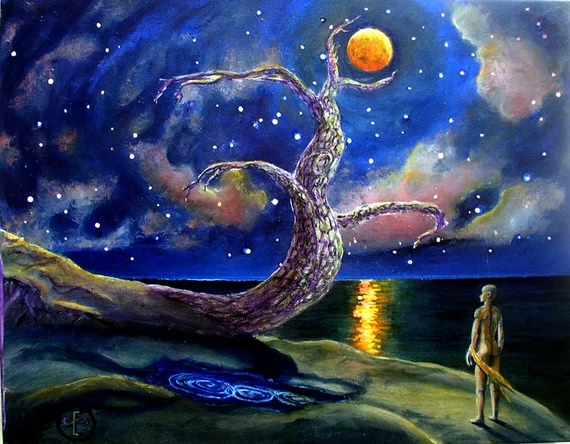
Adbhuta is the rasa of wonder and amazement. It’s the emotion you feel when you see something extraordinary, magical, or surprising. This rasa fills you with awe and curiosity.
Examples in art:
- Krishna’s divine feats
- Scenes of celestial beings and heavens
- Miraculous events and supernatural occurrences
What it feels like: Wonder, curiosity, and a sense of awe.
The color association: Yellow, representing brilliance and light.
9. Śānta – The Peaceful Rasa (Tranquility, Serenity, Calm)
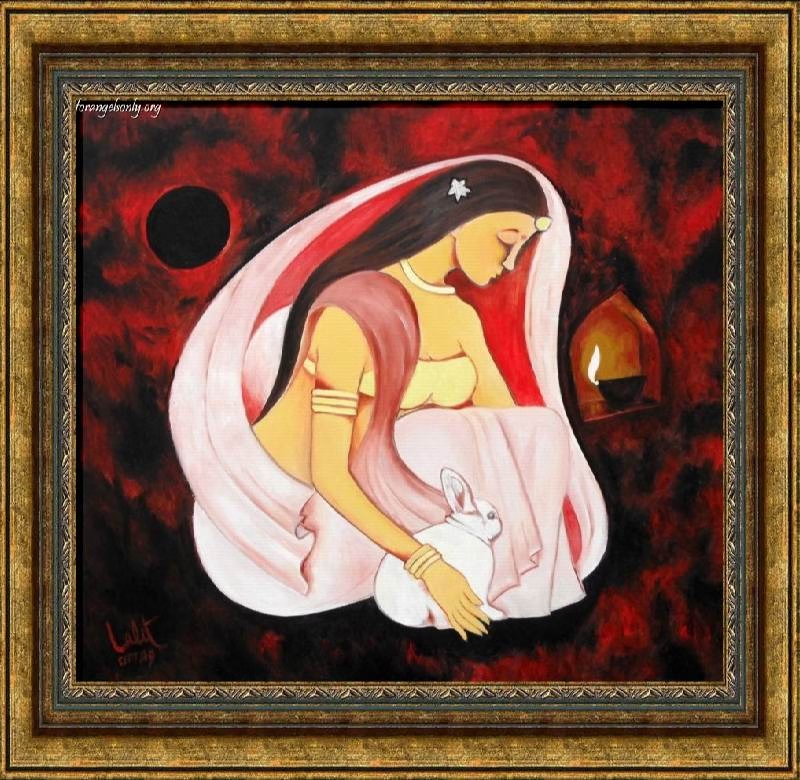
This is the ninth rasa, added later by Abhinavagupta. Śānta is the rasa of peace and tranquility. It’s the emotion you feel when you see a calm, serene scene that fills you with inner stillness. Many scholars argue that Śānta is the highest rasa, as it represents spiritual attainment.
Examples in art:
- Buddha in meditation
- Peaceful Himalayan landscapes
- Ascetic figures in quiet contemplation
What it feels like: Deep calm, stillness, and inner peace.
The color association: White or pale colors, representing purity and calm.
The Science of Rasa – How It Actually Works
Now let’s understand what rasa is from a technical perspective. The Natyashastra gives us a clear formula for how rasa is created.
The Three Components of Rasa
Vibhava – The Causes (Determinants)
Vibhava literally means “that which causes emotion.” These are the circumstances, characters, and situations that create emotional responses in the audience.
Types of Vibhava:
- Alambana Vibhava: The character or object that is the source of emotion (the hero, the beloved, etc.)
- Uddipana Vibhava: The excitants that intensify the emotion (the moonlight, the setting, the season, etc.)
Example in a love scene:
- Alambana: The beautiful heroine
- Uddipana: The moonlit garden, the fragrance of flowers, the cool breeze
Anubhava – The Effects (Consequents)
Anubhava is the visible reaction that follows the emotion. These are the gestures, facial expressions, and movements that show what a character is feeling.
Examples of Anubhava:
- Tears indicate sorrow
- Blushing indicates love
- Trembling indicates fear
- Smiling indicates joy
Vyabhicaribhava—The Transitory States
These are the fleeting, secondary emotions that accompany and intensify the main feeling. They come and go quickly but add depth and richness to the emotional experience.
Examples:
- Jealousy in a love scene
- Despair in a tragedy
- Surprise in a comedy
The Rasa Sutra – The Complete Formula
Bharata’s famous statement is:
“Rasa is produced from a combination of Vibhava, Anubhava, and Vyabhicaribhava.”
Think of it this way:
- Vibhava = The situation and the characters
- Anubhava = The visible reactions
- Vyabhicaribhava = The supporting emotions
- Together = The final Rasa experience
Who Creates Rasa – The Performer’s Role
In theater and dance, the performer plays a crucial role in creating rasa. The actor uses their own emotional memory and training to express the character’s feelings. This is very similar to what acting teachers like Stanislavski would later teach in the West.
How performers create rasa:
- Use their own emotional experiences as source material
- Express emotions through gestures, face, and voice
- Transform their individual feelings into universal emotions
- Don’t just show emotion—become it
Who Receives Rasa – The Audience’s Role
In Indian Aesthetics, the audience isn’t passive. Rasa is a co-creation between the artist and the viewer. This is one of the most unique aspects of rasa theory.
To experience rasa, a viewer must be
- Sahridaya: Literally “of one heart” with the artist. A sensitive, prepared spectator.
- Detached: Not personally involved in the situation, able to view it objectively
- Cultured: Have a background in appreciating art
What makes a Sahridaya?
According to Abhinavagupta, a sahridaya is someone who has been exposed to literary works and has made it a habit to think about them. This preparation attunes their minds to receive poetic emotions.
The Unique Nature of Rasa
What is rasa that makes it different from ordinary emotion?
Ordinary emotion vs. Rasa:
- Ordinary emotion: Personal, self-centered, involves real consequences
- Rasa: Universal, detached, purely for aesthetic enjoyment
When you watch a play, you’re not truly afraid because there’s no real threat to your life. You’re not truly grieving because the character isn’t your loved one. This detachment is essential for experiencing rasa.
The paradox: Rasa is both deeply emotional and perfectly detached. You feel the emotion powerfully, but it doesn’t threaten your well-being.
Rasa in Different Art Forms
Rasa theory applies to virtually all Indian arts.
Rasa in Music (Ragas)
Each raga in Indian classical music is designed to evoke a specific rasa. Hindustani and Carnatic music categorize ragas by the emotions they create.
Musical Rasas:
- Romantic (Shringara): Raga Yaman, Raga Kalyani
- Heroic (Vira): Raga Bilawal, Raga Sankarabharanam
- Peaceful (Shanta): Raga Bhairav, Raga Hindolam
How ragas create rasa:
- Specific note combinations
- Particular scales and modulations
- Associative meanings (morning ragas vs. evening ragas)
Rasa in Dance
Classical Indian dance forms like Bharatanatyam, Kathak, Odissi, and Kuchipudi are built around rasa theory. Dancers use elaborate gestures and facial expressions to convey specific emotions to the audience.
In dance, rasa is created by the following:
- Mudras (hand gestures)
- Abhinaya (expressive acting)
- Footwork and rhythm
- Costumes and makeup
Rasa in Painting and Aesthetic Paintings
The concept of rasa in aesthetic paintings is particularly fascinating. Painters had to depict emotions using visual language.
In painting, artists evoke rasa through the following:
- Color symbolism: Each rasa has an associated color
- Composition: Arranging figures to convey emotion
- Expression: Facial features and body language
- Setting: Landscapes that intensify the mood
Example: In the famous painting of Valmiki meditating by the river, the artist uses dull pinks, mellow greens, and dull greys to evoke the innate pathos of the scene. The twisted form of the dying crane, the anguished cries of its mate, and the upturned branches of the tree all work together to create Karuna rasa.
Rasa in Cinema
Even today, rasa theory influences Indian cinema. Many scholars argue that understanding rasa can help us appreciate Indian film aesthetics better than Western models.
In cinema, rasa is created by the following:
- Acting style
- Music and songs
- Melodrama and storytelling
- Visual composition
Rasa in the Modern World – Why It Still Matters
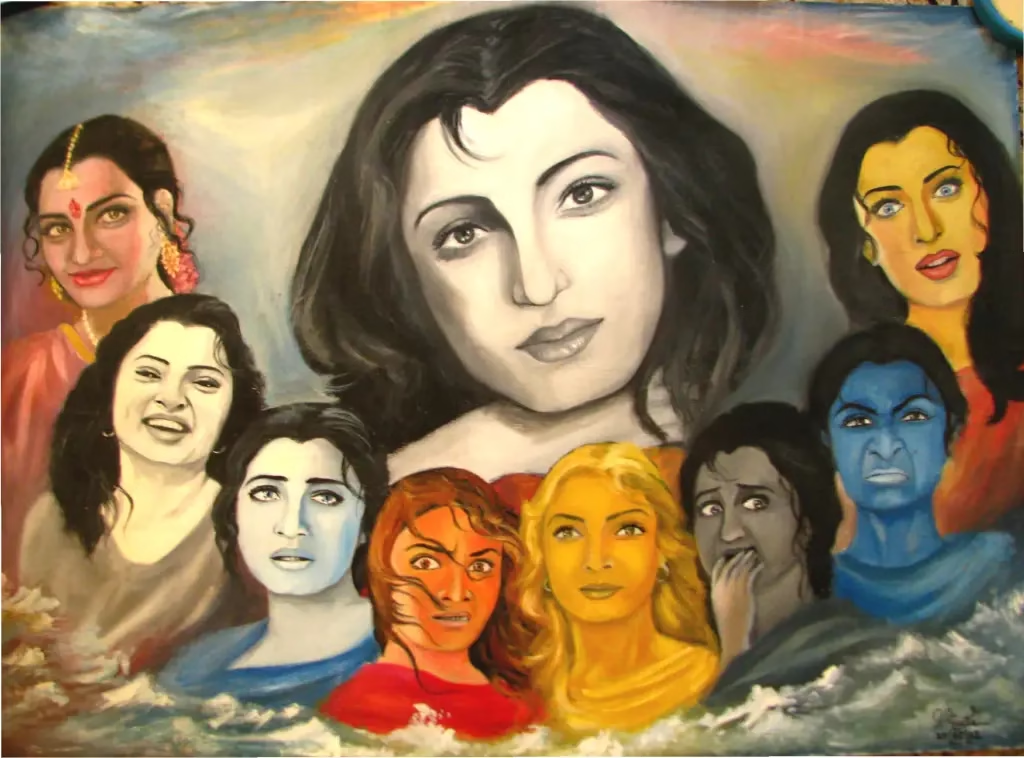
What is rasa in the 21st century? It’s more relevant than ever.
Rasa in Global Aesthetics
Indian thinkers like Abhinavagupta created a sophisticated aesthetic theory centuries before Western aesthetics was formalized. While Western aesthetics often privileged sight, Indian Aesthetics privileged taste—a more embodied, multisensory experience.
The Western vs. Indian aesthetic comparison:
- Western: Sight is dominant; art is for contemplation
- Indian: Taste is dominant; art is for embodiment and participation
Rasa and Embodied Experience
Modern thinkers are fascinated by rasa theory because it offers an alternative to Western aesthetic models. It’s more holistic, more involved, and more participatory.
The concept of “tasting” art:
According to Abhinavagupta, rasa is an “act of relishing.” It requires actively “ingesting” and “digesting” a performance or artwork, incorporating it into the self. This is far removed from the passive consumption of art.
Rasa as Sustainability
Some scholars even argue that rasa theory offers a model of sustainability. By promoting engagement, participation, and connection, it encourages a different way of relating to the world – one that could help us address ecological crises.
How rasa helps sustainability:
- Encourages active engagement with experiences
- Promotes connection rather than separation
- Values embodied, sensory knowledge
- Fosters awareness and presence
Rasa in the Art Market
The concept of rasa is also used to understand the value of aesthetic paintings. Works by masters like S.H. Raza, M.F. Husain, and F.N. Souza are said to have their own rasa. This is what makes them unique and valuable.
The market perspective:
- Artists with distinctive rasa command higher prices
- Depth of work creates lasting value
- Masterpieces evoke multiple rasas simultaneously
- The “depth” of a work lies in its emotional range
Rasa in Contemporary Painting – What to Look For
When you look at aesthetic paintings, here’s how to identify and appreciate the rasa.
How to Recognize Rasa in Visual Art
Color clues:
- Red paintings = Raudra (fury) or strong emotions
- Dark paintings = Bhayanaka (fear) or sadness
- Bright paintings = Adbhuta (wonder) or joy
- Muted tones = Karuna (compassion) or pathos
Subject clues:
- Romantic scenes = Shringara
- Heroic figures = Vira
- Comic situations = Hasya
- Frightening imagery = Bhayanaka
- Peaceful settings = Santa
Composition clues:
- Angry figures = Raudra
- Lovers in embrace = Shringara
- Still, calm figures = Santa
- Distorted or grotesque = Bibhatsa
Rasa and Your Response
Ultimately, what rasa is about is your response as a viewer. When you look at an aesthetic painting, ask yourself:
- What emotion do I feel?
- Is this a pure aesthetic emotion (detached from my personal life)?
- Can I identify what’s causing this emotion?
- How does the artist use color, composition, and subject to create this?
The more you practice observing rasa in art, the more you become a sahridaya—a sensitive spectator who truly appreciates art.
FAQs – Frequently Asked Questions
Q1. What is rasa in simple words?
Rasa is the emotional flavor or taste that an artwork creates in you. It’s a universal feeling you experience when appreciating art, detached from your personal life, like the joy you feel watching a comedy or the compassion you feel in a tragedy.
Q2. How many rasas are there in Indian aesthetics?
There are eight primary rasas in Bharata’s Natyashastra: love, comedy, compassion, anger, heroism, fear, disgust, and wonder. Abhinavagupta later added a ninth—the peaceful (shanta) rasa.
Q3. What is the difference between bhava and rasa?
Bhava is the emotion felt by a character or performer, while rasa is the aesthetic emotion experienced by the audience. Bhava is personal and specific, while rasa is universal and detached from individual circumstances.
Q4. Why is the taste metaphor important in rasa theory?
Bharata compared experiencing art to tasting well-spiced food. Just as spices create a delicious flavor, elements like vibhava, anubhava, and vyabhicaribhava combine to create rasa. This emphasizes the embodied, participatory nature of aesthetic experience.
Q5. Can a painting have multiple rasas?
Yes, most works of art, especially complex ones like paintings, can evoke multiple rasas. Masters like S.H. Raza and M.F. Husain are known for layers of emotions in their works. However, usually one rasa dominates.
Q6. What is the role of the spectator in rasa theory?
The spectator must be a sahridaya—a sensitive, prepared viewer who actively participates in creating rasa. Rasa is a co-creation between the artist and the audience. Without an engaged viewer, rasa cannot be fully experienced.
Q7. How is rasa different from a regular emotion?
Regular emotions are personal and self-centered. Rasa is universal and detached. When you experience fear in a horror movie, you’re not truly afraid because there’s no real threat. This detachment is essential for experiencing rasa.
Also Read:
Vastu for Home – How Can Folk Art Transform Your House Vastu Plan


Leave a Reply