
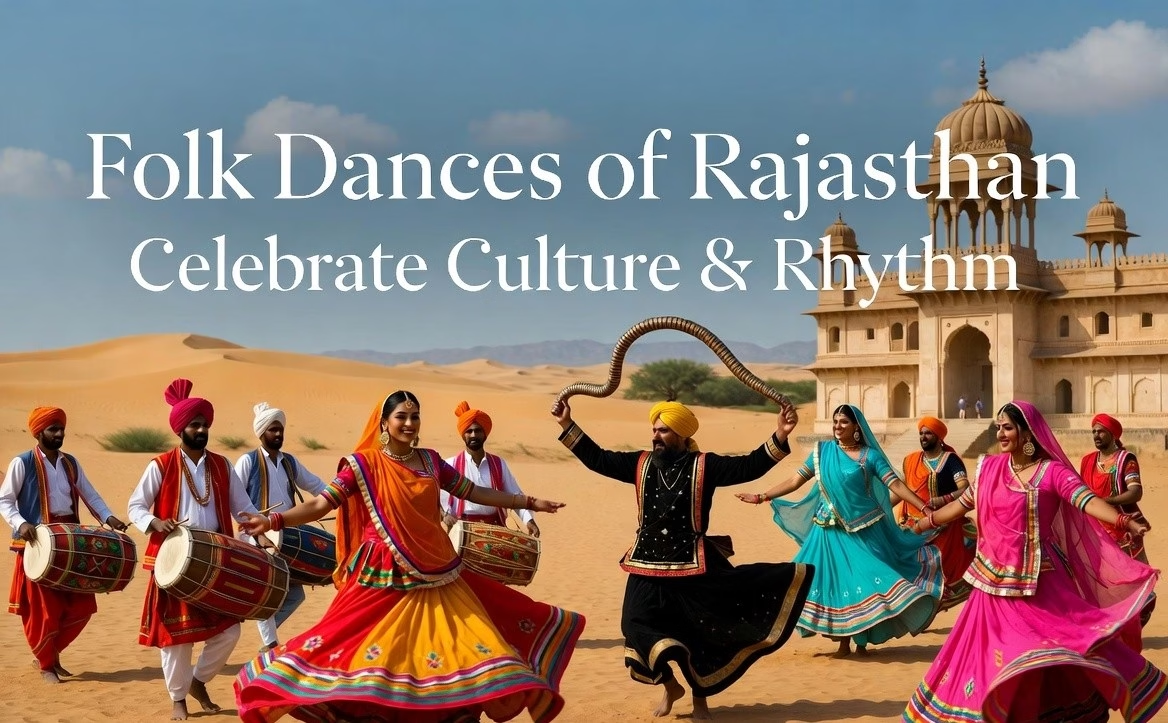
Hello folks! Have you ever seen a dancer spin so fast that her skirt creates a perfect circle of color? Or watched someone balance nine brass pots on their head while twirling on the edge of a sword?
Welcome to the mesmerizing world of folk dances of Rajasthan. These aren’t just performances – they’re living stories passed down through generations.
Rajasthan’s folk dance traditions are as diverse as its landscape. From the graceful twirls of Ghoomar to the serpentine moves of Kalbeliya, each dance has a unique story to tell.
The dances of Rajasthan reflect the state’s royal history, tribal traditions, and the everyday lives of its people.
Today, we’re taking you on a journey through the desert’s most vibrant cultural treasures. Let’s dive in!
The History of Folk Dances of Rajasthan – A Timeline
The history of folk dances of Rajasthan is as colorful as the costumes worn by the dancers themselves. These dances evolved over centuries, shaped by the state’s royal courts, tribal communities, and seasonal rhythms.
Ancient Origins:
Many folk dances of Rajasthan originated with tribal communities like the Bhils, Kalbeliyas, and Garasias. The Bhil tribe, one of the oldest communities in Rajasthan, is credited with creating Ghoomar, originally performed to worship Goddess Saraswati.
Rajput Era (12th-18th Century):
When Rajput kings made peace with the Bhil tribe, they embraced their traditions, including Ghoomar. The dance became associated with royalty and was performed by Rajput women at auspicious occasions. Other dances like Kachhi Ghodi emerged during this period, depicting tales of bravery and local bandits.
Kalbeliya Dance Emergence:
The Kalbeliya community, traditionally snake charmers, developed their signature folk dance over centuries. Their movements mimic the sway of serpents, set to the music of the pungi (snake charmer’s flute).
UNESCO Recognition (2010):
Kalbeliya dance was inscribed on UNESCO’s Representative List of the Intangible Cultural Heritage of Humanity in 2010, becoming the first Rajasthani folk art to receive this honor.
GI Tag and Modern Recognition (2012-2023):
Ghoomar has been recognized as one of the world’s best local dances. In 2023, the Delphic Games of Rajasthan celebrated various folk dance forms, with Vaishali Surolia winning first prize in folk dance.
The Major Folk Dances of Rajasthan – A Complete Guide
Let’s explore the most iconic dances of Rajasthan in detail, including their unique features, costumes, instruments, and performance styles.
Ghoomar – The Graceful Spin
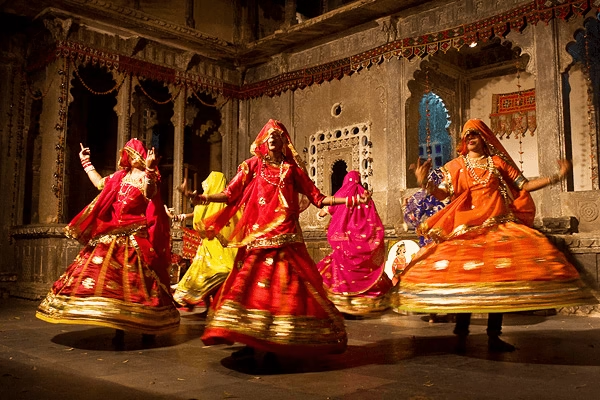
Ghoomar is perhaps the most recognized folk dance of India and definitely the most famous dance of Rajasthan. The name comes from the word ghoomna, meaning spinning around.
Who Performs It:
Introduced by the Bhil tribe, Ghoomar was later adopted by Rajput royal communities. Today, women across Rajasthan perform it at special occasions like weddings, Teej, Holi, and the arrival of a newlywed bride.
How They Perform:
Women form a wide circle and perform graceful pirouettes, moving in and out of the formation. The steps include swaying hands, beating palms, and twirling while singing traditional songs. Each region has its own style – Udaipur adds a touch of Garba, while Jodhpur focuses on intense limb movements.
The Dress and Getup:
Women wear traditional ghagra (long, flowing skirt) and choli (blouse), with an odhni (veil) covering their face. The ghagra is heavily embellished with mirrors, crystals, and thread work. Authentic Ghoomar requires:
- Borla/rakhdi (forehead ornament) in gold with moti/kundan
- Aad (chest necklace), bajuband (armlet), nath (nose ring)
- Kade/bangdi (bangles), payal (anklets), chudas, punche, loom, and jhumka
Musical Instruments: Dholak, nagara (drums), shehnai, and harmonium.
Occasions: Performed during Gangaur, Teej, Holi, and at weddings.
Awards and Recognition:
Ghoomar has been recognized as one of the world’s best local dances. The Gangaur Ghoomar Dance Academy, established in 1986, preserves and promotes this dance form.
Where to See: You can watch Ghoomar performances at cultural festivals, heritage hotels, and during Teej and Gangaur celebrations across Rajasthan.
Kalbeliya – The Serpent’s Sway
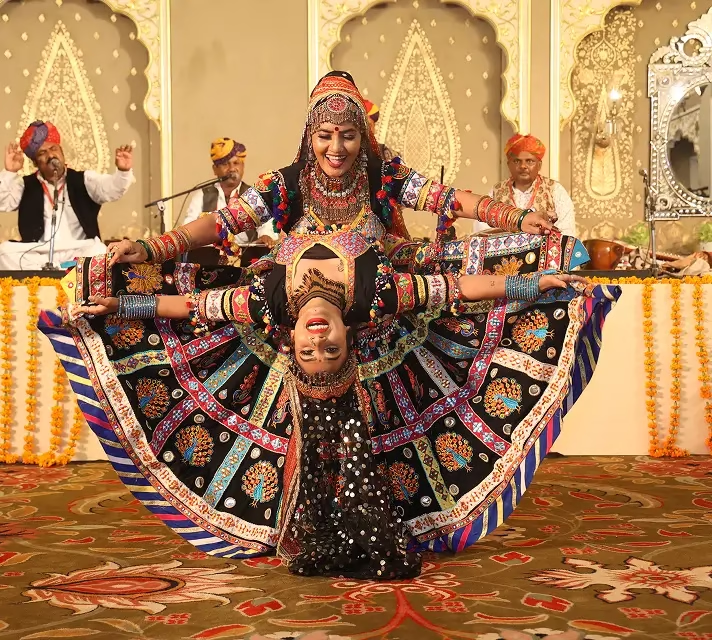
Kalbeliya, also called the “Snake Charmer dance,” is performed by the Kalbeliya community, traditionally known as snake charmers. This folk dance of India has achieved international fame.
Who Performs It:
Women of the Kalbeliya tribe perform the dance, while men play traditional instruments and sing. The Kalbeliya community is nomadic, and their art has been passed down through oral tradition.
How They Perform:
Dancers imitate the movements of serpents – swift, graceful, and sinuous. The dance involves rapid spinning movements and low-to-the-ground postures, with the body swaying like a snake.
The dance is free-flowing – as Gulabo Sapera, the legendary Kalbeliya dancer, says, “This dance form is free; it has a beginning, but no end, so it can go on till your body manages to dance”.
The Dress and Getup:
Women wear a distinctive black swirling ghaghra (long skirt) adorned with red, orange, and silver embroidery. The costume also includes:
- Angrakhi (jacket-like garment)
- Odhani (veil)
- Heavy silver jewelry and traditional tattoos
Musical Instruments: Pungi (snake charmer’s flute), been, dholak, khanjari (tambourine), and dufli.
Occasions: Performed at weddings, festivals, and social celebrations.
Awards and Recognition:
- Inscribed on UNESCO’s Intangible Cultural Heritage of Humanity list in 2010.
- Gulabo Sapera, the most famous Kalbeliya dancer, received the Padma Shri in 2016, the first in her community to receive this honor.
Great People of This Folk Dance:
Gulabo Sapera is the most celebrated Kalbeliya dancer. Born in 1972, she was buried alive as an infant because girls were considered a burden. Her aunt saved her.
Her father, a snake charmer, carried her in straw baskets and fed her the same milk he gave to the snakes. She taught herself to dance by imitating serpent movements. Today, she has performed in 165 countries and has taught thousands of students.
Where to See: Kalbeliya performances are common at Pushkar Fair, cultural events, and heritage hotels in Jodhpur, Jaisalmer, and Jaipur.
Bhavai – The Balancing Act
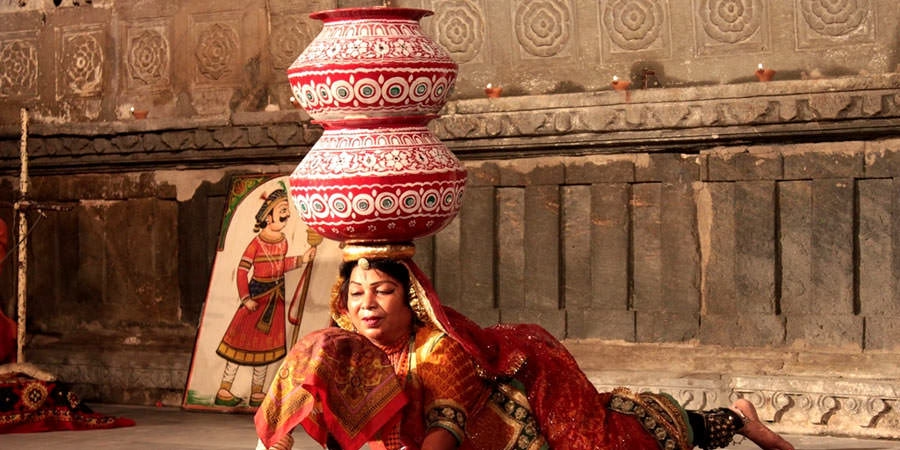
Bhavai is one of the most awe-inspiring dances of Rajasthan. Dancers balance multiple pots on their heads while dancing on the edge of a sword, glass, or brass plate.
Who Performs It:
Women from the Kalbelia, Jat, Meena, Bhil, Raiger, and Kumhar communities traditionally perform this dance.
How They Perform:
The performer balances eight to nine brass pitchers or earthen pots on her head as she dances and twirls. Her feet might be perched on the top of a glass bottle, on the edge of a sword, or on the rim of a brass plate. The dance is extremely difficult and takes years to master.
The Dress and Getup:
Women wear traditional ghaghra-choli with heavy jewelry. The pots are often decorated with mirrors and embellishments.
Musical Instruments: Harmonium, sarangi, dholak, and pakhawaj.
Occasions: Social gatherings, fairs, and entertainment performances.
Great People of This Folk Dance:
Mrs. Krishna Vyas Chhangani from Jodhpur is recognized as the first Bhavai dancer of India.
Where to See: Bhavai performances are common at the Pushkar Fair, Jaipur’s cultural festivals, and heritage hotel performances.
Terah Taali – The 13 Cymbals
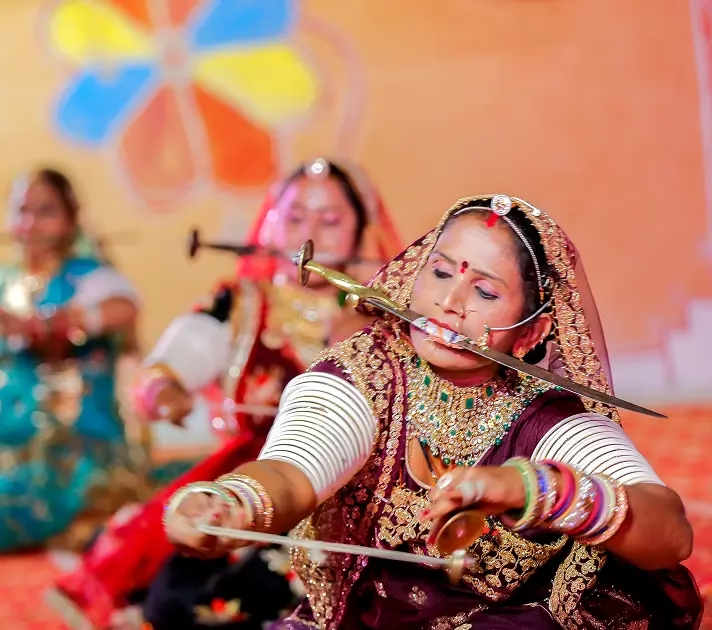
Terah Taali, meaning “13 beats,” is a devotional folk dance performed by the Kamad community in devotion to Baba Ramdevji, a folk deity.
Who Performs It:
Women of the Kamad tribe, primarily from Pokhran and Deedwana (Nagaur district), perform this seated dance.
How They Perform:
Dancers tie thirteen small cymbals (manjeeras) to their wrists, elbows, waist, and legs. They strike these cymbals in rhythm while often sitting cross-legged. Some performers also balance earthen pots or swords on their heads.
The Dress and Getup:
Traditional colorful attire with heavy jewelry and ornaments.
Musical Instruments: 13 manjeeras (primary), tanpura, and harmonium.
Occasions: Performed during festivals dedicated to Baba Ramdevji.
Where to See: You can witness Terah Taali at the annual Ramdevra Fair in Jaisalmer district.
Kachhi Ghodi – The Mock Battle
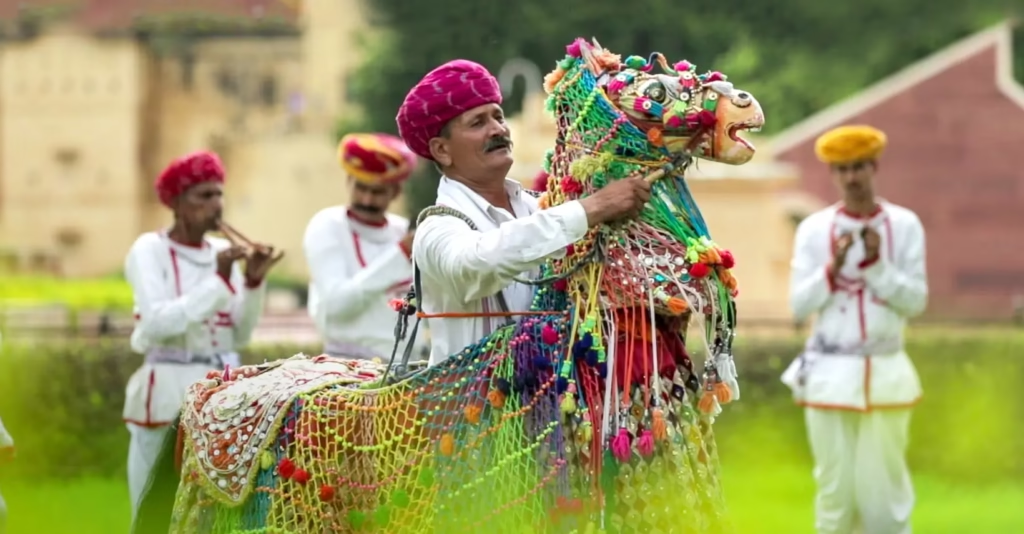
Kachhi Ghodi is a dance that depicts tales of local bandits and heroic deeds.
Who Performs It:
Traditionally performed by men from the Shekhawati region (Sikar, Jhunjhunu, Churu), dressed as horse riders.
How They Perform:
Dancers wear dummy horses made of bamboo and cloth around their waists. They perform mock fights with swords, moving to the rhythm of drums and flute music.
The Dress and Getup:
Dhoti-kurta, turban, and an elaborately decorated dummy horse frame.
Musical Instruments: Dholak, nagara, shehnai, and flute.
Occasions: Performed at weddings, especially during the bridegroom’s procession (baraat).
Where to See: You can watch Kachhi Ghodi performances at weddings and cultural festivals in Shekhawati.
Gair – The Stick Dance
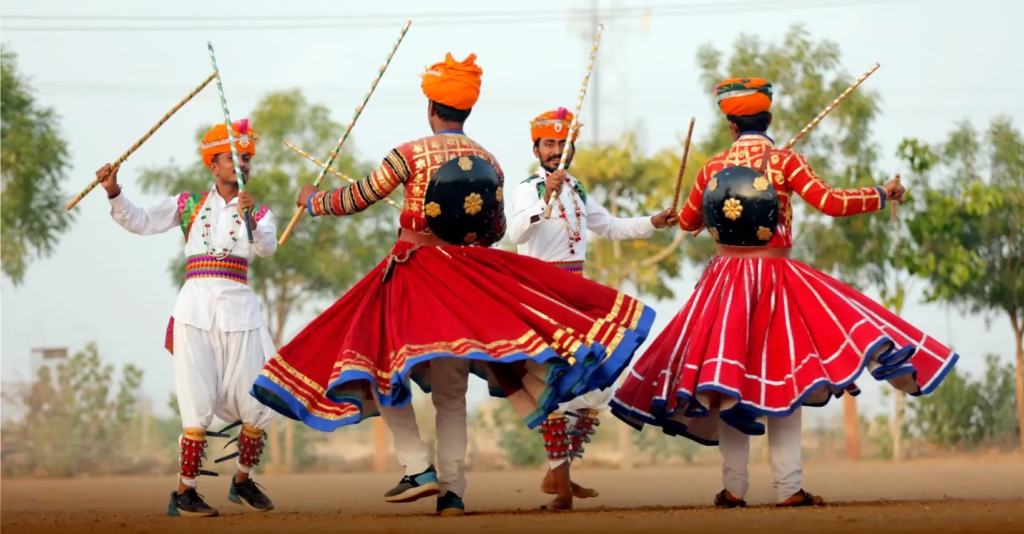
Gair is a vibrant folk dance performed during festivals like Holi and Janmashtami.
Who Performs It:
Predominantly performed by the Bhil community, with both men and women participating. The dance has tribal versions and is also performed in Marwar and Mewar regions.
How They Perform:
Dancers move in circular formations, striking sticks (called khanda) rhythmically. Men wear a full-length tunic-like skirt and carry sticks, swords, and arrows. They move in clockwise and anti-clockwise directions, swinging their arms to powerful drum beats.
The Dress and Getup:
Men: Full-length tunic-like skirt with stick, sword, and arrow
Women: Traditional ghagra-choli
Musical Instruments: Dhol, thali, bankia (wind instrument).
Occasions: Holi, Janmashtami, and other festivals.
Where to See: Gair is performed across Rajasthan during Holi celebrations.
Chari – The Fire Pot Dance
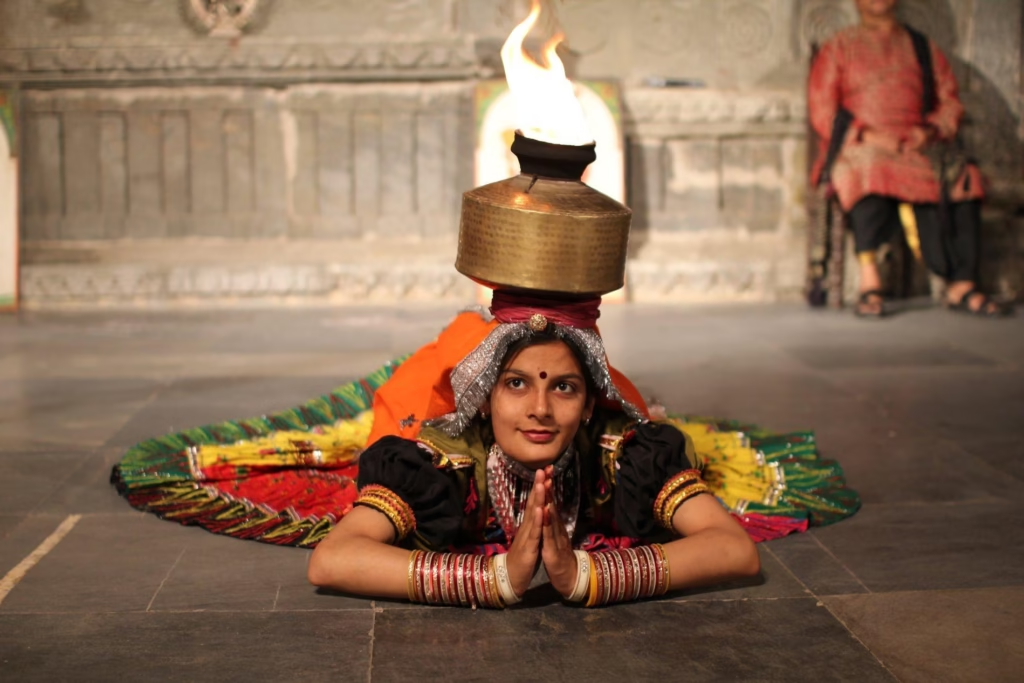
Chari is a ritualistic folk dance performed by women balancing brass pots with flaming cotton wicks on their heads.
Who Performs It:
Women of the Saini community (Ajmer) and Gujjars (Kishangarh).
How They Perform:
Women balance brass chari (pots) on their heads, with a lighted lamp inside. The performance is often done at night, creating a mesmerizing visual effect.
The Dress and Getup:
Traditional attire with heavy jewelry. The brass pots are decorated.
Musical Instruments: Dholak, harmonium, and nagada.
Occasions: Birth of a male child, marriages, and festivals.
Where to See: Chari performances are common in Kishangarh and Ajmer regions.
Chang (Dhamal) – The Holi Dance
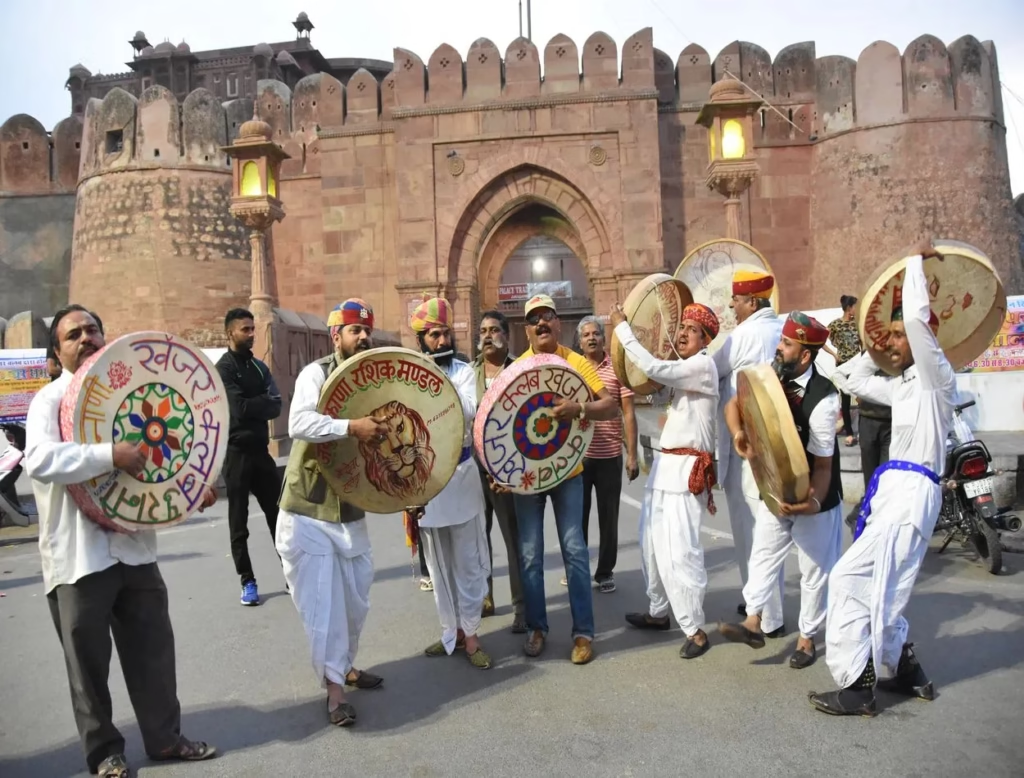
Chang, also called Dhamal, is the centerpiece of Rajasthan’s Holi celebrations.
Who Performs It:
Originating from the Shekhawati region (Bikaner, Churu, Jhunjhunu, Sikar), men perform this dance in groups.
How They Perform:
The dance is defined by fast-paced rhythmic beats of the chang instrument (a large tambourine). Dancers move with quick, energetic steps. A notable feature is that some men dress up as women, donning traditional attire and performing Ghoomar.
The Dress and Getup:
Traditional attire; some men cross-dress as women.
Musical Instruments: Chang (large tambourine).
Occasions: Holi celebrations.
Where to See: Chang is performed across Shekhawati during Holi.
Musical Instruments of Rajasthan’s Folk Dances
The dances of Rajasthan are accompanied by a wide variety of traditional instruments :
| Instrument | Type | Associated Dance |
| Dhol | Drum (large) | Gair, Chari |
| Dholak | Drum (hand) | Ghoomar, Kalbeliya, Bhavai |
| Nagara | Drum (kettle) | Ghoomar, Kachhi Ghodi |
| Pungi/Been | Wind instrument | Kalbeliya |
| Khanjari | Tambourine | Kalbeliya |
| Manjeeras | Cymbals | Terah Taali |
| Shehnai | Wind instrument | Ghoomar, Kachhi Ghodi |
| Harmonium | Keyboard | Most dances |
| Sarangi | String instrument | Bhavai |
| Chang | Tambourine | Chang/Dhamal |
Awards and Recognition for Rajasthan’s Folk Dances
UNESCO Recognition:
- Kalbeliya dance inscribed on UNESCO’s Intangible Cultural Heritage list in 2010
Padma Shri Awards:
- Gulabo Sapera (2016) – Kalbeliya dancer, first in her community to receive this honor
- Maharani Rajmata Goverdhan Kumari (2007) – Founded the Gangaur Ghoomar Dance Academy
Government Awards:
- Barmer Brothers received awards including the 2005 New Delhi Folk Festival award, 2005 Hukuman Singh Kanchawaha Award, 2006 Barmer District Collector Award, and 2015 Saras Award.
- Delphic Games of Rajasthan (2023) – Vaishali Surolia won first prize in folk dance
Where to See Folk Dances of Rajasthan
Major Festivals:
- Pushkar Fair – Kalbeliya, Bhavai, Ghoomar
- Gangaur Festival – Ghoomar, Gair
- Teej Festival – Ghoomar, Chari
- Holi – Chang, Gair
- Ramdevra Fair – Terah Taali
Cultural Venues:
- Jawahar Kala Kendra, Jaipur – Regular folk performances
- Chokhi Dhani, Jaipur – Evening cultural shows
- Heritage Hotels – Many offer evening folk dance performances
- Tijara Fort-Palace – Evening cultural performances on Saturdays
Where to Watch Near Delhi:
- Alwar district and Tijara Fort-Palace offer heritage experiences with folk performances
FAQs
Q1. Which is the most famous folk dance of Rajasthan?
Ghoomar is the most recognized folk dance of India and the most famous dance of Rajasthan. It features graceful spinning movements and is performed by women during festivals and weddings.
Q2. Which folk dance of Rajasthan is UNESCO recognized?
Kalbeliya, also called the “Snake Charmer dance,” was inscribed on UNESCO’s Intangible Cultural Heritage list in 2010. It’s performed by the Kalbeliya community with serpentine movements.
Q3. What is the dress code for Ghoomar dance?
Ghoomar requires traditional ghagra-choli with odhni (veil), accompanied by authentic jewelry including borla, aad, bajuband, nath, and payal. The attire must be traditional without modern modifications.
Q4. Who is the most famous Kalbeliya dancer?
Gulabo Sapera is the most celebrated Kalbeliya dancer. She received the Padma Shri in 2016 and has performed in 165 countries. She was buried alive as an infant but saved by her aunt.
Q5. How many pots does a Bhavai dancer balance?
Bhavai dancers balance eight to nine brass pitchers or earthen pots on their head while dancing on the edge of a sword or glass.
Q6. What is Terah Taali dance?
Terah Taali means “13 beats.” It’s a devotional dance performed by women of the Kamad community, who tie 13 cymbals to their body and strike them in rhythm.
Q7. What instruments accompany Rajasthani folk dances?
Common instruments include dhol, dholak, nagara, pungi (been), khanjari, manjeeras, shehnai, harmonium, and sarangi. Each dance has its signature instrument.
Q8. Where can I watch folk dances of Rajasthan?
You can watch performances at the Pushkar Fair, Gangaur and Teej festivals, heritage hotels like Tijara Fort-Palace, and cultural venues like Jawahar Kala Kendra, Jaipur.
Also Read:
Leheriya Print from Rajasthan

Leave a Reply