

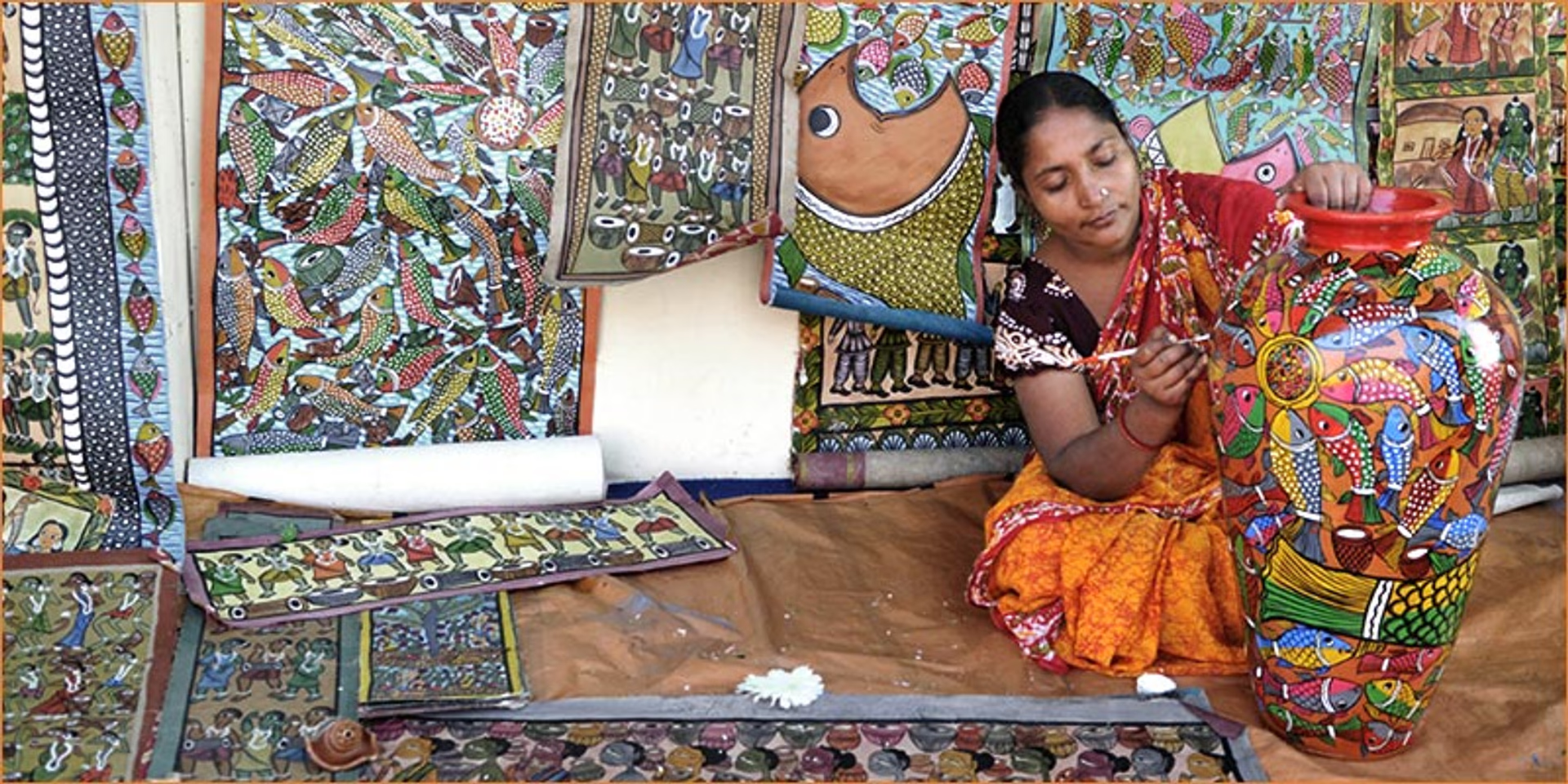
Hello folks, behind every piece of handmade craft lies a story that often goes unheard. Across India, nearly 7 million artisans are connected to traditional crafts, and a huge number of them are women who quietly keep traditional Indian folk art alive with their hands, patience, and emotions.
From weaving old memories into fabrics to painting stories on clay and wood, these women do much more than create art. They protect culture, traditions, and family legacies. Yet, many of their struggles, sacrifices, and dreams remain hidden behind the beauty of the craft itself.
This blog is not just about art. It is about the women who wake up before sunrise, work endlessly, and still rarely get the recognition they deserve. Their raw journeys deserve to be seen, heard, and remembered.
So, let’s begin and uncover the untold stories behind these timeless folk traditions.
The Silent Guardians – Women Who Keep Traditional Indian Folk Art Alive
Traditional Indian folk art has survived centuries not because of museums or government grants. It survived because of women. While men moved to cities for factory jobs, women stayed in villages. They kept painting. Keep weaving. Keep stitching.
What These Women Do Every Day
- Wake up at 4 AM to finish household chores before touching their art.
- Use natural pigments made from leaves, flowers, and stones.
- Teach their daughters the same motifs their grandmothers painted.
- Sell their work to middlemen who take 70% of the profit.
- Keep going even when no one says thank you.
Every Madhubani brushstroke, every Nakshi Kantha stitch, and every roll of handwoven silk is a handmade craft that carries a woman’s memory. She is not just making art. She is guarding India’s soul. And she does it quietly, without applause.
7 Most Famous Women Artisans of India Who Made Handmade Craft Work
India’s handmade craft heritage survives because of women who protected art forms during poverty, social struggles, and changing modern lifestyles. These women artisans did not simply create beautiful work.
They preserved stories, rituals, memories, and the soul of traditional Indian folk art. From Madhubani paintings in Bihar to Bhil tribal art in Madhya Pradesh, their journeys are filled with resilience, emotion, and inspiration.
Here are 7 remarkable women whose contributions changed India’s cultural history forever.
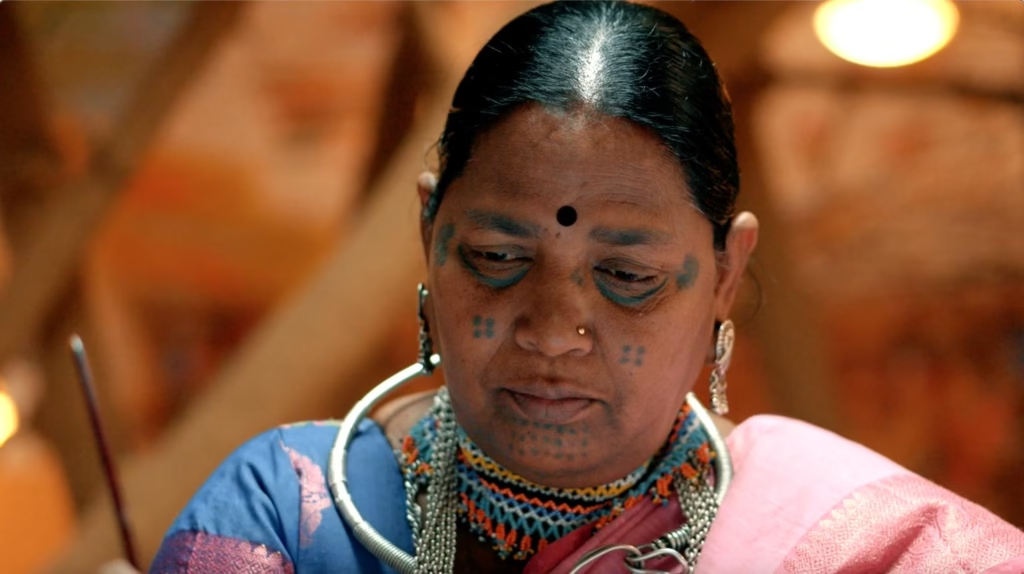
1. Bhuri Bai
How She Started
Bhuri Bai was born in a poor Bhil tribal family in Madhya Pradesh. During childhood, she worked as a laborer to support her family. Like many tribal women, she painted traditional designs on mud walls during festivals and rituals. Her life changed when famous artist Jagdish Swaminathan noticed her talent and encouraged her to paint on paper and canvas.
Struggles She Faced
- Extreme poverty during childhood
- Lack of education and opportunities
- Tribal art receiving little recognition
- Social barriers faced by women artisans
What Made Her Artwork Special
Bhuri Bai transformed Bhil wall paintings into modern handmade craft art forms. Her paintings used:
- Bright natural colors
- Dotted tribal patterns
- Forest life and animals
- Tribal rituals and storytelling
Her work became one of the strongest symbols of traditional Indian folk art globally.
Awards and Recognition
- Received the Padma Shri award
- Honored for preserving tribal art traditions
- Exhibited artwork in India and abroad
Amazing Contribution
Bhuri Bai became one of the first Bhil women to bring tribal art from village walls to international galleries.
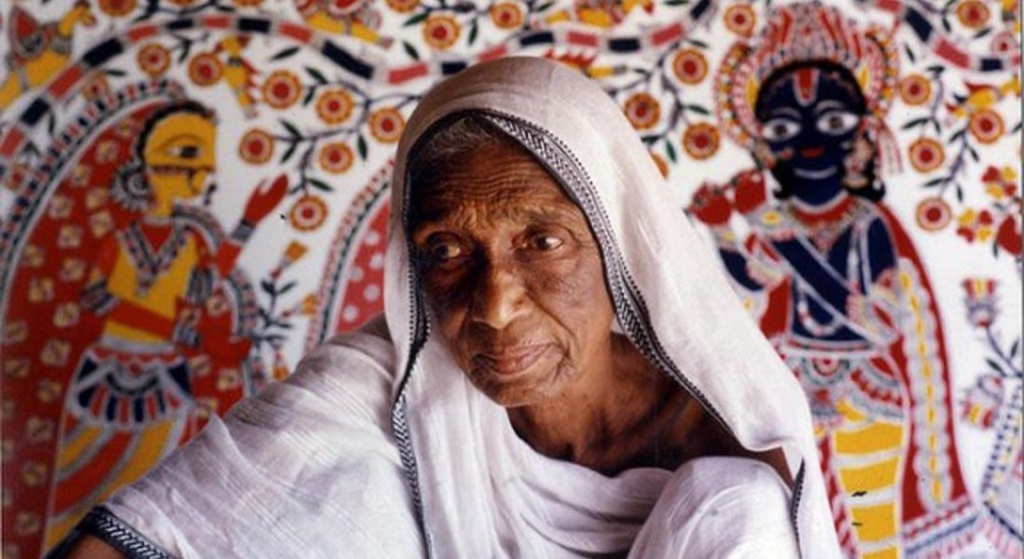
2. Sita Devi
How She Started
Sita Devi belonged to Bihar’s Mithila region. During the 1960s drought and financial crisis, local artists were encouraged to transfer wall paintings onto paper. Sita Devi began painting to support her family, unknowingly creating history.
Struggles She Faced
- Financial hardship and rural poverty
- Limited resources for art materials
- Women artists receiving little importance
What Made Her Artwork Special
Her handmade craft paintings were deeply spiritual and emotional. She painted:
- Hindu mythological stories
- Radha-Krishna themes
- Nature and village rituals
- Feminine energy in Madhubani art
She used handmade natural colors created from flowers, leaves, and minerals.
Awards and Recognition
- Received Padma Shri
- Exhibited art in Germany, Japan, and the USA
- Became one of India’s most respected folk artists
Amazing Contribution
Sita Devi transformed Madhubani painting into a globally recognized traditional Indian folk art form.
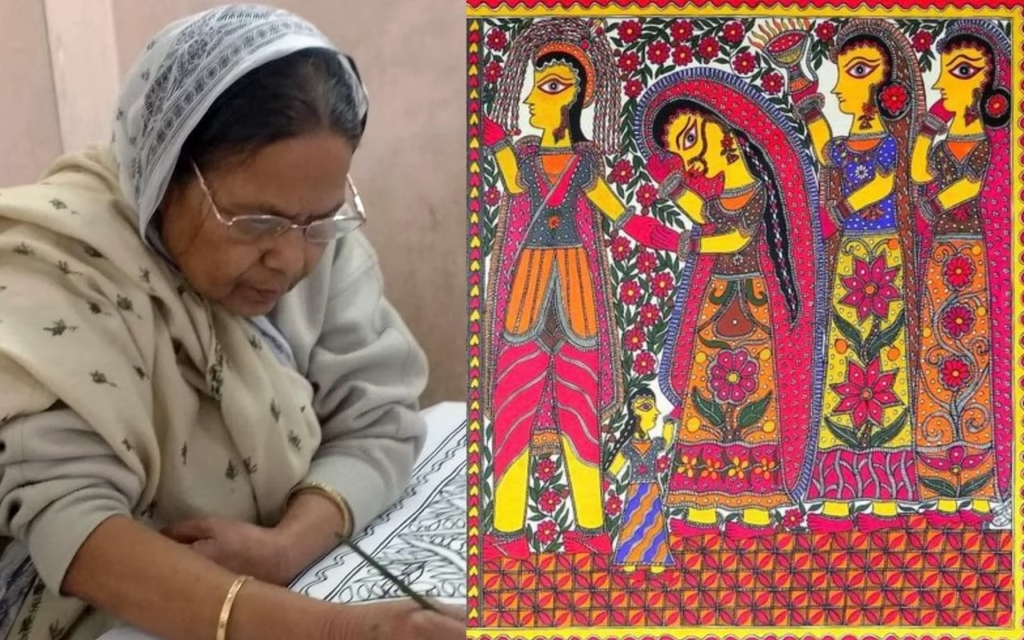
3. Baua Devi
How She Started
Baua Devi started learning Mithila painting after marriage in Madhubani district. The art was originally practiced on walls during religious festivals. Over time, she mastered intricate patterns and storytelling styles.
Struggles She Faced
- Rural poverty
- Limited recognition for women artists
- Lack of modern exposure during early years
What Made Her Artwork Special
Her handmade craft style focused on:
- Ramayana stories
- Village celebrations
- Women’s emotions and traditions
- Traditional Mithila symbols
Her paintings carried deep cultural authenticity.
Awards and Recognition
- Awarded Padma Shri
- National recognition for Mithila art preservation
- Exhibited work across India
Amazing Contribution
She helped preserve ancient Madhubani techniques while inspiring rural women artisans to earn through traditional Indian folk art.
4. Dulari Devi
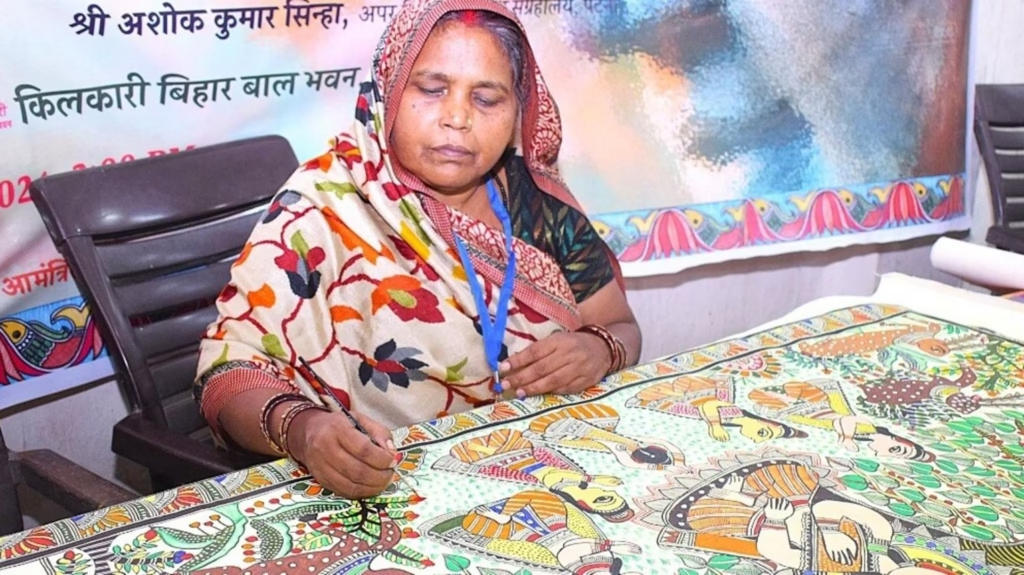
How She Started
Dulari Devi came from a poor Mallah community in Bihar. She worked as a domestic helper and had no formal education. She learned painting while assisting senior Madhubani artists and practicing secretly.
Struggles She Faced
- Poverty and caste discrimination
- Lack of education
- Social limitations for women artisans
- Difficult childhood conditions
What Made Her Artwork Special
Her handmade craft paintings focused on:
- Fish motifs and water life
- Rural women’s struggles
- Village culture and rituals
- Emotional storytelling through colors
Her work reflected real-life experiences rather than decorative beauty alone.
Awards and Recognition
- Received Padma Shri
- Honored nationally for folk art preservation
- Became a symbol of women empowerment
Amazing Contribution
Dulari Devi proved that traditional Indian folk art can transform lives even without education or privilege.
5. Rukmini Devi Arundale
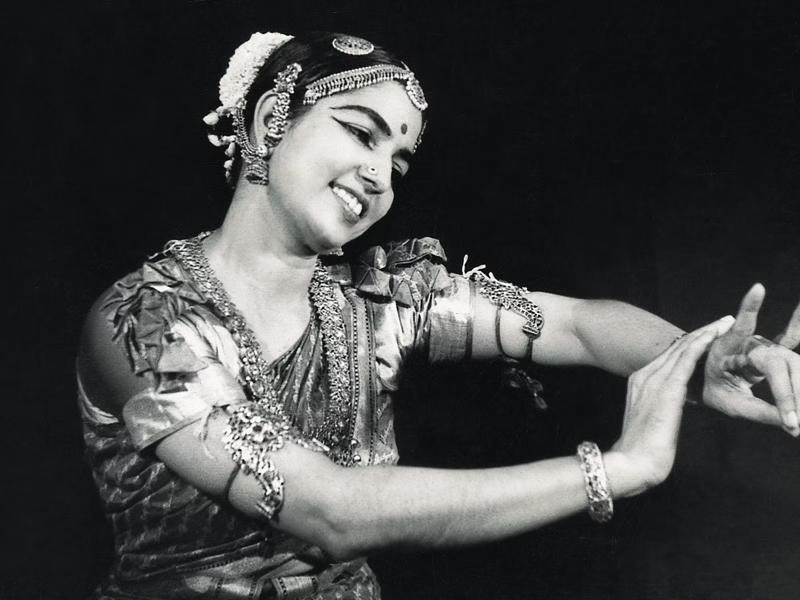
How She Started
Rukmini Devi Arundale is mainly remembered for reviving Bharatanatyam, but her role in Indian handmade craft and textile preservation was equally important. She believed Indian heritage should be respected and protected.
Struggles She Faced
- Social criticism for promoting traditional arts
- Colonial influence reducing Indian craft importance
- Decline of handwoven and heritage arts
What Made Her Work Special
She worked to preserve:
- Traditional weaving techniques
- Indian textiles and costumes
- Temple art aesthetics
- Folk and classical artistic traditions
She founded the Kalakshetra Foundation in Chennai.
Awards and Recognition
- Received Padma Bhushan
- International recognition for cultural preservation
- Respected pioneer of Indian heritage arts
Amazing Contribution
She revived dying artistic traditions and helped protect India’s handmade craft culture during modernization.
6. Tejaswini Sawant
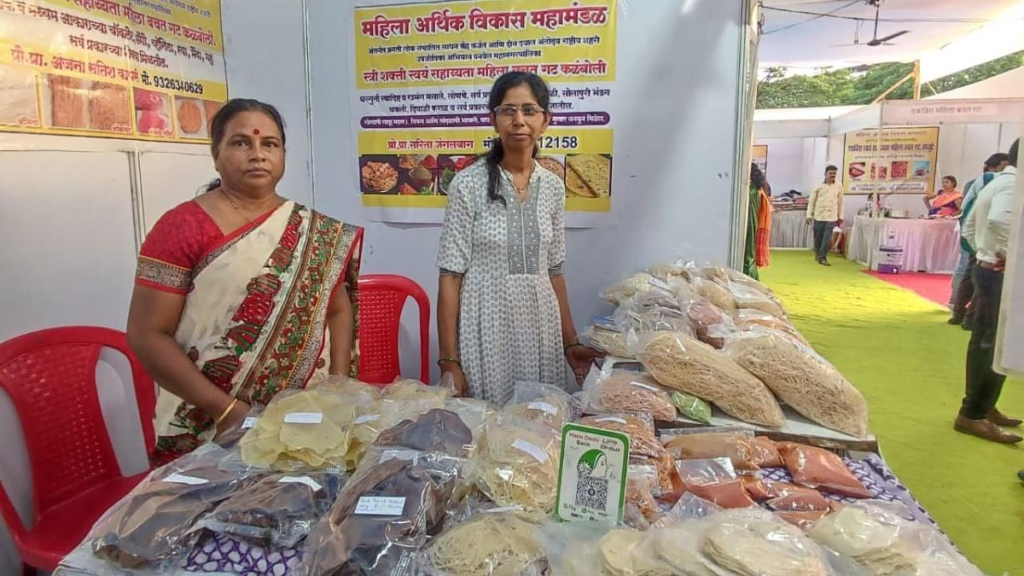
How She Started
Tejaswini Sawant became known for supporting local women artisans connected with tribal and rural handmade craft communities. She focused on helping artisans gain visibility and economic support.
Struggles She Faced
- Lack of awareness about rural artists
- Limited market access for women artisans
- Difficulty connecting traditional crafts with modern audiences
What Made Her Work Special
She actively promoted the following:
- Women-led Handmade Craft groups
- Tribal art exhibitions
- Rural artisan empowerment
- Awareness around traditional indian folk art
Awards and Recognition
- Appreciated for promoting artisan communities
- Recognized in cultural and social initiatives
Amazing Contribution
Her efforts created opportunities for many hidden women artisans to reach larger audiences and preserve folk traditions.
7. Ganga Devi
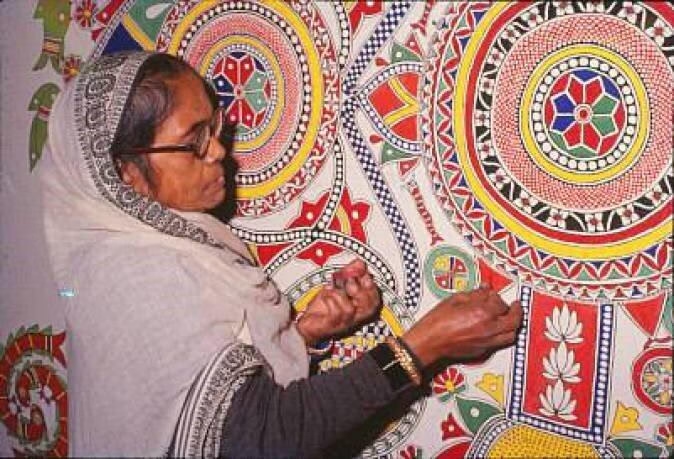
How She Started
Ganga Devi was born in Bihar and became one of the greatest names in Madhubani painting. She started painting traditional ritual designs from a young age and later transferred them onto paper for exhibitions.
Struggles She Faced
- Serious health struggles during later life
- Financial limitations in rural Bihar
- Challenges faced by women artists in conservative societies
What Made Her Artwork Special
Her handmade craft paintings became famous for
- Intricate line work
- Mythological storytelling
- Marriage rituals and folk traditions
- Feminine symbolism and spirituality
She also painted the famous “Kohbar Ghar” style associated with marriage ceremonies.
Awards and Recognition
- Received the Padma Shri award
- International exhibitions in the USA and Europe
- Honored as a pioneer of Madhubani art
Amazing Contribution
Even while battling cancer, Ganga Devi continued painting and created some of the most emotional masterpieces in traditional Indian folk art history.
Why Handmade Craft Still Matters in the Digital Age
Let Me Ask You Something “When was the last time you bought something that actually meant something?” Not just a box. Not just a brand. A thing with a story.
Machines are fast. No doubt. They can print 1,000 products while you sleep. But can a machine feel? Can it remember? No.
Here is what a machine cannot do:
- Hold a brush that belonged to someone’s grandmother.
- Mix colors from stones and leaves found behind a village.
- Stitch a memory into a piece of cloth.
- Cry a little when the buyer says “thank you.”
Handmade craft is not about perfection. It is about presence. A slightly uneven line? That is not a mistake. That is a human hand. That is a woman who woke up at 4 AM, finished her chores, and then painted her heart out while the world scrolled on phones.
Traditional Indian folk art carries that heartbeat. Every Madhubani fish. Every Warli circle. Every stitch of a Nakshi Kantha quilt. These are not products. These are diaries.
People are slowly waking up. They want real. They want to be slow. They want something that did not come from a factory floor.
Why does handmade craft still matter in 2026? Let me count the ways:
- It puts food on the table for rural families.
- It keeps grandmothers’ techniques alive.
- It does not poison the planet with plastic.
- It gives you something unique. No duplicate exists.
- It lets you hold a story. Not just a thing.
So next time you scroll past a handmade painting or a handwoven saree, pause. That is not just art. That is a woman’s life. And she made it just for you.
FAQs
Q1. Why does handmade craft still matter today?
Handmade craft matters because it carries human emotion, culture, and uniqueness. Machines copy. Hands create. Every piece tells a story.
Q2. What is traditional Indian folk art?
It is ancient art forms like Madhubani, Warli, Gond, and Pattachitra. These are passed down through generations, mostly by women artisans in villages.
Q3. How is handmade craft different from machine-made?
Machine-made items are identical and lifeless. Handmade pieces have small imperfections that prove a human touched them. That is real beauty.
Q4. Does handmade craft help the environment?
Yes. Most handmade crafts use natural materials like clay, leaves, stones, and organic dyes. No plastic. No factory pollution. Just eco-friendly creation.
Q5. Who benefits when I buy handmade products?
Local women artisans, rural families, and entire villages benefit. Fair payment means children go to school and traditions stay alive.
Q6. Is handmade craft expensive?
Not always. You can find beautiful handmade products starting at ₹200–₹500. But even higher prices are fair. You pay for weeks of skill, not minutes of machine time.
Q7. Where can I buy authentic handmade crafts in India?
Try platforms like FolkCanvas.com, Gaatha, Dastkar, or government emporiums. Better yet, visit village craft melas and buy directly from artisans.
Q8. Why are young people returning to handmade products?
Gen Z wants meaning, not mass production. They value sustainability, unique design, and emotional connection. Handmade crafts offer all three.
Q9. Does handmade craft support women artisans?
Absolutely. Many Indian folk arts like Madhubani and Sujini are led by women. Buying their work gives them financial independence and social respect.
Q10. Can handmade crafts survive in the digital age?
Yes, because digital tools are helping, not hurting. Social media, online marketplaces, and AI discovery are connecting artisans directly to global buyers.
Also Read:
Beautiful Phad art: Rajasthan’s Tradition of Epic Storytelling

Leave a Reply