
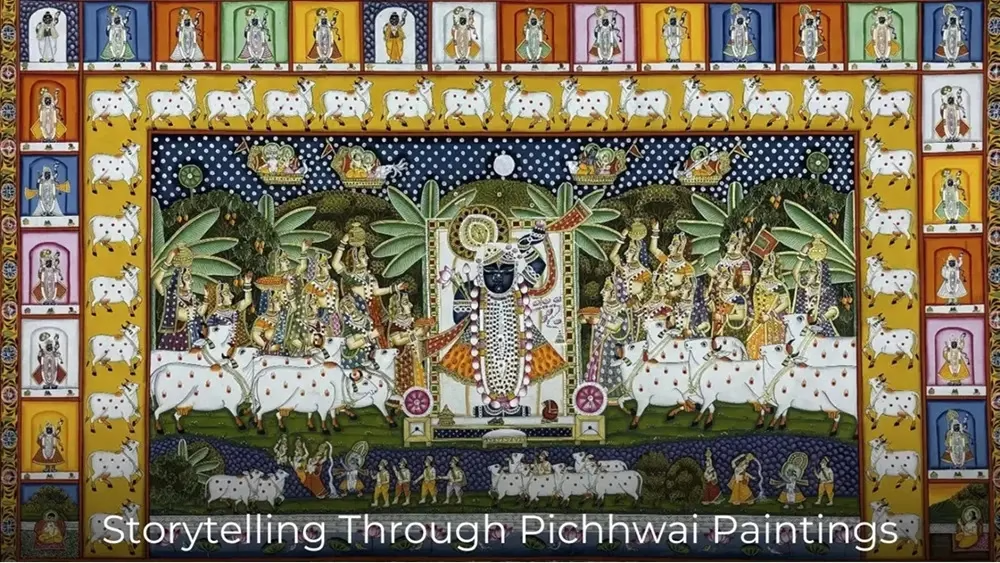
Welcome, folks! Enter the enchanting realm of Pichwai paintings, where piety and awe-inspiring art converge. Conceived in the temple town of Nathdwara, Rajasthan, these exquisite works of art extol Lord Krishna in his most divine avatar—Shreenathji. These paintings, detailed and filled with spirituality, turn walls into gateways of a mystical era.
Adorned with lotus flowers, celebratory processions, or moonlit concerts, every Pichwai painting emanates an atmosphere of tranquility and majesty.
Today, these devotional marvels find a place in homes and galleries worldwide, keeping alive the soul of Nathdwara’s artistic legacy.
So, if you’re ready to explore a world where faith meets finesse, let Pichwai paintings lead the way into a realm of beauty, devotion, and timeless tradition!
What Are Pichwai Paintings?
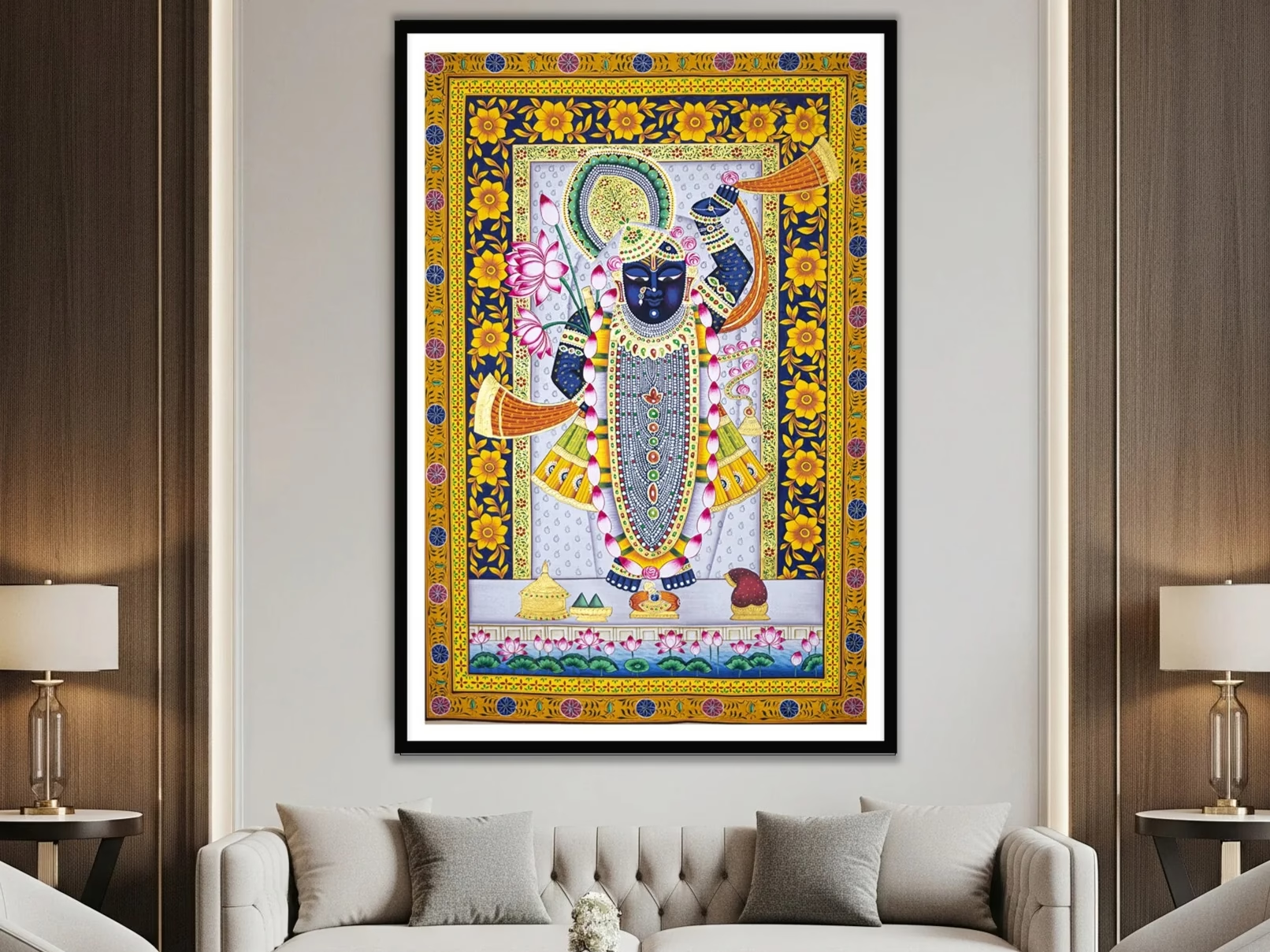
Pichwai paintings are intricate and devotional artworks that originated in Nathdwara, Rajasthan, over 400 years ago. These paintings are dedicated to Lord Krishna, specifically in his Shreenathji form, and are traditionally used as temple backdrops.
The word “Pichwai” itself means “hung at the back,” as these paintings were initially placed behind the deity in temples. Made with natural colors and fine brushwork, each Pichwai painting narrates divine stories from Lord Krishna’s life, celebrating festivals like Janmashtami, Annakut, and Sharad Purnima.
Today, these paintings have transcended temple walls and found a place in homes and art collections worldwide.
Types of Pichwai Paintings
Pichwai paintings are not just artworks; they are visual hymns that depict Lord Krishna’s life, devotion, and festivals. Each type has its own significance, theme, and intricate detailing. Here’s a closer look at the different types of Pichwai paintings:
1. Lotus Pichwai: A Symbol of Divine Purity
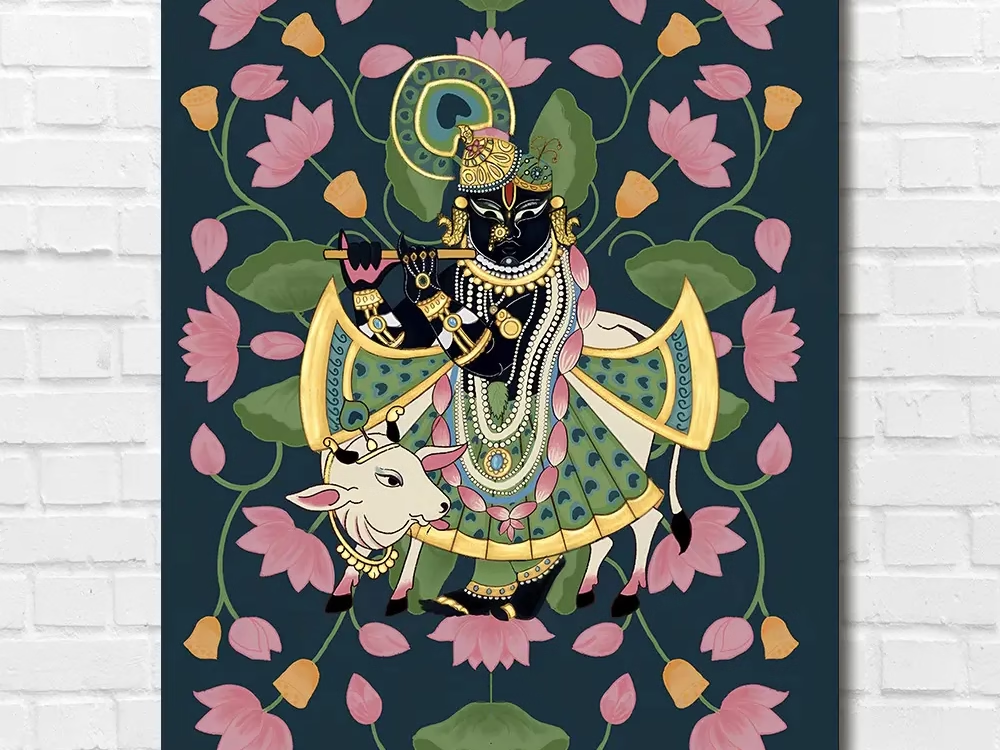
One of the most famous Pichwai styles, the Lotus Pichwai, is characterized by large, vibrant lotus flowers blooming around Lord Shreenathji. The lotus is a sacred symbol in Hinduism, representing purity, enlightenment, and devotion.
- Visual Elements: Bright pink and red lotuses in full bloom, often painted against a deep blue or golden background.
- Symbolism: The lotus is associated with Krishna’s divine beauty and purity, as well as spiritual awakening.
- Temple Usage: These Pichwai paintings are often displayed during Sharad Purnima and other Krishna-related festivals.
2. Raas Leela Pichwai: The Dance of Divine Love
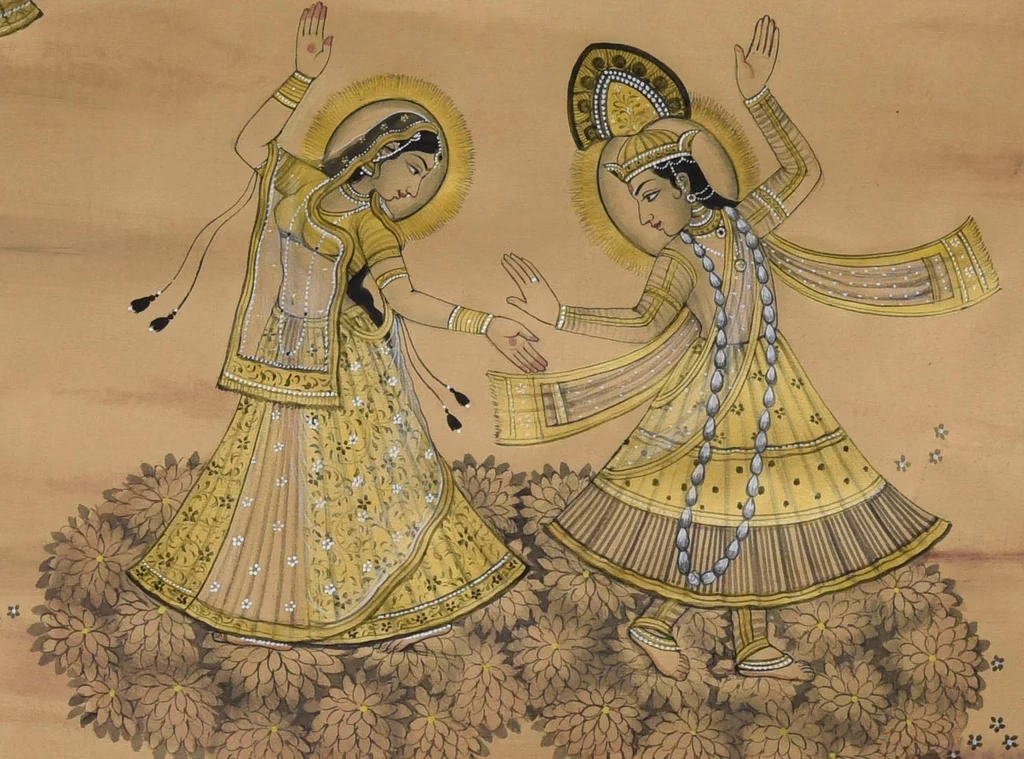
The Raas Leela Pichwai captures one of the most enchanting moments from Krishna’s life—his celestial dance with Radha and the Gopis. This painting is all about movement, joy, and devotion.
- Visual Elements: Lord Krishna, often in the center, dancing with Radha and the Gopis under a starry sky or amidst lush forests.
- Symbolism: Represents divine love, spiritual union, and eternal joy. It also signifies Krishna’s presence in the hearts of his devotees.
- Temple Usage: Displayed during Sharad Purnima, when Krishna’s dance is celebrated with night-long prayers and festivities.
3. Annakut Pichwai: The Miracle of Govardhan Hill
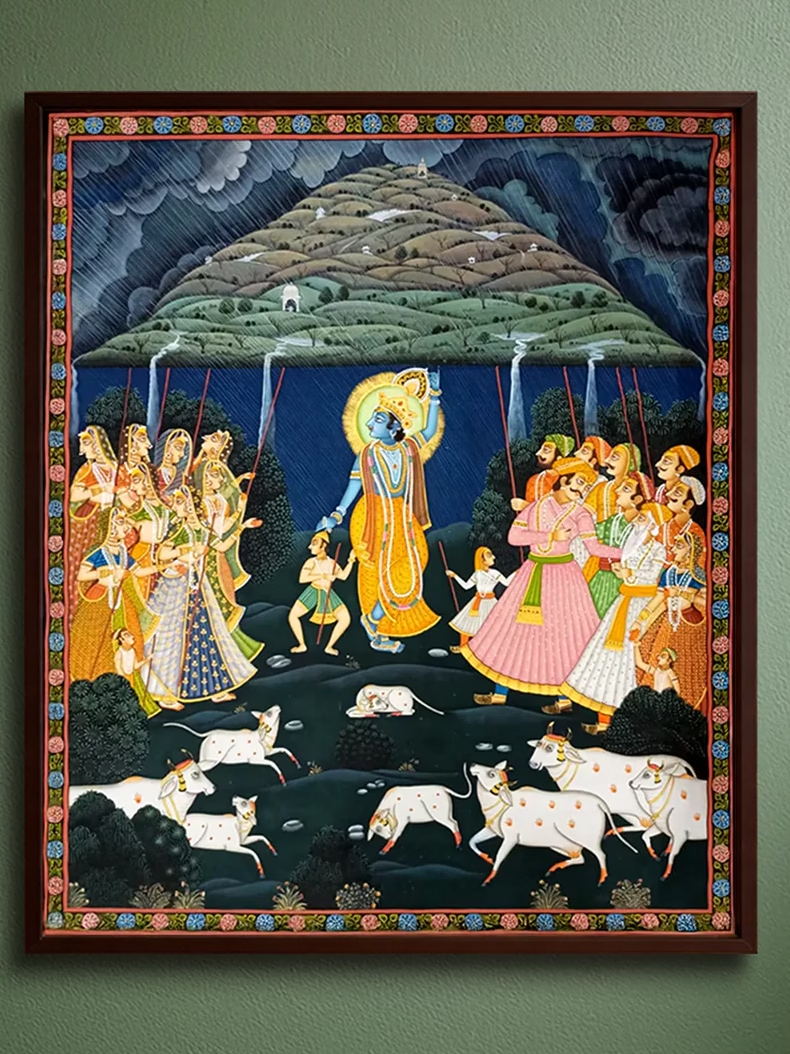
Annakut Pichwai depicts the famous story where Krishna lifts the Govardhan Hill to protect villagers from heavy rains caused by Lord Indra’s wrath.
- Visual Elements: Krishna holding up Govardhan Hill with his little finger while villagers, cows, and peacocks gather beneath for shelter.
- Symbolism: Stands for protection, faith, and devotion to Krishna, who saves his devotees in times of crisis.
- Temple Usage: Displayed during the Annakut festival, celebrated a day after Diwali, when devotees offer a grand feast to Krishna.
4. Sharad Purnima Pichwai: Krishna Under the Full Moon
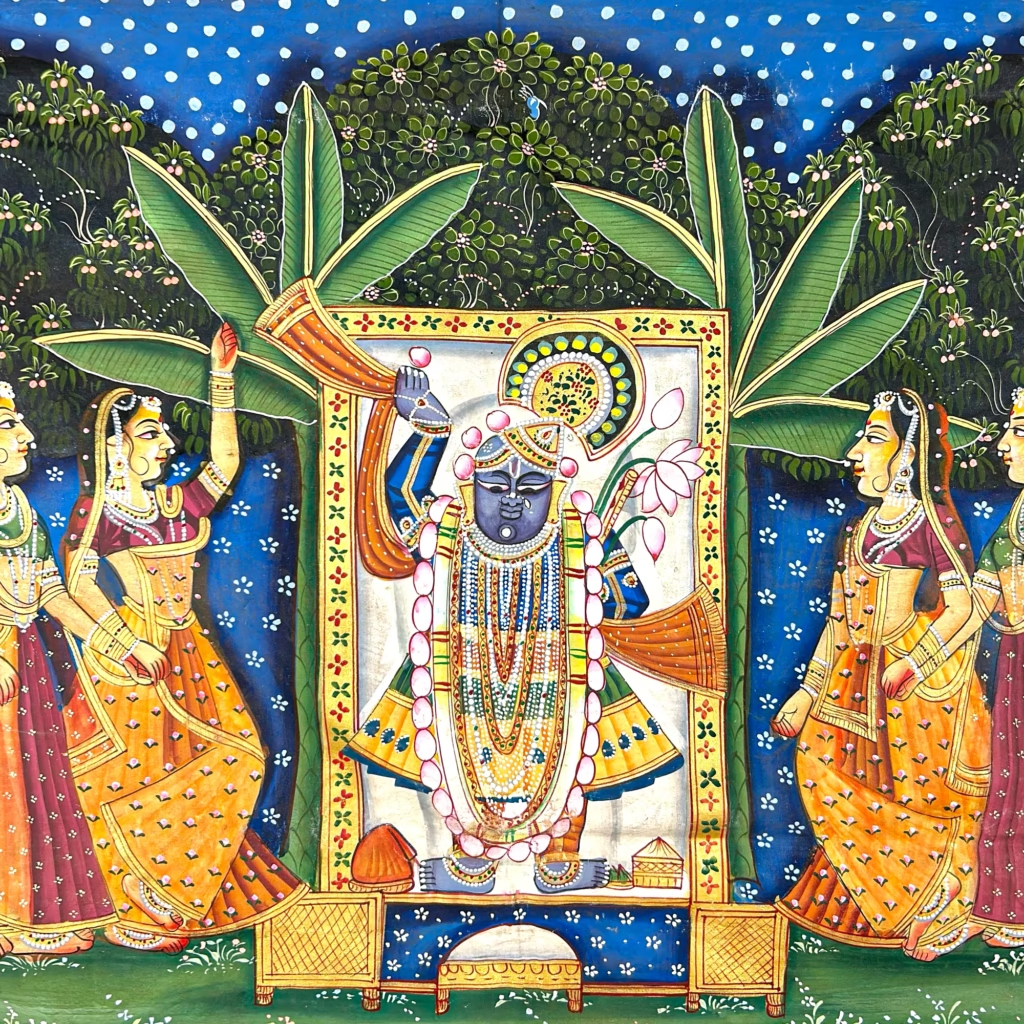
This painting represents the Sharad Purnima festival, a special night when Krishna plays his divine flute, enchanting Radha and the Gopis.
- Visual Elements: Krishna standing under a glowing full moon, surrounded by Gopis in elegant attire, dancing in harmony.
- Symbolism: Represents the divine melody of Krishna’s flute, which signifies the call of the soul towards God. The full moon symbolizes spiritual completeness.
- Temple Usage: Displayed in temples and homes during Sharad Purnima, a night associated with peace and devotion.
5. Cow Pichwai: Krishna’s Love for Cows
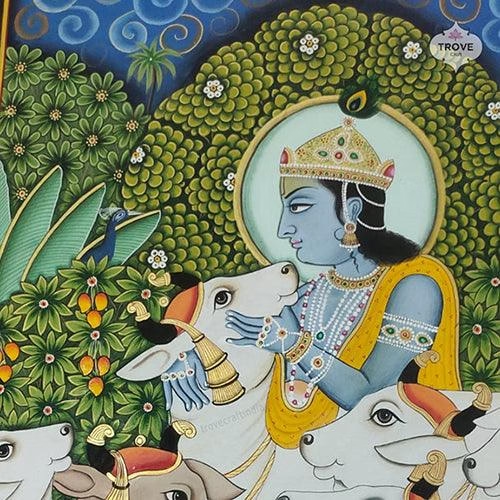
Cows hold a sacred place in Hindu culture, and Krishna is often depicted surrounded by cows and calves in these paintings.
- Visual Elements: Rows of cows with expressive eyes, some nuzzling Krishna or standing around him in deep devotion. The paintings often have a golden or red background.
- Symbolism: Represents prosperity, nourishment, and Krishna’s deep connection with nature and all living beings.
- Temple Usage: Often displayed in temples throughout the year, especially in Gopashtami, a festival dedicated to Krishna as a cowherd.
6. Festival Pichwai: Celebrating Krishna’s Divine Moments
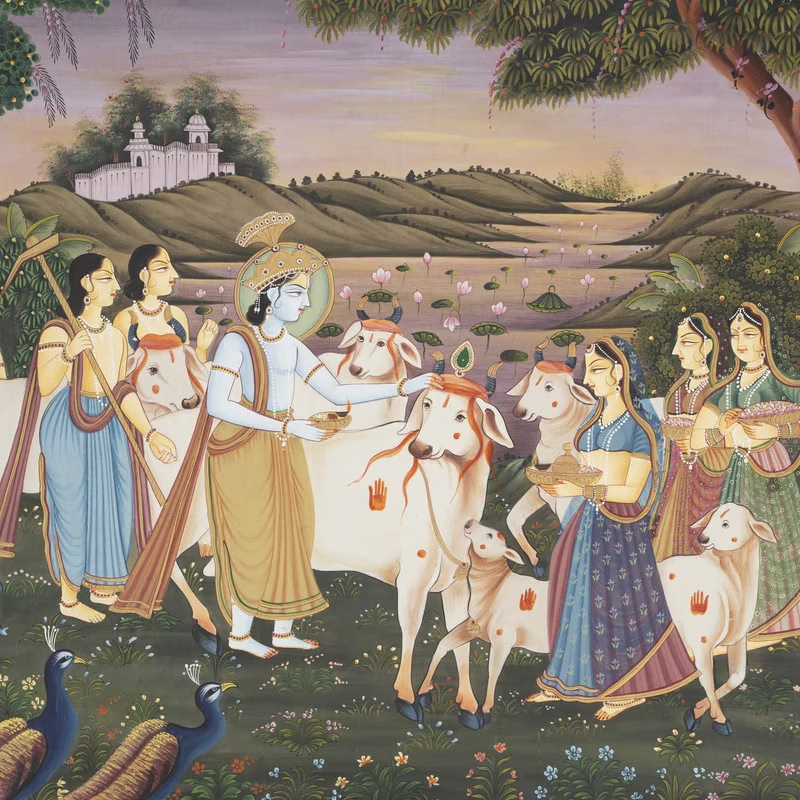
Festival-themed Pichwai paintings bring alive grand celebrations like Janmashtami, Holi, and Govardhan Puja, showcasing Krishna in vibrant and joyous moods.
- Visual Elements:
- Janmashtami Pichwai – Baby Krishna in a cradle, surrounded by devotees.
- Holi Pichwai – Krishna and Radha playfully splashing colors on each other.
- Govardhan Puja Pichwai – Krishna blessing devotees after lifting the Govardhan Hill.
- Symbolism: Highlights festive joy, divine celebrations, and the grandeur of Krishna’s presence.
- Temple Usage: Displayed during respective festival seasons to enhance the devotional atmosphere.
Pichwai Painting History: A Legacy of Devotion
Pichwai paintings are not just art; they are a visual hymn of devotion dedicated to Lord Krishna in his Shreenathji form. These detailed and vibrant paintings have been an integral part of Indian temple traditions for over 350 years. Originating in the 17th century, Pichwai art has flourished in the temple town of Nathdwara, Rajasthan, becoming one of the finest representations of religious art in India.
The Origins of Pichwai Art in the 17th Century
The story of Pichwai paintings begins in 1672, when Shreenathji’s idol was brought from Mathura to Nathdwara during the Mughal era to protect it from destruction. As a form of devotion, temple artists started painting large, intricate cloth panels depicting various aspects of Krishna’s life, especially his “Leelas” (divine plays).
These paintings were created to:
✔ Adorn the sanctum walls of the Shreenathji temple
✔ Depict seasonal festivals like Annakut, Janmashtami, and Raas Leela
✔ Convey stories of Lord Krishna to devotees who couldn’t read scriptures
The name “Pichwai” comes from the Sanskrit words ‘Pichh’ (back) and ‘Wai’ (hanging), as these paintings were hung behind the deity in the temple.
How Nathdwara Became the Hub of Pichwai Paintings
Over time, Nathdwara evolved into a center of excellence for Pichwai paintings, attracting skilled artisans and devoted followers. Today, the town remains the heart of this art form, with nearly 300-400 artists still engaged in traditional Pichwai painting.
Why Nathdwara Became the Pichwai Capital?
Temple Patronage: The Shreenathji temple commissioned artists to create elaborate Pichwai paintings for religious celebrations.
Generational Artisans: Families of artists passed down techniques from one generation to the next, preserving the authenticity of the art.
Global Recognition: Art collectors and museums worldwide recognize Nathdwara’s Pichwai paintings for their spiritual depth and artistic brilliance.
Local Artisans’ Commitment: Even today, artists in Nathdwara use traditional methods—natural pigments, handmade brushes, and cotton fabric—ensuring each painting remains true to its roots.
Pichwai’s Journey from Temples to Homes
While originally designed for temple backdrops, Pichwai paintings are now cherished worldwide. Art lovers and collectors use them to bring a touch of heritage to their homes. From temples to modern interiors, this art has traveled far while staying deeply rooted in its spiritual origins.
Despite its evolution, Pichwai painting remains a testament to timeless devotion. Whether adorning temple walls or contemporary spaces, it continues to mesmerize with its divine charm and intricate craftsmanship!
Traditional Pichwai Paintings: The Beauty of Handmade Craftsmanship
Pichwai paintings are a magnificent example of Indian traditional art, created with intricate details and rich colors.
These paintings are not just decorative pieces but hold deep religious and cultural significance.
Let’s explore how these beautiful artworks are made, the materials used, and the meaning behind their unique motifs.
The Artistic Techniques: A Labor of Love
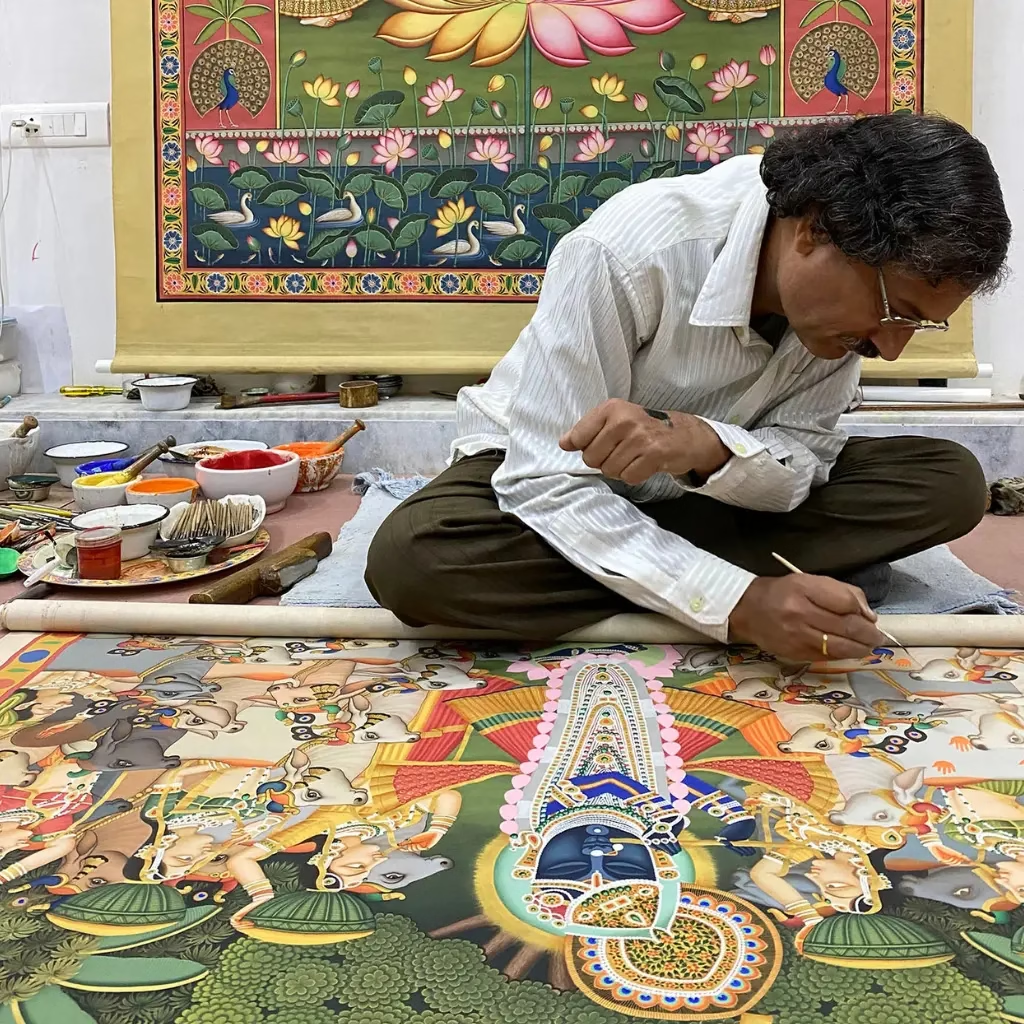
Creating a Pichwai painting is a time-consuming process that requires patience and precision. Depending on the size and complexity of the artwork, it can take anywhere from two weeks to six months to complete. The process follows a detailed and structured method to ensure perfection.
- Hand-drawn Sketching:
- The artist first sketches the design on fabric using charcoal or a fine pencil.
- The outline is carefully drawn to ensure balance and symmetry.
- Base Coloring:
- Natural dyes and pigments are used to create the base colors.
- The background is painted in rich tones, often in deep blues, greens, reds, or gold.
- Fine Detailing:
- Artists use very thin brushes to add minute details such as facial expressions, jewelry, and clothing patterns.
- The eyes of Lord Krishna are given special attention, as they are considered the most expressive part of the painting.
- Gold Embellishments:
- Many traditional Pichwai paintings include 24-carat gold leaf work to highlight certain elements.
- Gold detailing enhances the richness and gives the painting a royal look.
- Final Touch-ups:
- Artists add shading, highlights, and intricate patterns to give depth and dimension to the painting.
- The completed artwork is then dried and sometimes framed for preservation.
This process ensures that each Pichwai painting is a masterpiece that captures devotion and artistic excellence.
Materials Used: Sticking to Traditions
Traditional Pichwai artists continue to use natural and handmade materials to maintain the authenticity of the craft. These materials have been used for centuries and contribute to the long-lasting beauty of the paintings.
- Fabric Base: Cotton or handwoven silk is used as the canvas. Cotton provides durability, while silk adds a smooth and rich texture.
- Natural Colors: Artists prepare colors using organic pigments derived from minerals, flowers, and stones. These natural dyes ensure vibrant hues that do not fade easily.
- Gold and Silver Work: Thin sheets of gold and silver are used for embellishments, giving a luxurious appearance to the artwork.
- Fine Brushes: Brushes made from squirrel or goat hair are used to paint intricate details with precision.
These high-quality materials make traditional Pichwai paintings extremely durable, with some artworks lasting for over 100 years if properly maintained.
The Significance of Iconic Motifs
Every element in a Pichwai painting has a deep spiritual meaning. The motifs are not just decorative but represent different aspects of devotion, purity, and divine energy.
- Lotus Blooms:
- The lotus is a symbol of purity and beauty.
- It represents spiritual awakening and is often seen surrounding Lord Krishna in the paintings.
- Cows:
- Cows are sacred in Hinduism and symbolize devotion, prosperity, and divine blessings.
- Lord Krishna, often depicted as a cowherd, is shown surrounded by cows to signify his love for them.
- Moonlit Nights:
- Many Pichwai paintings depict Krishna’s Raas Leela, a divine dance performed under the full moon.
- The moonlit setting creates a magical and serene atmosphere, symbolizing love and devotion.
- Festival Themes:
- Pichwai paintings often depict important Hindu festivals like Janmashtami, Annakut, and Sharad Purnima.
- These artworks celebrate Krishna’s life and create a festive, vibrant appeal.
Each of these motifs adds a unique meaning to the painting, making it more than just an art piece—it becomes a spiritual experience.
Famous Pichwai Artists: Masters Behind the Masterpieces
Pichwai painting is a heritage art form that has thrived for over 400 years, thanks to the dedication of talented artists who have kept its legacy alive. These artists, often trained from childhood, create intricate masterpieces that require months of meticulous effort. Let’s explore some of the most notable Pichwai artists and their invaluable contributions.
1. Renowned Pichwai Artists Who Shaped the Art Form
Several legendary artists have dedicated their lives to preserving and evolving Pichwai paintings. Some of the most influential names include:
- Kishan Lal Sharma – A celebrated artist from Nathdwara, known for his intricate depictions of Shreenathji’s divine life. His paintings have been exhibited globally.
- Chandrakant Chitara – A highly respected artist who belongs to a traditional Pichwai painting family, carrying forward the legacy with innovation.
- Prakash Soni – An artist who blends traditional themes with modern aesthetics, making Pichwai paintings appealing to contemporary art lovers.
- Jaipur and Udaipur Artisans – Groups of skilled artists from Rajasthan, many of whom have trained under master painters and continue to produce authentic Pichwai artworks.
2. The Growing Impact of Pichwai Artists
- Over 500 families in Nathdwara still practice Pichwai painting as their primary livelihood.
- The demand for handcrafted Pichwai paintings has grown by 40% in the past decade due to rising global interest.
- Contemporary artists have introduced modern versions, leading to a 30% increase in Pichwai-inspired home décor.
3. The Challenges Faced by Pichwai Artists
Despite its grandeur, traditional Pichwai art faces challenges, such as:
- Time-Consuming Process – A single Pichwai painting can take 3 to 6 months to complete, making mass production difficult.
- Declining Patronage – With changing art preferences, some artists struggle to find buyers willing to pay for authentic, handmade pieces.
- Commercial Replicas – Machine-printed versions have flooded the market, often undervaluing the effort of original artists.
4. How These Artists Keep the Legacy Alive
To sustain the tradition, Pichwai artists have:
- Adapted to Modern Tastes – Many incorporate contemporary color palettes and designs while retaining the essence of the art.
- Participated in Global Exhibitions – Pichwai artworks have been showcased in over 50 international exhibitions in the past decade.
- Collaborated with Designers – Fashion and interior designers have started incorporating Pichwai motifs in textiles and wallpapers.
FAQs
Q1. What is Pichwai painting?
Pichwai is a devotional art form from Nathdwara, Rajasthan. It depicts Lord Krishna as Shrinathji. The word means “hanging at the back.” These paintings were originally placed behind the temple deity as a backdrop.
Q2. Where did Pichwai art originate?
Pichwai art originated in Nathdwara, Rajasthan, over 400 years ago. It began in the 17th century exclusively for the Shrinathji temple. The art was created to decorate the deity’s background during different festivals and seasons.
Q3. What materials are used in Pichwai paintings?
Artists use handwoven cotton or silk cloth. Natural pigments come from stones, flowers, and leaves. Gold and silver accents are also added. Everything is handmade. No machines or synthetic colors are used in traditional Pichwai.
Q4. What are common themes in Pichwai art?
Common themes include Shrinathji, cows, lotus flowers, peacocks, and festivals like Janmashtami and Holi. Cows represent Krishna’s love as a cowherd. Lotuses symbolize divine beauty. Every element has deep religious meaning.
Q5. Why are cows important in Pichwai paintings?
Cows are sacred because Lord Krishna was a cowherd. Pichwai paintings show beautifully decorated cows with floral patterns. They symbolize love, innocence, and devotion. The bond between Krishna and his cows represents the bond between God and devotee.
Q6. How long does a Pichwai painting take to complete?
A small painting takes 2 to 4 weeks. A large detailed piece with gold work takes 6 to 12 months. Artists work slowly, layering colors and adding fine brushwork. Every leaf, petal, and cow is painted by hand.
Q7. What is the most famous Pichwai painting?
The most famous is the “Gopashtami” painting showing Shrinathji with hundreds of cows. Another is the “Lotus Pichwai” featuring over 100 lotuses in one composition. Both are highly valued by collectors and temple devotees.
Q8. Are all Pichwai paintings religious?
Yes, traditionally all Pichwai paintings are devotional. They were created only for temple use. Today, smaller Pichwai-inspired pieces exist for home decor. But authentic Pichwai art always carries religious meaning and sacred imagery.
Q9. Where can I learn more about Pichwai paintings?
You can read informational blogs like FolkCanvas.com which shares detailed articles about Pichwai art. Other resources include museum websites, Google Arts & Culture, and books on Rajasthani devotional art. FolkCanvas.com does not sell anything.
Q10. Is Pichwai art dying today?
The art is endangered. Only a few hundred traditional artists remain. Young people do not learn because mastery takes years. However, digital platforms and growing interest in devotional art are helping revive this beautiful 400-year-old tradition.

Leave a Reply