

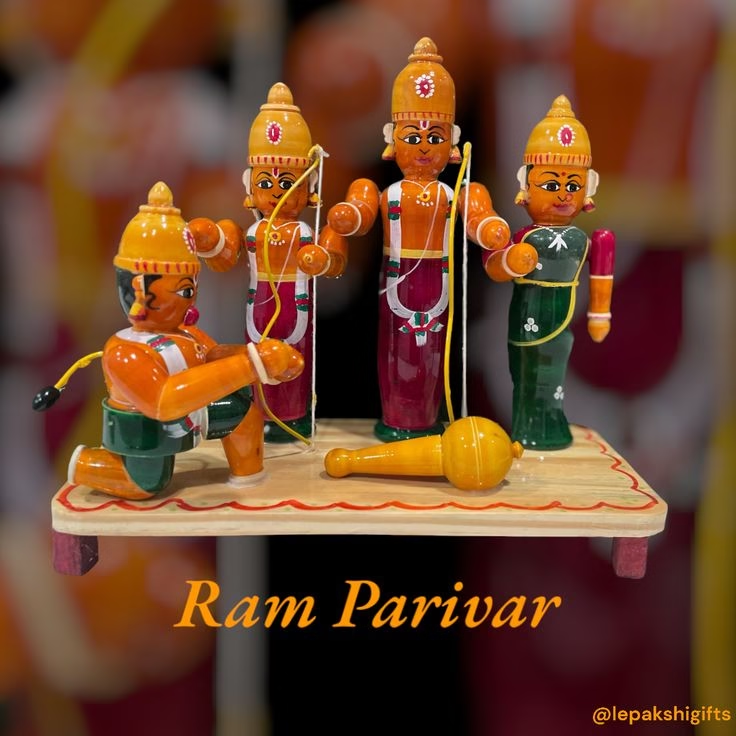
Hello folks! Have you ever seen a toy made without plastic or chemical paints? That is exactly what makes Etikoppaka Toys so special.
What makes them even more fascinating? The smooth, shiny finish. It comes from a traditional wood-turning technique. This skill has been passed down through generations.
In 2017, Etikoppaka Toys received a GI tag. That means they are officially recognized as a unique cultural craft of India.
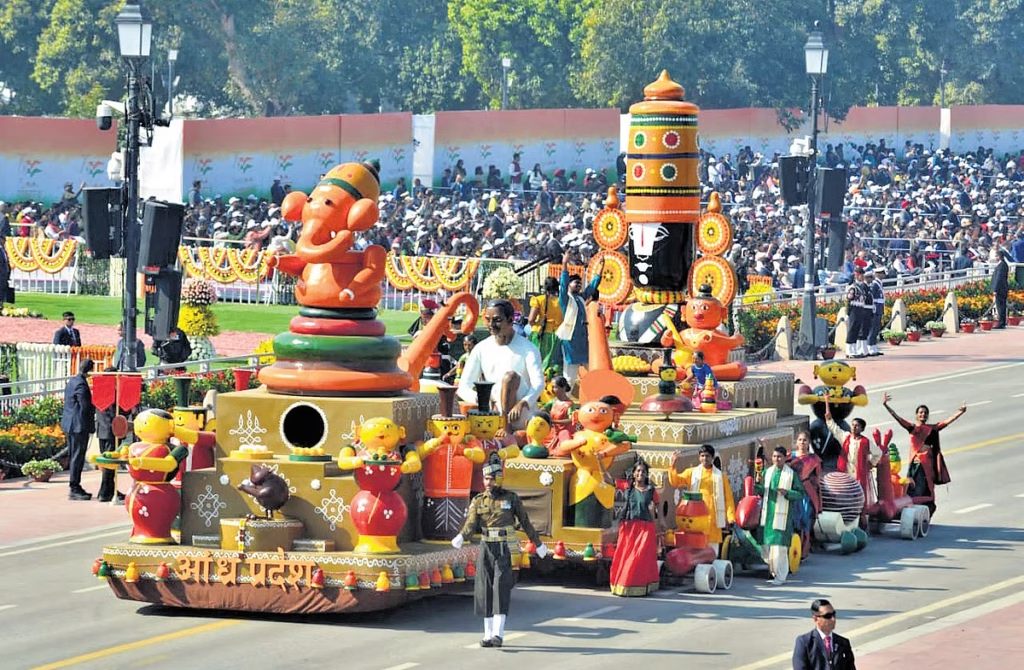
You will find spinning tops, animal figures, and mythological characters. Each toy tells a story. They are not just playthings. They are sustainable art. They represent traditional knowledge and India’s rich craft heritage.
Let us explore their colorful world together.
What Makes These Toys So Special?
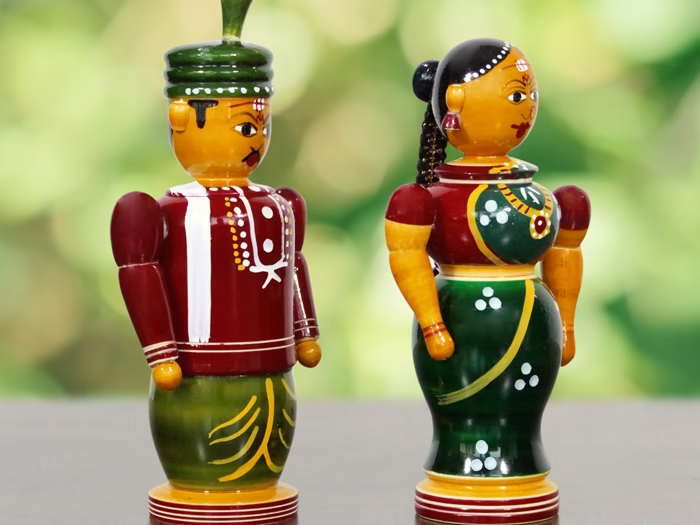
At first, Etikoppaka toys look simple. But there is more to them than meets the eye.
These are handmade wooden toys crafted from Ankudu wood. They are finished using a traditional lacquer technique. The colors come from natural dyes made from seeds, roots, bark, leaves, and minerals. No chemical paints or synthetic coatings are used.
People love them for many reasons. Each toy is made by hand, so no two are exactly alike. The colors come from nature, making them safer for children. The lacquer finish gives them a smooth, shiny look. Designs include animals, birds, dolls, rattles, and mythological figures.
The production process is fascinating. The wooden piece spins on a hand-operated lathe. Artisans press natural color sticks against it. The friction creates heat. This spreads the color evenly and gives the toy its glossy finish.
That is what makes Etikoppaka toys so special. They are not just toys. They are a beautiful blend of art, tradition, and sustainability. This craft has survived for over 400 years.
History of Etikoppaka Toys
The craft began over 400 years ago in the small village of Etikoppaka in Andhra Pradesh.
16th Century: Local artisans started making wooden toys for children. They used soft Ankudu wood and natural dyes.
17th-18th Century: The craft grew within the community. Skills were passed from father to son. Designs became more detailed.
Early 1900s: The British discovered these toys. They appreciated the craftsmanship. Demand increased beyond the local region.
1970s: The government recognized the craft’s value. They provided support to artisans.
2000s: The toys gained international attention. Tourists and collectors started buying them.
2017: Etikoppaka toys received the prestigious Geographical Indication (GI) tag. This officially recognized their unique origin and traditional methods.
2020s: The craft is still alive. But only about 50 families continue the tradition today. Artisans struggle with cheaper plastic alternatives. They still create beautiful pieces by hand. But they need more support to keep this art alive for future generations.
Types of Etikoppaka Toys
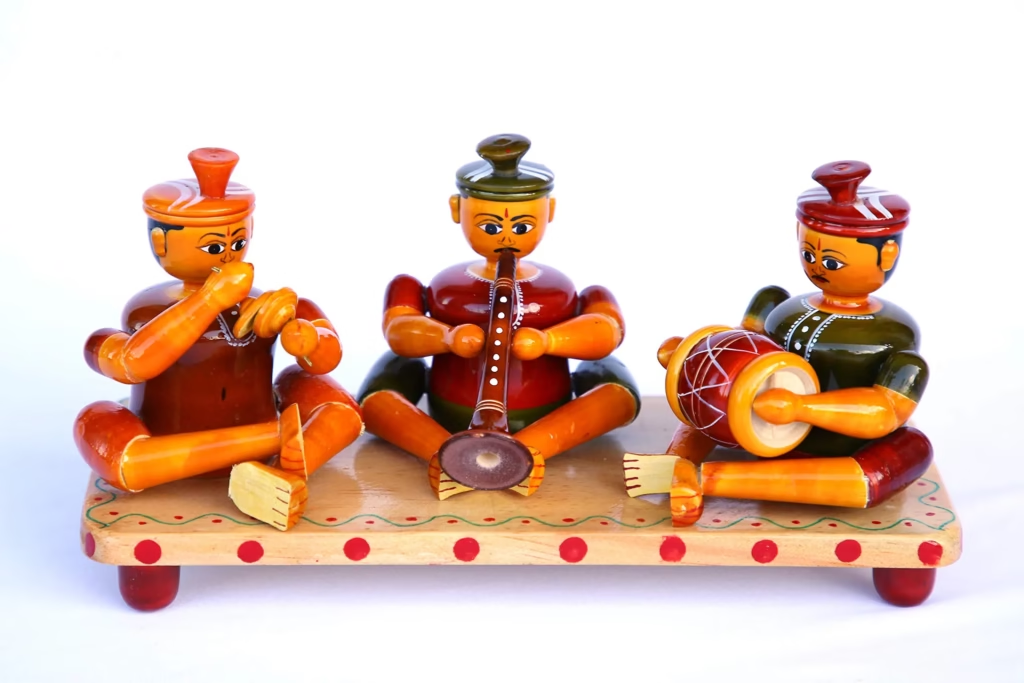
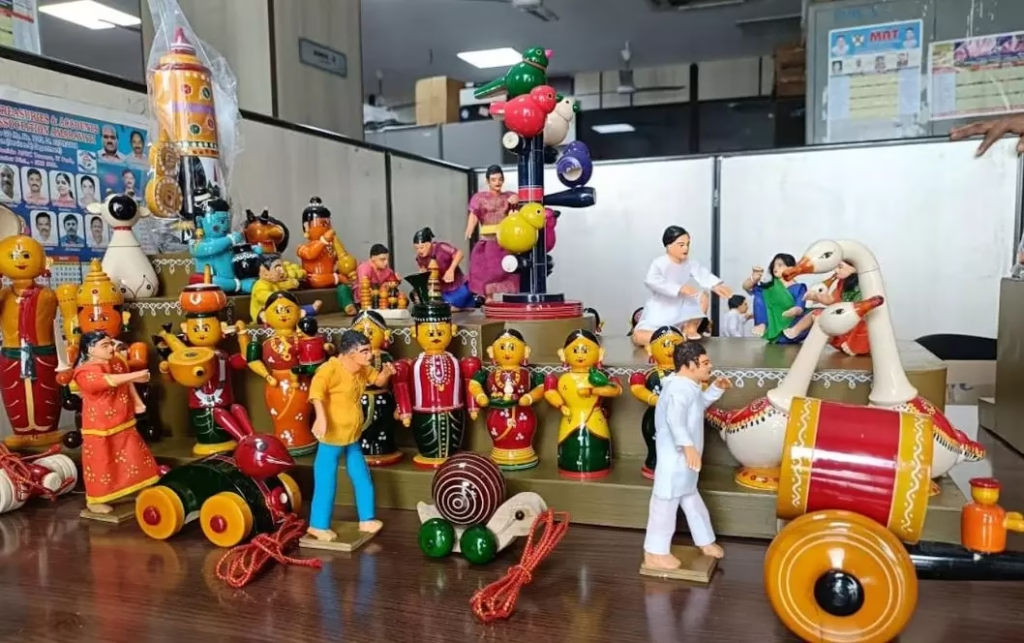
So, what kind of toys do they actually make? Quite a lot, honestly. Here are the main ones.
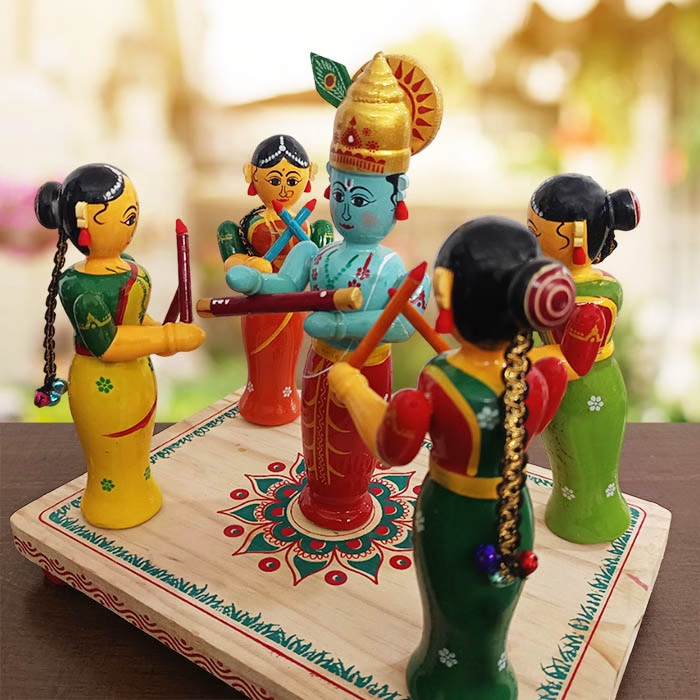
- Traditional Figures: These include dolls, gods, and goddesses. You will also find characters from mythology. They are beautiful and full of cultural meaning.
- Animals and Birds: Elephants, parrots, peacocks, and more. These are very popular. Kids love them. They also make great decorative pieces for your home.
- Spinning Tops: This is a classic. Etikoppaka tops are famous. They are smooth, colorful, and spin beautifully.
- Functional Items: They do not just make toys. You can also find bangles, kitchen tools like rolling pins, and even small containers. These are both useful and beautiful.
- Educational Toys: Puzzles, alphabet blocks, and counting beads. These are perfect for little ones. They make learning fun and safe.
- Seasonal and Festival Items: Special pieces for Diwali, Ugadi, and other festivals. They are often made in bright, festive colors.
Each type has its own charm. But they all share the same natural colors and lacquer finish. That is what makes them truly special.
Process of Making Etikoppaka Toys
Making Etikoppaka toys is not a factory process. It is an art form passed down through generations. Let me walk you through how these beautiful wooden toys come to life.
The Materials
First, the wood. Artisans use Ankudu wood. It is soft, lightweight, and perfect for carving. You can easily shape it into any form. The wood comes from a tree that grows locally in the region.
Next, the colors. This is where the magic really happens. The dyes come straight from nature. Nothing synthetic is used.
– Red comes from the roots of the madder plant.
– Yellow is made from turmeric or the bark of the jackfruit tree.
– Black comes from the myrobalan fruit mixed with iron.
– Green is extracted from the leaves of certain trees.
– Brown and other shades are created by blending different natural ingredients.
No chemicals. No toxins. Just pure, natural ingredients that are safe for everyone.
Then there is the lac. It is a natural resin secreted by insects. It gives the toys their signature shine. The lacquer protects the wood and makes the colors pop. It also gives the toys that smooth, glossy feel.
The Steps of Making Etikoppaka Toys
The process is simple to describe but takes years of practice to master. Every step is done by hand.
Step 1: Preparing the Wood
The wood is first cut into small blocks. Each block is roughly shaped into the desired form using basic tools. The artisan carefully selects the best pieces of wood without any cracks or flaws.
Step 2: The Lathe Work
The wooden piece is fixed onto a hand-operated lathe. This is a simple machine that spins the wood. The artisan spins it by hand using a bow or a stick. This is where the real craft begins. The artisan shapes the wood while it spins, creating smooth curves and fine details.
Step 3: The Colour Application
Here is the clever part. The artisan presses sticks of natural color against the spinning wood. The friction generates heat. This heat melts the color into the wood. The color penetrates the surface deeply. No glue is needed. No varnish is applied. The color becomes one with the wood.
Step 4: The Lac Finish
Next comes the lac. The artisan holds a stick of lac against the spinning surface. The heat melts it. The lack spreads evenly across the toy. It creates a smooth, glossy finish. It seals the color and protects the wood from moisture and wear.
Step 5: Final Detailing
The artisan adds fine details. Eyes are carved. Patterns are etched. Textures are added. Each piece is finished by hand with precision and care.
Step 6: Drying and Polishing
The toy is left to dry. Once dry, it is gently polished with a soft cloth. This brings out the natural shine of the lac.
And that is it. A simple yet intricate process that creates something truly special. No machines. No automation. Just skilled hands and generations of knowledge passed down from parent to child.
Market Value and Where to Buy Authentic Etikoppaka Toys
So, you are curious about Etikoppaka toys. Maybe you want to buy one. Or perhaps you are wondering if they are worth the money. Let us break it down in plain terms.
What Is the Market Value?
Prices vary a lot depending on what you are looking for. A small cup-and-ball toy can start around ₹90. A simple stacking toy might cost you about ₹199. A detailed lacquerware doll goes for around ₹399. More intricate pieces, like a churning woman figurine, can be priced at ₹750.
The price depends on three things:
- Size and complexity of the design
- Time and skill required to make it
- Rarity of the piece
| Item Type | Approximate Price ( ₹) |
| Cup and Ball Toy | 90 |
| Stacking Toy | 199 |
| Lacquerware Doll | 399 |
| Churning Woman Toy | 750 |
The good news is that you can find a beautiful, handcrafted piece of history at almost any price point. A major part of their value comes from their eco-friendly nature.
They are made from Ankudu wood and colored with natural dyes from seeds, roots, and leaves, making them totally chemical-free and safe.
Where Can You Buy Authentic Etikoppaka Toys?
Finding the real deal is important. Here are some trusted places to start your search.
Government Emporiums: Shops like Lepakshi in Andhra Pradesh are a safe bet. They source directly from artisans, so you know it is genuine.
Online Platforms: Several websites specialize in authentic Indian handicrafts. You can explore:
Direct from the Village: If you ever find yourself in Andhra Pradesh, visit Etikoppaka village itself. It is about 65 km from Visakhapatnam. More than 200 artisan families live there. You can see them at work, buy directly, and ensure they get a fair price without any middlemen.
Artisans like C. V. Raju, who helped revive this 500-year-old craft, have been exporting these toys since 1992.
A Few Quick Tips
- Look for the GI Tag: Etikoppaka toys were given a Geographical Indication (GI) tag in 2017. This is your best guarantee of authenticity.
- Check the Colors: Real Etikoppaka toys use soft, natural shades from turmeric, indigo, and other plants. Avoid anything that looks overly bright and plasticky.
- Ask Questions: Whether buying online or in person, do not hesitate to ask the seller about the wood and the dyes used.
These toys are so much more than souvenirs. They are a piece of living heritage. When you buy one, you are not just getting a beautiful object. You are supporting a craft that has survived for over 400 years and the families who keep it alive.
FAQs
Q1. What are Etikoppaka toys?
Etikoppaka toys are handmade wooden toys from Andhra Pradesh. They are made from Ankudu wood and finished with natural dyes and lacquer. No chemicals are used. Each piece is crafted by skilled artisans using a traditional lathe technique.
Q2. Why are they called Etikoppaka toys?
They are named after the village where they are made. Etikoppaka is a small village in the Visakhapatnam district, Andhra Pradesh. Over 200 artisan families live there and practice this craft.
Q3. What is the history behind these toys?
The craft is over 400 years old. It was traditionally passed down through generations. Artisans like C. V. Raju helped revive it in modern times. The toys were given a GI tag in 2017 to protect their heritage.
Q4. Which wood is used to make these toys?
Artisans use Ankudu wood. It is a soft, light wood that is easy to carve. The trees grow locally in the region. The wood is sustainable and eco-friendly.
Q5. Are the colors natural?
Yes, absolutely. The dyes come from seeds, roots, bark, leaves, and minerals. Turmeric gives yellow. Indigo gives blue. No chemical paints or synthetic colors are ever used.
Q6. Are Etikoppaka toys safe for children?
Yes, they are completely safe. They are made from natural wood and colored with plant-based dyes. The lacquer finish is also natural. There are no toxic chemicals, so even babies can play with them.
Q7. What is the lacquer technique?
It is a traditional finishing method. The wooden piece spins on a hand-operated lathe. Artisans press natural color sticks against it. The friction melts the color and spreads it evenly, giving a glossy finish.
Q8. What types of designs are available?
You can find animals, birds, spinning tops, dolls, rattles, and mythological figures. Some designs are inspired by the Harappan civilization. Each piece tells a story.
Q9. How much do these toys cost?
Prices range from ₹90 for small items to ₹10,000 for larger decorative pieces. A simple cup-and-ball toy costs around ₹90. A detailed figurine can cost ₹750 or more.
Q10. Where can I buy authentic Etikoppaka toys?
You can buy them at Lepakshi emporiums, craft melas, and online platforms like Gaatha, iTokri, and Craftswomen. You can also visit Etikoppaka village and buy directly from artisans.
Q11. How do I identify authentic pieces?
Look for the GI tag. Check the colors. Real ones use soft, natural shades. Avoid overly bright or plastic-looking colors. Ask about the wood and dyes used.
Q12. What is a GI tag?
GI stands for Geographical Indication. It is a label that protects traditional products. Etikoppaka toys received this tag in 2017. It guarantees they are made in the region using authentic methods.
Q13. Are these toys eco-friendly?
Yes, they are completely eco-friendly. The wood is sustainable. The dyes are natural. The lacquer is a plant-based resin. Nothing harms the environment.
Q14. Can these toys be exported?
Yes, artisans like C. V. Raju have been exporting since 1992. These toys are sold in countries like the USA, UK, Japan, and Germany. They are appreciated worldwide.
Q15. What is the market value of these toys?
The market is growing. A small toy can cost ₹90. A large decorative set can cost ₹10,000. The value depends on size, complexity, and rarity. Collector pieces may cost more.
Q16. Are these toys only for children?
Not at all. Adults love them too. Many buy them as home decor, gifts, or collectibles. The intricate designs and natural beauty appeal to people of all ages.
Q17. What is the production process?
It starts with carving the wood. Then the piece is spun on a lathe. Artisans apply natural colors using friction. The lacquer gives it a smooth, shiny finish. Everything is done by hand.
Q18. How long does it take to make one toy?
It depends on the design. A simple spinning top may take a few hours. A detailed figurine can take several days. Each piece requires patience and skill.
Q19. What is the significance of these toys?
They represent India’s rich cultural heritage. They are a symbol of sustainable craftsmanship. Each toy reflects the skill and traditions of Etikoppaka’s artisan community.
Q20. Can I visit Etikoppaka village?
Yes, absolutely. The village is about 65 km from Visakhapatnam. You can meet the artisans. Watch them work. Buy directly from them. It is a memorable experience.
Also Read:

Leave a Reply