

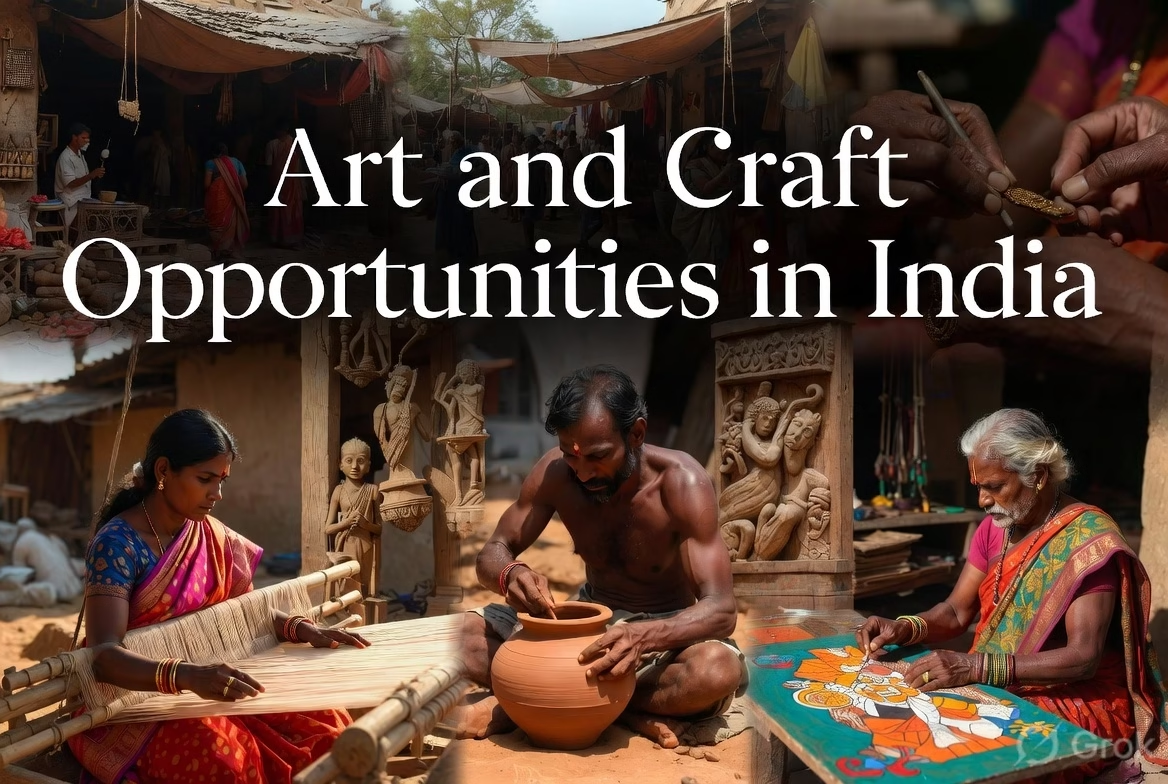
Hello folks! When you hear the words Art and Craft, what comes to mind? Maybe your grandmother’s embroidered pillows or those colorful clay pots from a village fair?
Well, here’s the thing – Art and Craft in India isn’t just about hobbies anymore. It’s a booming industry, a massive employment generator, and one of the most exciting spaces to watch right now.
From traditional crafts getting a modern makeover to arts and crafts for kids becoming a multi-crore business, the future is packed with possibilities. Let’s dive into what’s coming and why this matters for everyone.
The Current State of Art and Craft in India
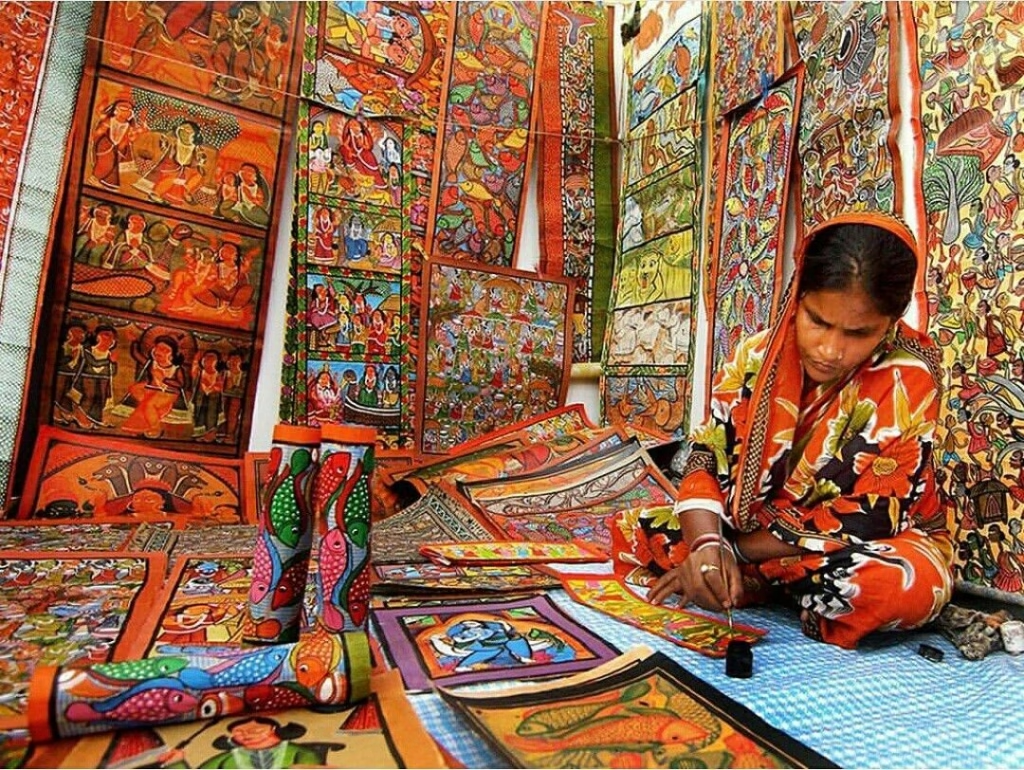
Before we look ahead, let’s understand where we stand today. India has always been a treasure trove of Art and Craft. We’re talking about thousands of years of tradition, millions of skilled artisans, and products that are admired worldwide.
But here’s the honest truth – for decades, this sector was neglected. Artisans were underpaid, traditional skills were dying, and nobody was really paying attention.
The numbers tell a story:
- Over 7 million artisans in India depend on Art and Craft for their livelihood
- The handicrafts sector contributes over ₹20,000 crores to the economy annually
- Exports of Indian Art and Craft products have grown by 15-20% year on year
- The global market for handmade products is expected to reach $1 trillion by 2030
But here’s the challenge:
- Most artisans are in rural areas with limited market access
- Traditional skills are not being passed down to younger generations
- Cheap machine-made products are flooding the market
- Many crafts are at risk of extinction
The silver lining:
Things are changing. Fast. Technology, e-commerce, social media, and changing consumer preferences are creating a perfect storm of opportunities for Art and Craft. And yes, that includes arts and crafts for kids, which is becoming a massive market of its own.
Why the Future of Art and Craft Is Bright in India
The Digital Revolution is Changing Everything
One of the biggest game-changers for Art and Craft is the internet. Platforms like Etsy, Amazon Handmade, and Instagram have opened up global markets for Indian artisans.
A potter in a small village can now sell to a customer in New York. A weaver in Tamil Nadu can ship to London. The middleman is disappearing, and artisans are keeping more of the profits.
What’s making this possible:
- Affordable smartphones and internet access
- Easy-to-use e-commerce platforms
- Digital payment systems (UPI, PayPal, etc.)
- Social media for storytelling and marketing
- Logistics and shipping networks reaching even remote areas
Changing Consumer Preferences
Here’s something interesting – people are tired of mass-produced, soulless products. There’s a growing movement toward sustainability, authenticity, and handmade goods. Consumers want to know the story behind their purchases. They want something unique, something with soul. And that’s exactly what Art and Craft offers.
What modern consumers want:
- Products with a story
- Eco-friendly and sustainable materials
- One-of-a-kind items
- Support for local communities
- Authenticity over perfection
Government Support and Initiatives
The government is finally paying attention to Art and Craft. Schemes like the GI tag, the Handicrafts Export Promotion Council, and various state-level initiatives are providing much-needed support.
Key government initiatives:
- GI tag protection for traditional crafts
- Financial support for artisans
- Training programs to modernize skills
- Exhibition and trade fair opportunities
- Export incentives and subsidies
Opportunities in Traditional Art and Craft
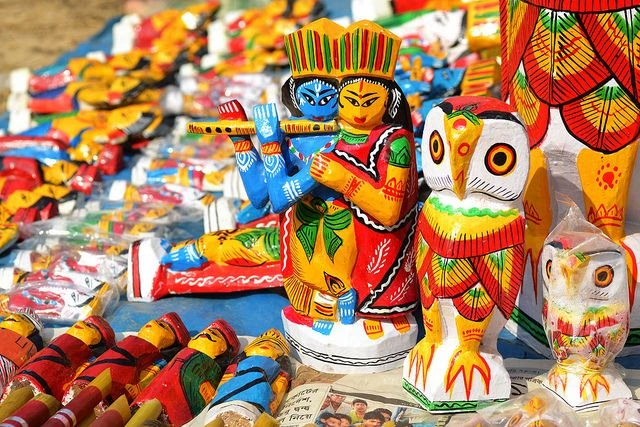
Let’s talk about the exciting opportunities that are emerging in the traditional Art and Craft space.
Opportunity 1: Fusion Crafts – Old Meets New
This is perhaps the most exciting trend. Traditional techniques are being applied to modern products. Think block-printed laptop bags, handwoven denim jackets, or embroidered sneakers. The result is something that appeals to both traditionalists and modern consumers.
Examples of fusion crafts:
- Madhubani art on phone cases
- Kalamkari patterns on home furnishings
- Handwoven fabrics for western clothing
- Traditional embroidery on modern accessories
Opportunity 2: Sustainable and Eco-Friendly Products
Sustainability is the buzzword of the decade, and Art and Craft are at the heart of it. Natural dyes, recycled materials, and zero-waste production methods are in high demand.
What’s working:
- Bamboo and cane products
- Cotton and jute bags
- Natural dye-based textiles
- Recycled paper crafts
- Upcycled home decor
Opportunity 3: Customized and Personalized Products
People love stuff that’s made just for them. And who better to create personalized items than Art and Craft artisans?
Popular personalized items:
- Custom wedding invitations
- Personalized home decor
- Name-engraved jewelry
- Custom portrait paintings
- Bespoke wedding accessories
Opportunity 4: Export Potential
Indian Art and Craft products are highly valued in international markets. The “Made in India” tag carries a lot of weight when it comes to handmade goods.
High-demand export categories:
- Textiles and handwoven fabrics
- Jewelry and accessories
- Home decor and furnishings
- Leather and wood products
- Spiritual and wellness items
The Booming World of Arts and Crafts for Kids
Now let’s talk about something that’s growing at an incredible pace—arts and crafts for kids. This isn’t just about keeping children busy anymore. It’s about education, skill development, emotional expression, and even career preparation.
Why Arts and Crafts for Kids Is Exploding
The numbers don’t lie:
- The global children’s craft market is worth over $2 billion
- Parents spend an average of ₹5,000-10,000 per year on arts and crafts for kids
- Craft kits have become one of the fastest-growing product categories
- Online craft classes for kids have seen a 300% increase in enrollment
What’s driving this growth:
- Parents want to reduce screen time
- Schools are emphasizing creativity and skill development
- DIY culture is growing among young families
- Crafting is seen as a way to build confidence and motor skills
- Gift-giving for kids often includes craft-based items
Types of Arts and Crafts for Kids That Are Booming
Activity Kits:
The ready-to-use craft kits are selling like hotcakes. Everything from painting sets to DIY jewelry making, clay modeling, and paper craft kits are in huge demand.
What parents love about these is that everything comes in one box – no trips to the store, no hunting for supplies. It’s just grab and go.
STEM-Based Crafts:
STEM (Science, Technology, Engineering, Math) is a huge trend in education, and craft companies are cashing in. Think about building kits, robotics craft sets, science experiment kits, and engineering toy sets that teach kids while they have fun. Parents are willing to pay premium prices for anything that combines fun with learning.
Eco-Friendly Crafts:
Parents are becoming more conscious about what their kids are playing with. Sustainable and non-toxic craft materials are becoming the norm. Natural clay, non-toxic paints, recycled paper, and organic fabric dyes are now preferred over synthetic, chemical-laden alternatives. Safety is the number one priority.
Digital Crafting:
Technology is merging with arts and crafts for kids in fascinating ways. Digital art tablets, apps that teach drawing and painting, AR-enabled craft kits, and online guided craft sessions are opening up new possibilities for tech-savvy kids and parents who want to limit physical mess.
Why Every Parent Should Encourage Arts and Crafts for Kids
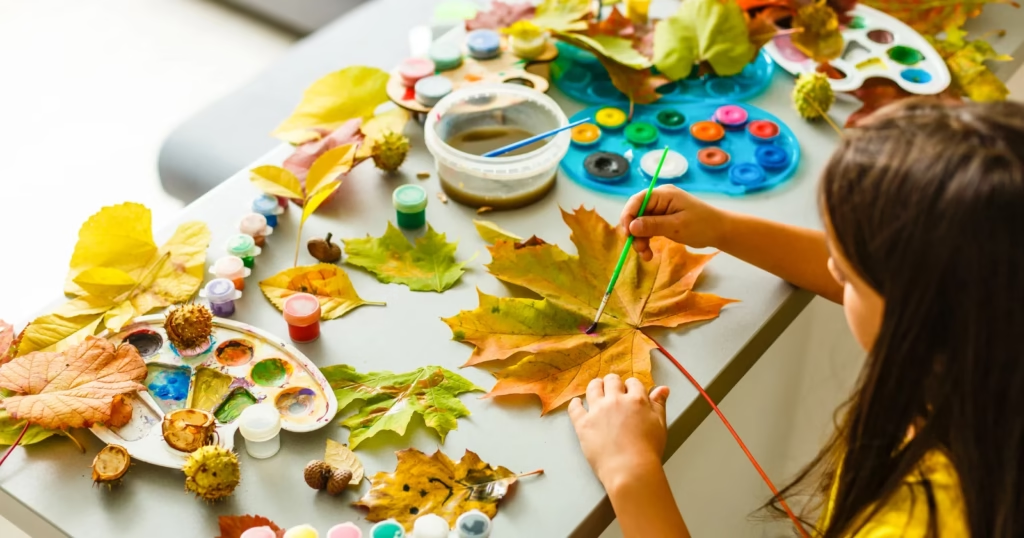
Benefits of arts and crafts for kids:
Cognitive development:
Crafting helps kids develop problem-solving skills, critical thinking, and spatial awareness. When a child figures out how to assemble a craft project, they’re learning logic and planning. When they experiment with colors, they’re learning about cause and effect. It’s basically brain training disguised as fun.
Motor skills:
Cutting, pasting, drawing, and molding all help build fine motor skills. This is crucial for kids who are learning to write, tie their shoes, or just control their movements. The more they practice with their hands, the more control they develop.
Emotional expression:
Art is therapy for everyone, including kids. Crafting gives children a safe way to express their feelings, whether they’re happy, sad, frustrated, or excited. It’s a language that doesn’t require words. Many therapists actually use arts and crafts for kids as a form of emotional healing and expression.
Confidence building:
There’s nothing quite like the feeling of creating something with your own hands. When a child finishes a craft project, they feel proud, accomplished, and more capable. This boosts their confidence across all areas of life.
Entrepreneurship:
This might sound surprising, but many kids today are turning their craft hobbies into small businesses. From selling friendship bracelets to creating custom greeting cards, young entrepreneurs are using arts and crafts for kids to make pocket money and learn valuable business skills early.
Career Opportunities in Art and Craft
Let’s get real – Art and Craft isn’t just a hobby anymore. It’s a legitimate career path with serious money-making potential.
Traditional Roles That Are Still Thriving
Artisans and Craftspeople:
The backbone of the industry. Weavers, potters, woodcarvers, painters, and embroiderers are still in demand. The difference is that they’re now more visible and accessible to customers than ever before.
Designers:
Product designers, textile designers, jewelry designers, and craft educators are all carving out successful careers in the Art and Craft space.
Curators and Gallerists:
Museums, galleries, and cultural institutions need people who can curate, display, and talk about traditional and contemporary craft.
New-Age Roles That Are Emerging
E-commerce Entrepreneurs:
Selling handmade products online is a booming business. Many artisans and craft enthusiasts are setting up their own websites or selling on platforms like Etsy and Amazon.
Craft Educators:
Running workshops, creating online courses, or teaching craft classes is in huge demand. Both adults and kids want to learn new skills.
Content Creators:
YouTube tutorials, Instagram reels, and TikTok videos on Art and Craft are incredibly popular. Influencers in this space can make a full-time income from sponsorships, ads, and product sales.
Packaging and Branding Experts:
Handmade products need beautiful packaging. Designers who specialize in craft-friendly packaging are in high demand.
Sustainability Consultants:
Brands and artisans need help making their practices more sustainable. This is a growing field with plenty of opportunities.
Export Specialists:
With the growing global demand for Indian crafts, experts in export, logistics, and international marketing are needed.
The Role of Technology in Art and Craft
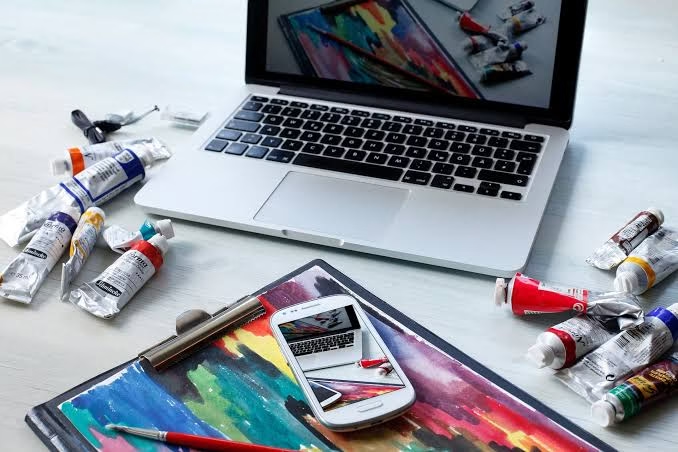
Technology is reshaping Art and Craft in ways we couldn’t have imagined a decade ago.
E-Commerce Platforms
- Etsy and Amazon Handmade: Global reach with minimal setup
- Indian platforms: Meesho, Craftsvilla, and Flipkart are all pushing handmade products
- Social media commerce: Instagram and WhatsApp are huge channels for direct selling
Digital Tools for Artisans
- Design software: Tools like Canva and Adobe Illustrator are helping artisans create digital designs
- 3D printing: Opening up new possibilities in jewelry and product design
- AI and AR: Helping customers visualize products before buying
Online Learning and Workshops
- Skill development: Platforms like Skillshare and Udemy are offering craft courses
- Live workshops: Zoom and Google Meet are connecting artisans with learners worldwide
- Kids’ classes: Arts and crafts for kids classes are happening entirely online
Challenges – And How to Overcome Them
Let’s be honest – the future isn’t without its challenges. But with the right approach, these obstacles can be turned into opportunities.
Challenge 1: Loss of Traditional Skills
Younger generations are moving away from traditional crafts. They see it as old-fashioned and unprofitable.
How to fix it:
- Integrate craft education into school curriculums
- Show young people the modern career opportunities
- Make crafts cool through social media
- Create mentorship programs pairing young learners with master artisans
Challenge 2: Access to Markets
Rural artisans often struggle to reach customers. They rely on middlemen who take a big cut.
How to fix it:
- More e-commerce platforms dedicated to craft
- Direct-to-consumer models
- Government-supported marketplaces
- Rural digital literacy programs
Challenge 3: Quality and Standardization
Consistency is a challenge when everything is handmade. Customers want quality but artisans can’t always guarantee it.
How to fix it:
- Training programs on quality control
- Certification systems (like GI tag)
- Peer review and community standards
- Customer feedback mechanisms
Challenge 4: Pricing and Income
Artisans struggle to charge fair prices. Customers don’t always understand the labor and skill involved.
How to fix it:
- Storytelling to explain the value
- Fair trade certification
- Government support and subsidies
- Consumer education campaigns
Challenge 5: Competition from Machines
Cheap, mass-produced products are everywhere. It’s hard for handmade goods to compete on price.
How to fix it:
- Focus on uniqueness and quality, not price
- Build a brand and story around products
- Create products that machines can’t replicate
- Emphasize sustainability and ethics
How You Can Get Involved
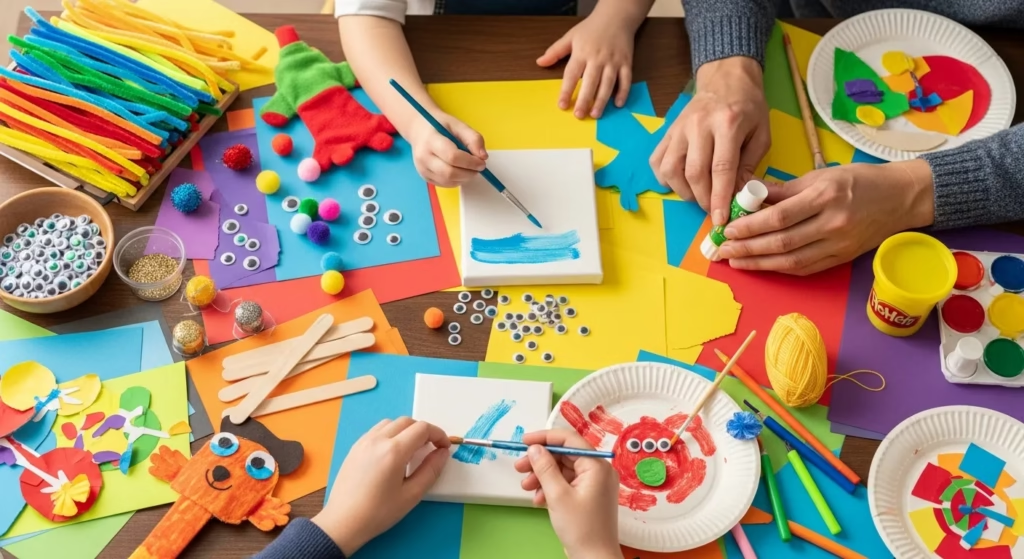
Whether you’re an artisan, a parent, or just someone who loves beautiful things, here’s how you can be part of the future of Art and Craft.
For Artisans
- Go digital – create an online presence
- Learn new skills – combine traditional techniques with modern tools
- Build your brand – tell your story
- Network – connect with other artisans and buyers
- Collaborate – work with designers and other creators
For Parents
- Encourage arts and crafts for kids at home
- Choose craft kits that are educational and safe
- Take kids to craft fairs and exhibitions
- Share craft activities on social media
- Support local artisans by buying their products
For Consumers
- Buy handmade over machine-made
- Pay fair prices for craft products
- Learn about the stories behind the products
- Gift craft products – they make meaningful presents
- Spread the word about Indian Art and Craft
For Educators
- Integrate arts and crafts for kids into the curriculum
- Invite artisans to speak at schools
- Organize field trips to craft centers
- Create craft clubs and competitions
- Use craft as a tool for learning across subjects
For Entrepreneurs
- Identify a niche in the Art and Craft space
- Build an e-commerce platform for craft products
- Create craft kits and educational products
- Offer craft workshops and classes
- Focus on export opportunities
Final Thoughts
The future of Art and Craft in India is incredibly bright. Technology is opening up new markets. Consumers are more conscious than ever. The government is paying attention.
And the arts and crafts for kids segment is creating the next generation of artists, makers, and appreciators.
Every time you buy handmade, you support a family. Every time you encourage a child to create, you build a future. The future is in our hands. Let’s make it beautiful.
Frequently Asked Questions
Q1. What are the best career options in Art and Craft in India?
The best career options include traditional roles like artisan, weaver, and potter. Modern roles include e-commerce entrepreneur, craft educator, content creator, packaging designer, and sustainability consultant.
The sector is growing rapidly, offering diverse opportunities for both creative and business-minded individuals.
Q2. How can I start selling my Art and Craft products online?
Start by creating a portfolio of your work. Then choose a platform like Etsy, Amazon Handmade, Meesho, or Craftsvilla. Set up your shop, take good quality photos, write compelling product descriptions, and price your items fairly. Use social media like Instagram and Facebook to market your products and build a customer base.
Q3. Are arts and crafts for kids good for their development?
Absolutely. Arts and crafts for kids help develop fine motor skills, cognitive abilities, problem-solving skills, and emotional expression. It also builds confidence, reduces screen time, and encourages creativity. Many child development experts recommend daily craft activities for overall growth and learning.
Q4. What are the most profitable Art and Craft products in India?
The most profitable categories include handwoven textiles (sarees, fabrics), jewelry (traditional and contemporary), home decor items (lamps, wall art), eco-friendly products (jute bags, bamboo items), and personalized products (wedding invitations and custom portraits). Fusion crafts combining traditional techniques with modern designs also sell well.
Q5. How can traditional artisans compete with machine-made products?
Artisans should focus on uniqueness, quality, and storytelling. Build a brand that highlights the human touch, the cultural heritage, and the sustainable nature of handmade products.
Offer customization options and emphasize the emotional value of owning something crafted by hand. Educate consumers about the skill and effort involved.
Q6. Is there government support for Art and Craft businesses in India?
Yes, the Indian government offers various schemes, including GI tag protection, financial support through the Handicrafts Export Promotion Council, training programs, exhibition opportunities, and export incentives. Many states also have their own initiatives to support local artisans and craft businesses.
Q7. How can parents encourage arts and crafts for kids at home?
Start with simple, age-appropriate craft kits. Set up a dedicated craft corner at home with basic supplies like paper, colors, glue, and scissors.
Join online craft classes together. Encourage free creativity without worrying about perfection. Display your child’s creations proudly to boost their confidence and motivation.
Q8. What is the future of Art and Craft in India?
The future is very promising. The sector is projected to grow at 12-15% annually, with exports reaching ₹50,000 crores by 2030. Technology, e-commerce, and changing consumer preferences are creating huge opportunities.
Arts and crafts for kids are also expected to become a $5 billion global market. It’s an exciting time to be part of this industry.
Also Read:
Best Ways To Make Money Online with Your Homemade Artwork

Leave a Reply